
No products in the cart.
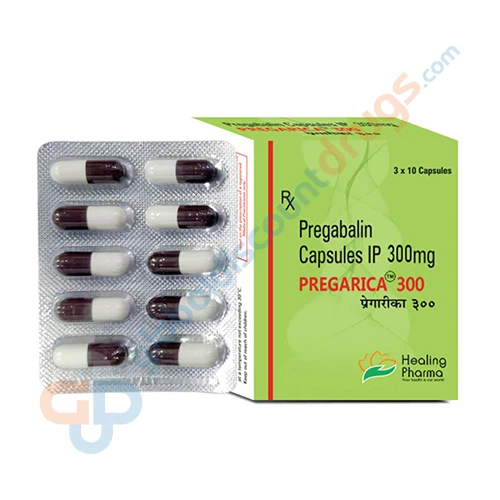
Pregabalin
In StockPregabalin is an anticonvulsant and analgesic agent widely used to treat partial seizures, generalized anxiety disorder (GAD), and various forms of neuropathic pain, including diabetic neuropathy and fibromyalgia. It works by binding to the alpha-2-delta subunit of voltage-gated calcium channels, reducing the release of excitatory neurotransmitters. This mechanism provides effective relief for chronic nerve-related pain and anxiety. Pregabalin is a versatile and foundational drug in pain and psychiatry.
$1.01 per pill
What is Pregabalin?
Pregabalin is a prescription medicine used to treat nerve pain, seizures, and anxiety-related conditions. It helps calm overactive nerves in the body, making it easier to manage chronic pain and improve daily comfort. Doctors prescribe this medication when patients need steady and reliable relief from nerve-related symptoms. It is available in capsule and tablet form, making it simple to take and suitable for long-term treatment when monitored by a healthcare provider.
Pregabalin used for
Pregabalin is commonly prescribed to treat:
-
Neuropathic pain caused by diabetes, shingles, or spine injuries
-
Fibromyalgia
-
Partial-onset seizures in adults
-
Nerve pain due to long-term medical issues
-
Generalized anxiety disorder (in some regions)
This medicine supports nerve stability and helps reduce painful signals sent throughout the body.
Chemical composition
Pregabalin contains the active ingredient pregabalin, which belongs to the class of anticonvulsant and neuropathic pain-relief medicines. It also includes inactive components such as lactose, corn starch, and gelatin depending on the dosage form. These ingredients help maintain stability and support proper absorption.
Pregabalin Mechanism
Pregabalin works by binding to calcium channels in the nervous system. This reduces the release of chemicals that cause pain and hyperactivity in the nerves. By calming these nerve signals, the medicine helps manage pain, decreases seizures, and supports overall nerve function. The mechanism is targeted and allows consistent symptom relief throughout the day.
How it helps relieve nerve-related symptoms
Conditions such as diabetes, shingles, and fibromyalgia can cause severe and long-lasting nerve pain. Pregabalin helps the body recover by:
-
Reducing unusual nerve firing
-
Decreasing sensitivity in affected areas
-
Stabilizing nerve communication
-
Lowering the intensity and frequency of pain
-
Supporting better sleep and daily movement
Many patients begin to feel improvement within the first few weeks of treatment.
What are the other benefits?
-
Helps improve sleep quality
-
Reduces muscle stiffness
-
Supports better mobility
-
Available in multiple strengths for personalized dosing
-
Well-tolerated by most adults
-
Can be combined with other treatments for improved results
Dosages
Available strengths or dosage
Pregabalin is available in several strengths, including:
The dosage your doctor chooses depends on your condition, age, and overall health.
How and when to take it
-
Take the capsule or tablet with or without food.
-
Swallow whole with water.
-
Take it at the same time each day to maintain stable levels.
-
Follow your doctor’s instructions and do not stop suddenly.
-
For nerve pain, it may take a few days to feel the full benefits.
If you miss a dose, take it as soon as you remember unless it is almost time for the next one.
Overdose caution
Taking too much Pregabalin may cause:
-
Severe dizziness
-
Confusion
-
Blurred vision
-
Tremors
-
Fainting
-
Trouble breathing
Seek medical help immediately if an overdose is suspected. Do not mix with alcohol or sedatives, as this increases risk.
Who can use/take Pregabalin?
Pregabalin may be prescribed to:
-
Adults with neuropathic pain
-
Patients with fibromyalgia
-
Individuals with partial seizures
-
Adults needing long-term nerve pain management
Use with caution or avoid if:
-
You are pregnant or planning pregnancy
-
You have kidney disease
-
You have a history of drug or alcohol dependence
-
You are breastfeeding
-
You have sudden mood changes or depression
-
The patient is under 18 years old (unless specifically approved)
Doctors will review your medical history before starting this treatment.
Side Effects & Precautions
What are the side effects?
Common side effects include:
-
Dizziness
-
Sleepiness
-
Blurred vision
-
Weight gain
-
Swelling in hands or feet
-
Dry mouth
Less common side effects may include:
-
Mood changes
-
Difficulty concentrating
-
Muscle twitching
-
Allergic reactions
-
Trouble breathing (rare)
Most side effects are mild and improve as your body adjusts.
What are the precautions to avoid side effects?
-
Start with the dose recommended by your doctor.
-
Avoid alcohol, as it increases drowsiness.
-
Do not drive until you know how the medicine affects you.
-
Report mood changes right away.
-
Stay hydrated and follow a balanced diet.
-
Do not stop taking the medicine suddenly to prevent withdrawal symptoms.
Always consult your doctor before use. If prescribed, you can order Pregabalin tablets or capsules online safely from trusted pharmacy sources and ensure timely refills to maintain your treatment progress.


$0.34 – $0.41 per pill


$0.28 – $0.35 per pill


$0.55 – $0.67 per pill


$0.51 – $0.62 per pill


