

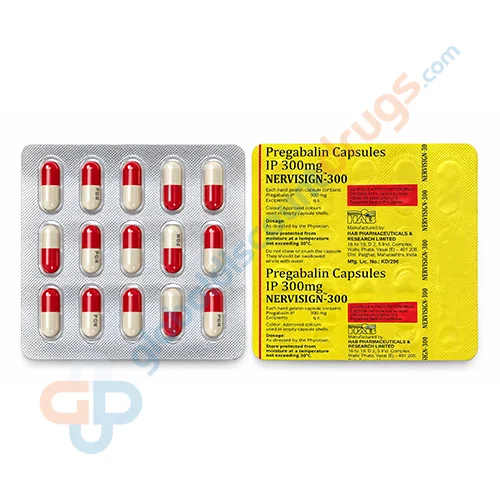
Pregabalin 300mg
In StockPregabalin 300 mg Capsule acts on calcium channels within the nervous system to relieve neuropathic pain and support seizure control. Avoid stopping therapy suddenly unless advised by your healthcare provider.
| Active Ingredient: | Pregabalin |
|---|---|
| Indication: | Neuropathic Pain |
| Strength: | 300mg |
| Dosage Form: | Capsules |
| Manufacturer: | HAB |

Pregabalin 300mg – Quick Overview
Pregabalin 300mg is a prescription medication used to manage nerve pain from diabetes or shingles, certain seizures, fibromyalgia, and nerve pain from spinal cord injury. It works by calming overactive nerve signals in the brain and spinal cord. Pregabalin is a federally controlled substance and must be used exactly as prescribed under medical supervision.
Medical Supervision & Regulatory Status
Pregabalin 300mg is available in the United States by prescription only. The FDA classifies it as a Schedule V controlled substance under the Controlled Substances Act due to its potential for misuse and dependence. Physician oversight is required to determine appropriate dosing, monitor effectiveness, and reduce the risk of misuse or withdrawal complications.
Clinical Context
Chronic nerve pain, seizure disorders, and fibromyalgia each involve overactive or dysregulated nerve signaling that disrupts normal function and quality of life. These conditions often persist despite standard pain relievers or require targeted neurological treatment.
Left unmanaged, conditions like diabetic nerve pain or postherpetic neuralgia can significantly limit daily activity, sleep, and mental well-being, while uncontrolled seizures pose safety risks. Effective management typically requires medications that act directly on nerve signaling pathways.
Pregabalin fits into treatment plans as a first-line or adjunctive option for specific neuropathic pain conditions, as add-on therapy for partial-onset seizures, and as a treatment for fibromyalgia, based on individualized evaluation by a physician.
How Pregabalin 300mg Works
Pregabalin belongs to a drug class called anticonvulsants, also known as gabapentinoids. Despite structural similarity to GABA, it does not act directly on GABA receptors.
Instead, pregabalin binds to a specific calcium channel subunit in the central nervous system, reducing the release of excitatory neurotransmitters involved in pain signaling and seizure activity.
For patients, this mechanism can translate into meaningful reductions in nerve pain intensity, fewer seizures when used alongside other anti-seizure medications, and improved function for those living with fibromyalgia.
What is Pregabalin 300mg?
| Attribute | Detail |
|---|---|
| Drug Class | Anticonvulsant / gabapentinoid |
| Active Ingredient | Pregabalin |
| Mechanism | Binds to the alpha-2-delta auxiliary subunit of voltage-gated calcium channels in the central nervous system. This may reduce the release of excitatory neurotransmitters involved in neuropathic pain and seizure activity. |
| Form | Oral capsule |
| Dosing Frequency | Usually taken in two or three divided doses daily, depending on the condition, kidney function and prescribed regimen |
| Regulatory Status | FDA-approved prescription medicine (Rx only); classified as a Schedule V controlled substance in the United States |
Uses / Indications
Diabetic peripheral neuropathy: Used to manage nerve pain caused by diabetes-related nerve damage.
Postherpetic neuralgia: Used to manage ongoing nerve pain following a shingles outbreak.
Partial-onset seizures: Used as an add-on treatment alongside other anti-seizure medications.
Fibromyalgia: Used to help manage widespread pain associated with fibromyalgia.
Neuropathic pain from spinal cord injury: Used to manage nerve pain resulting from spinal cord injury.
How to Use / Dosage
Your doctor determines your exact dose based on your condition, kidney function, and response to treatment, since pregabalin is cleared primarily through the kidneys and often requires dose adjustment. It is generally taken with or without food, at evenly spaced times throughout the day.
If you miss a dose, take it as soon as you remember unless it’s close to your next scheduled dose—do not double up. Do not stop taking pregabalin suddenly; your doctor will typically direct a gradual taper over at least one week to reduce the risk of withdrawal symptoms or seizures.
Side Effects
Many people tolerate pregabalin well, though side effects can occur, especially when starting treatment or adjusting the dose.
Common side effects include dizziness, drowsiness, blurred vision, weight gain, dry mouth, and swelling of the hands or feet. These often lessen as your body adjusts but should be reported if persistent or bothersome.
Serious side effects are less common but require prompt medical attention. These include signs of allergic reaction, unusual mood or behavior changes, muscle problems, and breathing difficulties, particularly when combined with other central nervous system depressants.
Emergency Warning Signs:
- Swelling of the face, lips, tongue, or throat
- Difficulty breathing or severe drowsiness
- New or worsening thoughts of self-harm
- Unexplained muscle pain with fever or fatigue
- Rapid weight gain or swelling in the legs
- Chest pain or irregular heartbeat
Warnings & Precautions
Pregabalin may cause dizziness and somnolence that can impair the ability to drive or operate machinery, and these effects can be intensified when combined with alcohol or other sedating medications. Angioedema, involving swelling of the face and throat, has been reported and requires immediate discontinuation and medical care.
Pregabalin should be used cautiously with opioids, benzodiazepines, or other central nervous system depressants, as combined use increases the risk of severe drowsiness, respiratory depression, and, in rare cases, death. Patients with a history of substance misuse may be at higher risk of pregabalin misuse or dependence and should be monitored closely.
Pregabalin has been associated with fetal harm in animal studies, so use during pregnancy should be discussed carefully with your doctor, and effective contraception is generally advised. Breastfeeding while taking pregabalin should also be discussed with a healthcare provider. Patients with reduced kidney function, congestive heart failure, or a history of seizures require special monitoring, and abrupt discontinuation should be avoided due to withdrawal risk.
Who Should Not Use This Medication
- Individuals with a known hypersensitivity to pregabalin or its components
- Patients with a history of angioedema related to pregabalin or similar medications
- Individuals actively misusing alcohol or sedative medications, without close medical supervision
- Patients with untreated severe respiratory conditions, unless cleared by a specialist
- Women who are pregnant or breastfeeding, without physician guidance
Storage Instructions
Store pregabalin capsules at room temperature, away from excess heat and moisture (not in a bathroom). Keep the container tightly closed and away from direct light. Because pregabalin is a controlled substance, store it securely, out of sight and reach of children, and away from anyone who might misuse it.
Frequently Asked Questions
Does pregabalin require a prescription?
Yes, pregabalin requires a prescription in the United States and is also a federally controlled substance. Medical evaluation and ongoing monitoring are necessary to ensure safe use and to reduce the risk of misuse or dependence.
Is pregabalin available over the counter?
No, pregabalin is not available over the counter in the United States. It is classified as a Schedule V controlled substance, requiring a prescription and medical supervision throughout treatment.
How can I order pregabalin online?
You can order pregabalin online through a licensed U.S. pharmacy after uploading a valid prescription or having your doctor send one electronically. Once verified, the pharmacy typically processes and ships your order. Always confirm the pharmacy is licensed before ordering controlled substances.
What is the cost of pregabalin without insurance?
The cost without insurance depends on the seller, brand availability, and pack size, and may also vary by location and available discounts. As a generic medication, pregabalin is often more affordable than the brand-name version, but pricing should be confirmed with your pharmacy.
How long does it take for pregabalin to work?
Pregabalin can begin relieving some symptoms within the first week, though full benefits for nerve pain or fibromyalgia may take several weeks of consistent use. Your doctor will monitor your progress and may adjust your dose accordingly.
Is it safe to stop taking pregabalin suddenly?
No, stopping pregabalin suddenly is not recommended. Abrupt discontinuation can cause withdrawal symptoms or, in patients being treated for seizures, an increased risk of seizure activity. Your doctor will guide a gradual taper.
What happens if I miss a dose of pregabalin?
If you miss a dose, take it as soon as you remember unless it’s almost time for your next dose. Do not take a double dose. Contact your doctor if you miss doses frequently, as this can affect symptom control.
Resources
DailyMed – Pregabalin Capsule Prescribing Information (NIH)
MedlinePlus – Pregabalin Drug Information (NIH)
NCBI Bookshelf – Pregabalin, StatPearls (NIH)
Medical Disclaimer
This content is for informational purposes only and does not constitute medical advice, diagnosis, or treatment. Consult a qualified specialist or physician before using Pregabalin.
Prescription Required (Rx) to Buy?
This medication is not available over the counter. A valid prescription from a licensed healthcare
professional is required. Always consult your doctor before use.
| Quantity | 120, 30, 60, 90 |
|---|---|
| Indication | Neuropathic Pain |
| Active Ingredient | Pregabalin |
| Pharmaceutical Form | Capsules |
| Manufacturer | HAB |
| Indian Brand | Nervisign 300mg |
| US Brand Name | Lyrica |
| Generic Name | Pregabalin |
| Dosage | 300mg |
| Drug Type | Capsules |