

Gabapentin
In StockGabapentin is an anticonvulsant and analgesic agent structurally related to GABA, primarily used to treat partial seizures, postherpetic neuralgia (shingles pain), and restless legs syndrome (RLS). It works by binding to the alpha-2-delta subunit of voltage-gated calcium channels, reducing the release of excitatory neurotransmitters. This mechanism provides effective relief for chronic nerve-related pain. Gabapentin is a core agent in chronic pain management and neurology.

Gabapentin is a prescription medication used to treat nerve pain after shingles and, as add-on therapy, certain seizures. It can cause drowsiness and dizziness, and it needs careful use with other sedating substances. This guide explains what it is, how it works, possible side effects, and what to discuss with your neurologist, pain specialist, or other licensed medical specialist. It is meant to support, not replace, the advice of your care team.
What is Gabapentin?
Gabapentin is an anti-seizure medication (also called an antiepileptic drug or anticonvulsant) that is also used to treat nerve pain. It belongs to a class known as gabapentinoids. It is sold under brand names such as Neurontin and Gralise, as well as generic products. Although its structure is related to a brain chemical called GABA, it does not act directly on GABA receptors.
Approved uses: In the United States, gabapentin is approved by the FDA for:
- Nerve pain after shingles (postherpetic neuralgia) in adults
- Add-on treatment for partial-onset seizures in adults and in children aged 3 years and older, for immediate-release products
The once-daily tablet product (Gralise) is approved for post-shingles nerve pain only.
Other prescribed uses: Specialists sometimes prescribe gabapentin for other types of nerve pain or other conditions based on an individual patient’s needs. These decisions belong to the treating specialist, and this page does not recommend use outside approved indications.
Available forms and strengths (may vary by brand, manufacturer, and country):
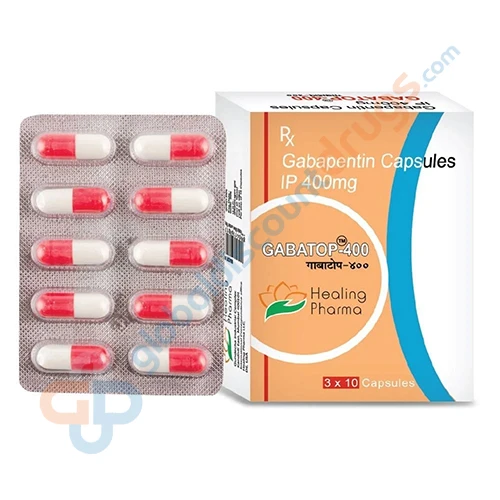
- Capsules: commonly 100 mg, 300 mg, and 400 mg
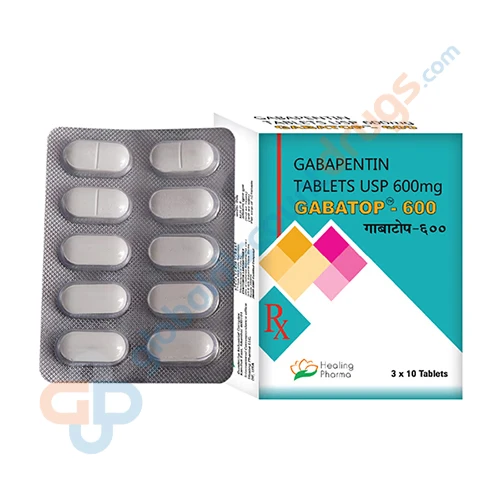
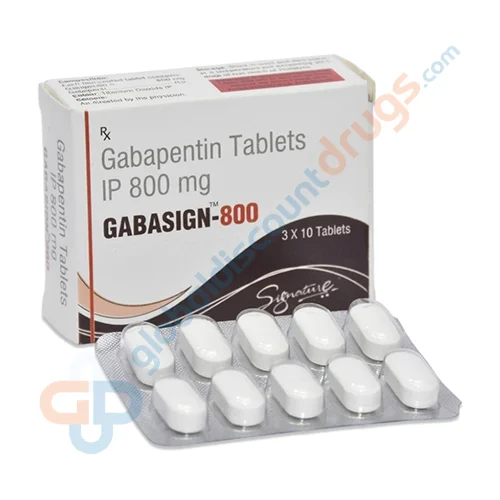
- Tablets: commonly 600 mg and 800 mg
- Oral solution (liquid): commonly 250 mg per 5 mL
- Once-daily tablets (Gralise): commonly 300 mg and 600 mg
A related medicine, gabapentin enacarbil (Horizant), is a different product with different approved uses and is not interchangeable with gabapentin. Individual strength pages provide more detailed questions and answers.
What is the Recommended Dosage of Gabapentin?
There is no single dose that fits everyone. Your specialist chooses a dose based on:
- The condition being treated and how well symptoms are controlled
- Age (children and older adults are treated differently)
- Body weight, especially for children
- Kidney function, since the body clears gabapentin almost entirely through the kidneys and doses are lowered when kidney function is reduced
- Other medications, especially sedating medicines
Treatment usually starts at a low dose that is increased gradually over days to weeks. Doses of immediate-release products are commonly divided into three times a day, and the time between doses should not be too long, especially for people with seizures. Gabapentin can be taken with or without food, but the once-daily tablet is usually taken with the evening meal as directed on its label. Tablets of some products should be swallowed whole.
Always follow your prescription label. Do not take more than prescribed, and do not stop gabapentin suddenly. Stopping abruptly can cause withdrawal symptoms, and in people with seizures it may trigger seizures. Doses are usually lowered gradually over at least a week, as directed by your specialist.
How Gabapentin Works
Pain and seizures can both involve nerve cells that send signals too intensely. Gabapentin is thought to attach to a part of certain calcium channels on nerve cells, called the alpha-2-delta subunit. This appears to reduce the release of chemical messengers that excite nerves, which may calm overactive pain and seizure signaling.
Gabapentin helps manage symptoms. It does not cure the underlying condition, such as nerve damage or epilepsy, and it does not work right away for everyone. Response varies from person to person.
Is a Prescription Required to Buy Gabapentin Online?
Yes. Gabapentin is a prescription-only medication. In some U.S. states and in some countries, it is also a controlled substance, because it has some potential for misuse. It should be started and monitored by a licensed medical specialist, such as a neurologist or pain medicine specialist, or by another licensed prescriber.
If you use an online pharmacy:
- Use only licensed pharmacies that require a valid prescription.
- Be cautious of websites that sell gabapentin without a prescription, since these products may be counterfeit, contain other substances, or be incorrectly labeled.
- Confirm that the medication name, form, and strength match what your prescriber ordered.
- Ask your pharmacist if a product looks different from your usual supply.
Side Effects of Gabapentin
Everyone reacts differently. Many side effects are strongest early in treatment and improve as the body adjusts. Report any bothersome or unusual symptoms to your prescriber.
Common Side Effects
- Dizziness
- Drowsiness or tiredness
- Unsteadiness or trouble with coordination
- Swelling of the hands, feet, or legs
- Weight gain
- Blurred or double vision, or involuntary eye movements
- Tremor
- Dry mouth
- In children, mood or behavior changes such as irritability, restlessness, or trouble concentrating
Serious Side Effects
Serious reactions are uncommon, but they need prompt attention. Seek emergency medical care or contact your specialist right away if you notice:
- Signs of a serious allergic reaction: swelling of the face, lips, tongue, or throat, hives, or trouble breathing
- Signs of a multi-organ reaction: fever, rash, swollen glands, or signs of liver or blood problems
- Slow or shallow breathing, or extreme sleepiness, especially in older adults, people with lung disease, people with kidney problems, or people also taking opioids or other sedating medicines
- Mood or behavior changes: new or worsening depression, unusual thoughts, or any thoughts of self-harm. Anti-seizure medicines as a group carry a warning about suicidal thoughts. If you or someone you care for has these thoughts, contact a healthcare professional or local emergency services immediately.
- Unexplained muscle pain, weakness, or dark urine
- Worsening seizures or an increase in seizure frequency
- Signs of misuse or dependence: cravings, taking more than prescribed, or feeling unable to stop
- Withdrawal symptoms after stopping: trouble sleeping, nausea, sweating, anxiety, or pain
Drug Interactions
Tell your specialist and pharmacist about everything you take, including prescription drugs, over-the-counter (OTC) products, supplements, and herbal remedies. Major categories include:
- Opioid pain medicines: Combining them with gabapentin can increase the risk of serious breathing problems, extreme sleepiness, and overdose.
- Benzodiazepines and other sedatives: Anti-anxiety medicines, sleep aids, and muscle relaxants can add to sleepiness, dizziness, and slowed breathing.
- Alcohol: Alcohol can make drowsiness, dizziness, and thinking problems worse.
- Antacids containing aluminum or magnesium: These can reduce how much gabapentin the body absorbs. Ask your pharmacist how to space your doses, commonly at least two hours apart.
- Other seizure medicines: Combining them can add to side effects.
- OTC products: Antihistamines that cause sleepiness, and some cold, allergy, and sleep products, may add to drowsiness. Ask a pharmacist before combining products.
- Supplements and herbal products: Sleep and calming products such as valerian, kava, or St. John’s wort may add to sedation. Discuss any supplement before starting it.
Bring a complete, up-to-date medication list to each appointment.
Safety & Important Considerations
- Kidney disease: Doses are lowered based on kidney function, and adjusted for people on dialysis.
- Liver disease: Gabapentin is not heavily processed by the liver, but talk to your specialist if you have liver problems.
- Breathing problems: The FDA has warned about serious breathing difficulties with gabapentinoids in people with lung disease, in older adults, and in those taking other sedating medicines.
- Pregnancy: Information about gabapentin in pregnancy is limited. It is generally used only when the potential benefit outweighs the potential risk. If you are pregnant, planning pregnancy, or become pregnant, contact your specialist promptly. Do not stop the medicine on your own, especially if you take it for seizures. Ask about pregnancy registries for anti-seizure medicines.
- Breastfeeding: Gabapentin passes into breast milk. Discuss risks and benefits with your specialist, and watch the infant for sleepiness or poor feeding.
- Children: Approved use in children is limited to certain seizure types and ages. Behavior changes can be more noticeable in children, so caregivers should report them promptly.
- Older adults: Older adults may be more sensitive to dizziness, confusion, and sleepiness, and often have reduced kidney function. This raises the risk of falls.
- Misuse and dependence: Gabapentin has potential for misuse, especially in people with a history of substance misuse. Store it securely and never share it.
- Lab tests: Gabapentin can cause false-positive results on some urine protein tests. Tell your care team you take it.
- Monitoring: Your specialist may review pain or seizure control, mood, weight, swelling, and kidney function.
- Alcohol and driving: Avoid alcohol, and avoid driving or operating machinery until you know how gabapentin affects you. Follow local laws about driving with seizures.
- Boxed warning status: Gabapentin does not carry a boxed warning, but its labeling includes important warnings on allergic and multi-organ reactions, breathing problems, mood changes, and withdrawal.
Who This Medication Is For
Gabapentin is intended for adults with nerve pain after shingles, and for people with partial-onset seizures who need add-on treatment, within the approved ages for each product. Whether it is suitable depends on medical history, other medicines, and personal risk factors, which only a specialist can assess.
Who Should Not Take Gabapentin
- People who are allergic to gabapentin or any ingredient in the product
Use extra caution, and talk to your specialist first, if you have:
- Kidney disease or are on dialysis
- Lung disease or breathing problems
- A history of substance misuse or dependence
- A history of depression, mood disorders, or suicidal thoughts
- A history of a serious allergic reaction to a seizure medicine
- Pregnancy, plans for pregnancy, or breastfeeding
What to Do If You Miss a Dose
- Take the missed dose as soon as you remember, unless it is almost time for the next dose.
- If it is almost time for the next dose, skip the missed one and return to your normal schedule.
- Do not take a double dose to make up for a missed one.
- If you take gabapentin for seizures, try not to let more than about 12 hours pass between doses.
- If you miss more than one dose, or you are unsure what to do, contact your licensed medical specialist or pharmacist. Missing doses may bring symptoms back, and in people with seizures it may raise the risk of breakthrough seizures.
Using a pill organizer, phone reminder, or caregiver check-in can help with consistency.
Related medications to Gabapentin
Other medicines may be used for the same conditions, depending on the person.
- For nerve pain: pregabalin, duloxetine, certain tricyclic antidepressants such as amitriptyline, and topical treatments such as lidocaine patches
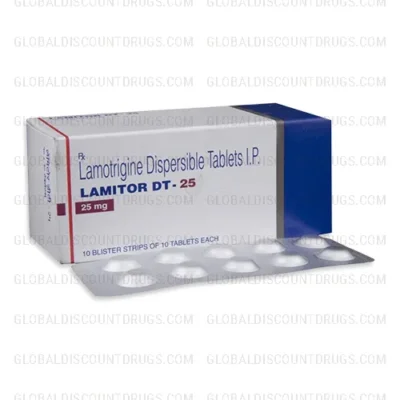
- For seizures: lamotrigine, levetiracetam, lacosamide, topiramate, oxcarbazepine, and others
Each medicine has its own benefits, risks, and interactions, and none is right for everyone.
Do not switch or stop medications on your own. Any change in treatment requires consultation with your neurologist, pain specialist, or other licensed medical specialist.
Storage Instructions
- Store at room temperature, generally 68°F to 77°F (20°C to 25°C), unless the label says otherwise.
- Keep capsules and tablets in the original tight container, away from moisture, heat, and light. Avoid storing in bathrooms.
- For the oral solution, follow the label for storage and use the dosing device provided.
- Keep out of reach and sight of children and pets. Consider a locked storage spot.
- Do not use medication past its expiration date. Ask your pharmacist about safe disposal or take-back programs.
Disclaimer:
This page is for educational purposes only. It is not a substitute for professional medical advice, diagnosis, or treatment. Patients must consult a licensed neurologist, pain medicine specialist, or other relevant medical specialist before starting, changing, or stopping treatment. Treatment decisions must be based on a full clinical evaluation by a qualified specialist. If you think you are having a medical emergency, contact your local emergency services immediately.
Prescription Required (Rx) to Buy?
This medication is not available over the counter. A valid prescription from a licensed healthcare
professional is required. Always consult your doctor before use.