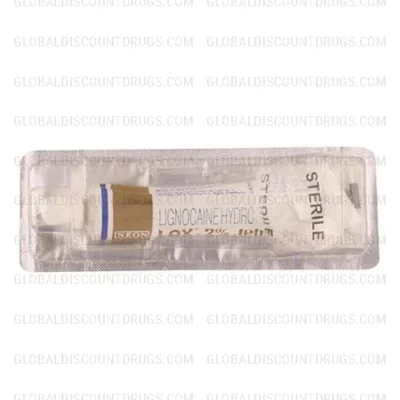
Lidocaine
In StockLidocaine is a prescription medicine used to relieve local pain and discomfort during medical or dental procedures and to manage certain heart rhythm disorders. It works by blocking nerve signals that transmit pain sensations and by stabilizing electrical activity in the heart. This action helps control pain or abnormal heart rhythms. Use as directed on the product label or by a healthcare professional.

What is Lidocaine?
Lidocaine is a medication used to numb specific areas of the body and to treat certain heart rhythm problems. It belongs to a group of medicines called local anesthetics. These medicines temporarily block pain signals from nerves.
Healthcare professionals commonly use lidocaine in many medical settings, including dental procedures, minor surgeries, and pain management.
Approved and common uses
Lidocaine may be prescribed or used for:
- Local anesthesia during medical or dental procedures
- Relief of pain from minor skin conditions
- Treatment of nerve-related pain in some conditions
- Management of abnormal heart rhythms (arrhythmias) in hospital settings
- Relief of pain caused by burns, insect bites, or skin irritation
Available formulations and strengths
Lidocaine is available in several forms, depending on the condition being treated:
- Topical creams and ointments
- Gels
- Transdermal patches
- Sprays
- Injectable solutions
- Dental anesthetic preparations
- Topical solutions or lotions
Different strengths and formulations allow healthcare professionals to select the most appropriate option for each patient.
What is the Recommended Dosage of Lidocaine?
The appropriate dosage of lidocaine varies depending on several factors. A licensed medical specialist determines the correct form and amount based on the patient’s condition.
Factors that influence dosage
Dosage may depend on:
- The condition being treated
- Location and size of the treatment area
- Patient age
- Body weight (particularly for injections)
- Liver function
- Other medications being taken
Available dosage forms
Lidocaine may be administered as:
- Topical creams or ointments
- Gels or sprays applied to the skin or mucous membranes
- Transdermal patches
- Injectable solutions used in clinical settings
Because excessive exposure can lead to serious side effects, lidocaine should only be used exactly as directed by a licensed medical specialist such as a physician, dentist, anesthesiologist, or dermatologist.
How Lidocaine Works
Lidocaine works by blocking nerve signals that transmit pain.
Normally, nerves send electrical signals to the brain when an area of the body experiences pain. Lidocaine prevents these signals from traveling through the nerve fibers. As a result, the treated area becomes temporarily numb.
This effect allows:
- Pain relief during procedures
- Reduction of discomfort from skin irritation or nerve pain
- The numbing effect is temporary, and sensation gradually returns once the medication wears off.
When used for heart rhythm problems, lidocaine affects electrical activity in the heart to help stabilize abnormal rhythms.
Lidocaine helps manage symptoms, but it does not cure the underlying condition causing pain or irritation.
Is a Prescription Required to Buy Lidocaine Online?
Whether a prescription is required depends on the formulation and strength.
Some low-strength topical lidocaine products may be available over the counter in certain countries.
Higher-strength topical products, patches, and injectable forms usually require a prescription.
Patients should consult a licensed medical specialist before using lidocaine, such as:
- Dermatologist for skin-related pain or irritation
- Dentist for oral or dental procedures
- Pain specialist for nerve pain conditions
- Cardiologist when used for heart rhythm disorders
When purchasing medications online, patients should:
- Use licensed and regulated pharmacies
- Avoid counterfeit or unverified products
- Never purchase veterinary or unapproved formulations for human use
- Proper medical guidance helps reduce the risk of incorrect dosing or misuse.
Side Effects of Lidocaine
Like all medications, lidocaine may cause side effects. Many are mild and temporary, but some may require medical attention.
Common Side Effects
Common effects are usually mild and may include:
- Mild skin redness or irritation at the application site
- Temporary numbness or tingling
- Burning or stinging sensation
- Mild swelling
- Dizziness or lightheadedness (occasionally)
These symptoms often resolve as the medication wears off.
Serious Side Effects
Rare but serious side effects can occur, especially with excessive use or high doses.
Possible serious reactions include:
- Severe dizziness or confusion
- Seizures
- Irregular heartbeat
- Difficulty breathing
- Severe allergic reactions such as swelling of the face or throat
- Blue or gray skin discoloration (a rare condition affecting oxygen levels)
Immediate medical attention is required if severe symptoms occur.
Drug Interactions
Lidocaine may interact with other medications, which can affect how it works or increase the risk of side effects.
Important interaction categories include:
- Prescription medications
- Certain antiarrhythmic drugs
- Some beta-blockers
- Medicines that affect liver enzyme activity
- Other local anesthetics
- Over-the-counter medicines
- Topical pain relief products
- Cold or allergy medications containing anesthetic agents
Supplements and herbal products
Some herbal supplements may influence liver metabolism or affect heart rhythm.
Patients should always provide their healthcare professional with a complete list of medications, including:
- Prescription drugs
- Over-the-counter products
- Vitamins
- Herbal supplements
This helps healthcare professionals identify potential interactions.
Safety & Important Considerations
Several medical factors should be considered before using lidocaine.
Liver disease
Because lidocaine is processed in the liver, patients with liver problems may require special monitoring or dosage adjustments.
Heart conditions
People with certain heart rhythm disorders should use lidocaine only under specialist supervision.
Pregnancy and breastfeeding
The safety of lidocaine during pregnancy or breastfeeding depends on the formulation and medical need. Patients should consult a licensed medical specialist before use.
Age considerations
Children: dosing must be carefully calculated
Older adults: may be more sensitive to medication effects
Application safety
When using topical lidocaine:
Avoid applying to large areas of broken or damaged skin
Follow recommended application guidelines
Do not exceed the prescribed amount
Proper use reduces the risk of systemic absorption and toxicity.
Who This Medication Is For
Lidocaine may be appropriate for patients who require temporary pain relief or local anesthesia.
Typical patient groups include:
- Individuals undergoing minor surgical or dental procedures
- Patients experiencing localized skin pain
- Individuals with nerve-related pain conditions
- Patients requiring short-term anesthesia for medical procedures
- Hospital patients with certain heart rhythm disturbances
The specific form and dose depend on the condition being treated and the patient’s overall health.
Who Should Not Take Lidocaine
Lidocaine may not be suitable for certain individuals.
Contraindications
Patients should not use lidocaine if they:
- Have a known allergy to lidocaine or other amide-type local anesthetics
- Have experienced severe reactions to similar medications in the past
- Important precautions
- Extra caution may be required in patients with:
- Severe liver disease
- Certain heart conduction disorders
- Known sensitivity to anesthetic agents
A licensed medical specialist should evaluate risks before prescribing or recommending the medication.
What to Do If You Miss a Dose
Missed-dose instructions depend on the form of lidocaine being used.
For scheduled topical or patch applications:
- Apply the medication when remembered
- If it is close to the next scheduled dose, skip the missed dose
- Patients should not apply extra medication to make up for a missed dose.
If unsure about how to proceed, patients should contact a licensed medical specialist or pharmacist for guidance.
Related medications to Lidocaine
Lidocaine is a local anesthetic available in several dosage forms for different clinical uses. A closely related local-anesthetic page is Lidocaine-Prilocaine.
Storage Instructions
Proper storage helps maintain the medication’s safety and effectiveness.
General storage guidance includes:
- Store at room temperature
- Keep away from excess heat and moisture
- Protect from direct sunlight
- Keep the medication tightly sealed in its original container
For safety:
- Store the medicine out of reach of children and pets
- Dispose of expired or unused medication according to local pharmacy guidelines
Disclaimer:
This page is provided for educational purposes only. It is not a substitute for professional medical advice, diagnosis, or treatment. Patients must consult a licensed dermatologist, dentist, anesthesiologist, cardiologist, or other relevant medical specialist before starting, changing, or stopping treatment with lidocaine. All treatment decisions must be based on a full clinical evaluation performed by a qualified healthcare professional.
Prescription Required (Rx) to Buy?
This medication is not available over the counter. A valid prescription from a licensed healthcare
professional is required. Always consult your doctor before use.