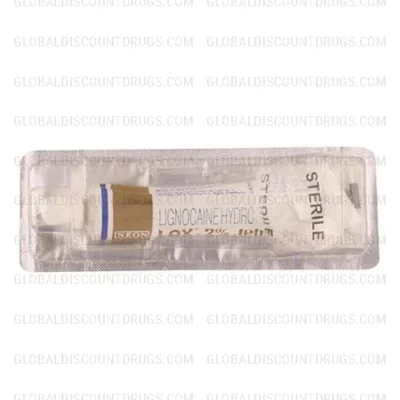
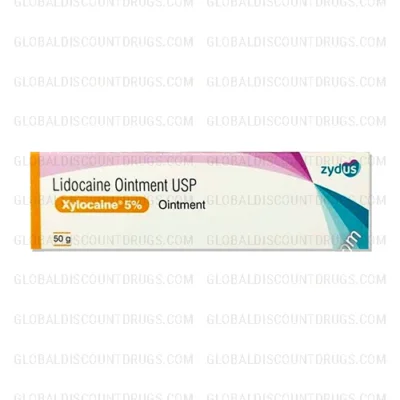
Lidocaine 2% Gel 30gm
In StockLidocaine 2% Gel is a topical amide local anesthetic that temporarily numbs skin or mucous membranes during selected procedures or painful conditions. Avoid excessive use, especially on damaged or inflamed tissue.
| Active Ingredient: | Lidocaine |
|---|---|
| Indication: | Local Anesthesia |
| Strength: | 2%-30gm |
| Dosage Form: | Gel |
| Manufacturer: | Neon labs |

Lidocaine 2% Gel (30gm) – Quick Overview
Lidocaine 2% gel is a topical local anesthetic used to temporarily relieve pain, burning, and itching from minor skin conditions and to numb mucous membranes before certain procedures. It works by blocking nerve signals in the treated area. This medication may require a prescription depending on the intended use and region—follow your provider’s or pharmacist’s guidance.
Medical Supervision & Regulatory Status
Lidocaine 2% gel is available by prescription for certain uses (such as urethral or mucosal numbing before procedures) and is regulated by the FDA; some lower-strength topical lidocaine products are available over the counter. Medical supervision helps ensure the correct application site, amount, and frequency, since excessive use—particularly on mucous membranes—can increase systemic absorption.
Clinical Context
Localized pain, itching, or discomfort from minor skin irritations, insect bites, or minor procedures involving mucous membranes (such as catheter insertion or minor dental or ENT procedures) can cause significant discomfort. Topical anesthetics provide targeted relief without the systemic effects of oral pain medications.
Lidocaine is one of the most established and widely used topical local anesthetics, valued for its rapid onset and reliable numbing effect. The 2% gel formulation is particularly suited for use on mucous membranes and moist surfaces, where a gel base allows better contact and coverage compared to an ointment.
Lidocaine gel fits into symptom and procedural management as a fast-acting, localized numbing option, commonly used both for minor skin discomfort and to improve comfort during certain medical procedures.
How Lidocaine Gel Works
Lidocaine belongs to the drug class of amide local anesthetics. It works by blocking voltage-gated sodium channels in nerve cell membranes, which prevents the generation and conduction of nerve impulses in the treated area.
By interrupting these nerve signals, lidocaine temporarily numbs the skin or mucous membrane and reduces sensations of pain and itching at the application site. The gel base allows for easy application to moist surfaces and mucous membranes, with numbing typically starting within a few minutes.
What is Lidocaine 2% Gel?
- Drug Class: Amide-type local anesthetic
- Active Ingredient: Lidocaine 2% w/w
- Mechanism: Blocks sodium channels to prevent nerve signal conduction
- Form: Topical gel, 30g tube
- Dosing Frequency: As needed, up to the maximum recommended daily amount; do not exceed provider-directed frequency
- Regulatory Status: Prescription required for mucosal/procedural use; some topical uses may be OTC (varies by region)
Uses / Indications
Minor Skin Irritations: Used to relieve pain and itching from minor burns, insect bites, minor cuts, and abrasions.
Mucous Membrane Numbing: Used to numb mucous membranes (such as before catheter insertion, endoscopy, or minor dental/ENT procedures) as directed by a healthcare provider.
Anorectal or Genital Discomfort: Sometimes used for temporary relief of minor discomfort in these areas, depending on product labeling and provider guidance.
How to Use / Dosage
Apply a thin layer of gel to the affected skin or mucous membrane as needed, or as specifically directed by your provider for procedural use, not exceeding the maximum recommended daily amount. For procedural numbing, the amount and timing (usually applied a few minutes before the procedure) will be determined by your provider based on the specific procedure and area involved.
Do not exceed a total daily dose of more than the maximum lidocaine amount specified by your provider or product labeling (commonly around 4.5mg/kg body weight, or a specific gram/application limit depending on the area treated), since mucous membranes absorb lidocaine more readily than intact skin, increasing systemic toxicity risk with overuse. If you miss a scheduled application before a planned procedure, contact your provider for guidance rather than doubling the amount. For as-needed skin use, do not use continuously for more than 7 days without consulting your provider if symptoms persist or worsen.
Side Effects
Most people tolerate topical lidocaine gel well when used as directed, though side effects can occur.
Common side effects may include mild burning, stinging, redness, or a temporary numb/tingling sensation at the application site.
Serious side effects, though rare with proper use, can include allergic contact reactions and, with excessive use—especially on mucous membranes or broken skin—systemic toxicity affecting the heart and nervous system (dizziness, ringing in the ears, irregular heartbeat, seizures).
Emergency Warning Signs — Seek immediate medical care if you experience:
- Dizziness, confusion, or ringing in the ears
- Irregular, slow, or rapid heartbeat
- Difficulty breathing
- Seizures or severe drowsiness
- Signs of a severe allergic reaction (facial swelling, hives, difficulty breathing)
- Numbness spreading well beyond the treated area
Warnings & Precautions
Lidocaine gel is contraindicated in patients with known hypersensitivity to lidocaine or other amide-type local anesthetics. Because mucous membranes absorb lidocaine more rapidly and completely than intact skin, use on these surfaces requires closer attention to dosing limits, and this medication should not be applied to large areas of broken, irritated, or infected skin without provider guidance.
Use with caution in patients with liver disease, as lidocaine is metabolized hepatically and impaired clearance can increase systemic toxicity risk. Concurrent use with other local anesthetics, antiarrhythmic medications (such as mexiletine), or other lidocaine-containing products should be avoided or discussed with a provider, as combined exposure increases toxicity risk. Use during pregnancy and breastfeeding should be discussed with a provider, as lidocaine crosses into breast milk, though limited topical use is generally considered lower risk. Use in infants, young children, and elderly or debilitated patients requires provider guidance, as these groups are more susceptible to systemic toxicity, particularly with mucosal application.
Who Should Not Use This Medication
- Known hypersensitivity to lidocaine or other amide-type anesthetics
- Application on large areas of broken, denuded, or infected skin without provider guidance
- Use on mucous membranes without provider-directed dosing
- Severe liver disease (without provider guidance)
- Infants under age 2 (without specific provider guidance)
- Uncontrolled cardiac arrhythmias (for procedural/mucosal use, without provider evaluation)
Storage Instructions
Store at room temperature (68-77°F/20-25°C), away from excess heat and moisture. Keep the tube tightly closed when not in use. Store out of reach of children and pets, as accidental ingestion or excessive application in children can cause serious toxicity.
Frequently Asked Questions
Is a prescription required for Lidocaine 2% Gel?
This depends on the specific use—procedural or mucosal application typically requires a prescription, while some topical skin-use formulations may be available with pharmacist guidance. Check with your pharmacist or provider to confirm.
How long does it take to work?
Numbing typically begins within a few minutes of application on mucous membranes, and slightly longer on intact skin, with effects lasting up to an hour or more depending on the area treated.
Is it safe to stop using this medication suddenly?
Yes, this medication is generally used as-needed or for a specific procedure, so stopping is not associated with withdrawal effects. Consult your provider if underlying symptoms persist or worsen.
What medications interact with this drug?
Other local anesthetics, certain antiarrhythmic medications, and other lidocaine-containing products can increase the risk of systemic toxicity when combined. Always share your full medication list with your provider or pharmacist.
What should I do if I miss a dose?
For as-needed skin use, simply apply it the next time you need relief. For a procedure-related application, contact your provider for guidance rather than adjusting the dose yourself.
What is the cost without insurance?
The cost without insurance depends on the seller, brand availability, and pack size, and may also vary by location and available discounts. Generic versions, where available, are often more affordable.
How can I order this medication online?
For prescription-required formulations, a valid prescription is needed; order through a licensed pharmacy that verifies your prescription and ships to your home. Always verify the pharmacy is licensed before ordering.
Is this medication available over the counter?
Some topical lidocaine gel formulations are available over the counter for minor skin use, but mucosal/procedural-use products typically require a prescription—check locally for specifics.
Resources
- FDA Prescribing Information (Lidocaine Topical): https://www.accessdata.fda.gov/scripts/cder/daf/
- MedlinePlus Drug Information: https://medlineplus.gov/druginfo/meds/a682415.html
- DailyMed (NIH) – Lidocaine Gel Label: https://dailymed.nlm.nih.gov/dailymed/search.cfm?query=lidocaine+gel
References:
- MedlinePlus (NIH) – Lidocaine Topical: https://medlineplus.gov/druginfo/meds/a682415.html
- DailyMed (NIH) – Lidocaine Gel Label: https://dailymed.nlm.nih.gov/dailymed/search.cfm?query=lidocaine+gel
- FDA Drug Approvals – Lidocaine: https://www.accessdata.fda.gov/scripts/cder/daf/
Medical Disclaimer:
<a href=”#”>This content is for informational purposes only and does not constitute medical advice, diagnosis, or treatment. Consult a qualified specialist or physician before using lidocaine gel.</a>
Prescription Required (Rx) to Buy?
This medication is not available over the counter. A valid prescription from a licensed healthcare
professional is required. Always consult your doctor before use.
| Quantity | 12, 3, 6, 9 |
|---|---|
| Indication | Local Anesthesia |
| Active Ingredient | Lidocaine |
| Pharmaceutical Form | Gel |
| Manufacturer | Neon labs |
| Indian Brand | Lox 2% Jelly |
| US Brand Name | Lidocaine |
| Generic Name | Lidocaine |
| Dosage | 2%-30gm |
| Drug Type | Tubes |