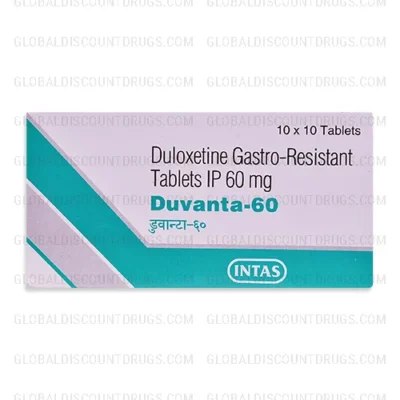


Duloxetine
In StockDuloxetine is a prescription medicine used to treat major depressive disorder, generalized anxiety disorder, and certain chronic pain conditions such as diabetic nerve pain and fibromyalgia. It belongs to the serotonin–norepinephrine reuptake inhibitor (SNRI) class and works by increasing serotonin and norepinephrine activity in the brain, helping regulate mood and pain signals. Use as directed on the product label or by a healthcare professional.

What is Duloxetine
Duloxetine is a prescription medicine in the class called serotonin norepinephrine reuptake inhibitors SNRIs. It affects brain chemicals involved in mood, anxiety, and pain processing.
Approved and common uses
Duloxetine may be prescribed for
- Major depressive disorder
- Generalized anxiety disorder
- Diabetic nerve pain peripheral neuropathy
- Fibromyalgia
Chronic musculoskeletal pain such as back pain or osteoarthritis
Available formulations and strengths
Duloxetine is commonly available as:
The formulation helps protect the medicine from stomach acid and allows gradual absorption.
What is the Recommended Dosage of Duloxetine
Dosage is individualized and must be determined by a healthcare professional.
Factors considered include
- Condition being treated
- Age
- Kidney and liver function
- Other medications
Symptom severity and response
Dosage forms
Delayed release capsules
Treatment often starts at a lower amount and may be adjusted gradually. Exact dosing must follow instructions from a licensed medical specialist such as a psychiatrist neurologist pain specialist or primary care physician.
How Duloxetine Works
Duloxetine increases the activity of serotonin and norepinephrine chemical messengers that influence mood stress response and pain signaling.
This can:
- Improve mood and emotional balance
- Reduce anxiety
- Decrease abnormal nerve pain signals
The medication manages symptoms rather than curing the underlying condition. Mood improvements may take several weeks while pain relief may appear gradually.
Is a Prescription Required to Buy Duloxetine Online
- Duloxetine is a prescription only medication.
- Patients should
- Receive a clinical evaluation before use
- Follow monitoring recommendations
- Avoid purchasing from unverified online sources
Relevant specialists may include
- Psychiatrist mood and anxiety disorders
- Neurologist nerve pain
- Pain specialist
- Primary care physician
Only obtain the medicine from licensed pharmacies. Counterfeit or non regulated products may be unsafe.
Side Effects of Duloxetine
Common side effects
These are often mild
- Nausea
- Dry mouth
- Sleepiness or insomnia
- Dizziness
- Constipation
- Sweating
- Reduced appetite
Serious side effects
Less common but important risks include
- Suicidal thoughts especially early in treatment
- Liver injury symptoms yellow skin or dark urine
- Increased blood pressure
- Severe skin reactions
- Serotonin syndrome agitation fever confusion
Abnormal bleeding
Immediate medical attention is needed for severe mood changes liver symptoms fainting or signs of serotonin syndrome.
Drug Interactions
Duloxetine interacts with several medication groups.
Major categories
- Other antidepressants
- MAO inhibitors
- Blood thinners
- Migraine medicines affecting serotonin
- Certain pain medications
- OTC medicines
NSAIDs may increase bleeding risk
Cold and cough products
Supplements and herbal products
Tryptophan
Patients should provide a complete medication list to their licensed medical specialist.
Safety and Important Considerations
Key precautions include
- Liver disease increased risk of complications
- Kidney impairment dose adjustments may be required
- High blood pressure monitoring recommended
- Pregnancy and breastfeeding specialist consultation needed
- Older adults higher fall risk due to dizziness
Children and adolescents monitoring for mood changes
Regulatory guidance highlights increased risk of suicidal thinking in younger patients using antidepressants. Regular follow up is important.
Who This Medication Is For
Duloxetine may be appropriate for
- Adults with depression
- Individuals with generalized anxiety disorder
- Patients with nerve related pain
- People with fibromyalgia
- Individuals with chronic musculoskeletal pain
Use is based on clinical evaluation and treatment history.
Who Should Not Take Duloxetine
Duloxetine may be unsuitable for individuals with
- Recent MAO inhibitor use
- Severe liver disease
- Uncontrolled narrow angle glaucoma
- Known allergy to duloxetine
Precaution is required in bipolar disorder bleeding disorders seizure history or heavy alcohol use.
What to Do If You Miss a Dose
If a dose is missed
- Take it when remembered if not near the next dose
- Skip if the next dose is soon
- Do not double doses
- Contact a licensed medical specialist if several doses are missed or withdrawal symptoms occur.
Related medications to Duloxetine
Neutral alternatives depend on the condition.
Other SNRIs
Pain focused options
- Gabapentinoids
- Tricyclic antidepressants
Non drug therapies such as physical therapy or psychotherapy
Treatment changes require specialist supervision.
Storage Instructions
- Store at room temperature
- Protect from moisture and direct light
- Keep in original packaging
- Keep out of reach of children and pets
Use pharmacy take back programs for disposal when available
Disclaimer:
This page is for educational purposes only. It is not a substitute for professional medical advice diagnosis or treatment. Patients must consult a licensed psychiatrist neurologist pain specialist or primary care physician before starting changing or stopping treatment. Treatment decisions must be based on a full clinical evaluation by a qualified specialist.
Prescription Required (Rx) to Buy?
This medication is not available over the counter. A valid prescription from a licensed healthcare
professional is required. Always consult your doctor before use.