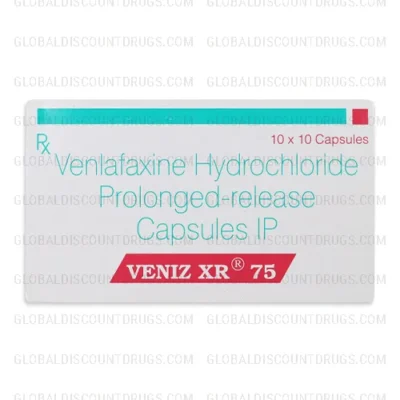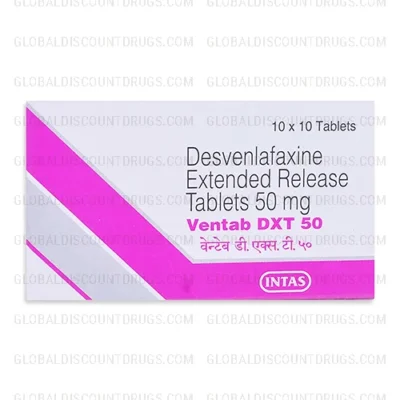


Desvenlafaxine
In StockDesvenlafaxine is a prescription medicine used to treat major depressive disorder, a condition that affects mood, energy, and daily functioning. It belongs to the serotonin–norepinephrine reuptake inhibitor (SNRI) class and works by increasing the activity of serotonin and norepinephrine in the brain, which helps regulate mood and emotional balance. Use as directed on the product label or by a healthcare professional.

What is Desvenlafaxine
Desvenlafaxine is a prescription medicine used to treat major depressive disorder MDD. It belongs to a class of medications called serotonin norepinephrine reuptake inhibitors SNRIs.
It works on brain chemicals involved in mood regulation and is commonly prescribed when ongoing depressive symptoms affect daily functioning.
Approved and common uses
Major depressive disorder in adults
Management of persistent depressive symptoms under specialist care
Sometimes considered when other antidepressants are not well tolerated
Available formulations and strengths
Extended release oral tablets most common
Typical strengths may include
Desvenlafaxine is designed for once daily dosing using extended release technology.
What is the Recommended Dosage of Desvenlafaxine
The dosage varies based on
- Severity of depression
- Response to treatment
- Age
- Kidney function
- Other medications being taken
Available dosage forms
Extended release tablets taken once daily
Treatment usually begins at a standard starting dose, and adjustments are made by a psychiatrist or primary care physician. Tablets should be swallowed whole and not crushed or split unless specifically instructed.
Medication changes should be made only under specialist supervision.
How Desvenlafaxine Works
Desvenlafaxine increases the levels of serotonin and norepinephrine, two neurotransmitters that influence mood, motivation, sleep, and emotional regulation.
By preventing these chemicals from being reabsorbed too quickly, the medicine helps stabilize mood and reduce symptoms such as low energy, sadness, and loss of interest.
It helps manage depression but does not provide immediate relief. Improvement often occurs gradually over several weeks.
Is a Prescription Required to Buy Desvenlafaxine Online
Desvenlafaxine is a prescription only medication.
Patients should consult a licensed psychiatrist or qualified medical provider before starting therapy.
Important considerations
- Mental health medicines require monitoring
- Abrupt discontinuation can cause withdrawal symptoms
- Counterfeit antidepressants may pose safety risks
- Medication should be obtained from licensed pharmacies only
- Regular follow up is recommended to assess response and safety.
Side Effects of Desvenlafaxine
Common side effects
- Nausea
- Dizziness
- Dry mouth
- Sweating
- Trouble sleeping
- Reduced appetite
- Constipation
Serious side effects
- Increased blood pressure
- Worsening mood or suicidal thoughts especially early in treatment
- Serotonin syndrome confusion agitation rapid heart rate
- Severe allergic reactions
- Eye problems related to increased pressure
- Immediate medical attention is required if severe mood changes unusual behavior or neurological symptoms appear.
Drug Interactions
Desvenlafaxine may interact with several medications.
Major interaction categories
Other antidepressants
Monoamine oxidase inhibitors MAOIs
Migraine medications affecting serotonin
Blood thinners
Certain pain medicines
Stimulants
Additional considerations
Over the counter cold medicines
Herbal supplements such as St Johns wort
Alcohol
Patients should share a full medication list with their healthcare provider before treatment.
Safety and Important Considerations
Mental health monitoring
Mood changes should be tracked
Early treatment period requires close follow up
Blood pressure
Regular monitoring may be recommended
Kidney function
Dose adjustments may be necessary
Pregnancy and breastfeeding
Requires specialist risk benefit evaluation
Age considerations
Younger patients may need closer monitoring for mood changes
Older adults may be more sensitive to side effects
Stopping treatment should be gradual to reduce withdrawal symptoms.
Who This Medication Is For
Desvenlafaxine may be prescribed for
- Adults with major depressive disorder
- Patients experiencing persistent low mood affecting daily life
- Individuals who require SNRI therapy
- Patients who have not responded to certain other antidepressants
Treatment decisions are individualized.
Who Should Not Take Desvenlafaxine
This medication may not be appropriate for people with
Known allergy to desvenlafaxine or venlafaxine
Recent MAOI use
Uncontrolled high blood pressure without medical supervision
Precautions are required in patients with
- Bipolar disorder
- Kidney disease
- Bleeding disorders
- Glaucoma
- History of seizures
Specialist evaluation is necessary before starting therapy.
What to Do If You Miss a Dose
If a dose is missed
- Take it when remembered on the same day
- Skip if close to the next scheduled dose
- Do not double doses
Patients who miss multiple doses should contact their healthcare provider for guidance.
Related medications to Desvenlafaxine
Other medications in the same or related classes include
Switching antidepressants requires medical supervision to avoid withdrawal or interaction risks.
Storage Instructions
Avoid crushing extended release tablets unl
- Store at room temperature
- Protect from moisture and heat
- Keep tablets in original packaging
- Keep out of reach of children and pets
- Do not use expired medication
Disclaimer:
This page is for educational purposes only. It is not a substitute for professional medical advice diagnosis or treatment. Patients must consult a licensed psychiatrist or qualified medical provider before starting changing or stopping treatment. Treatment decisions must be based on a full clinical evaluation by a qualified specialist.
Prescription Required (Rx) to Buy?
This medication is not available over the counter. A valid prescription from a licensed healthcare
professional is required. Always consult your doctor before use.