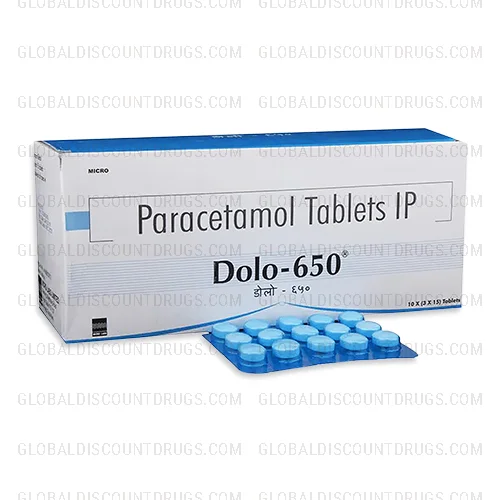
Acetaminophen-Paracetamol
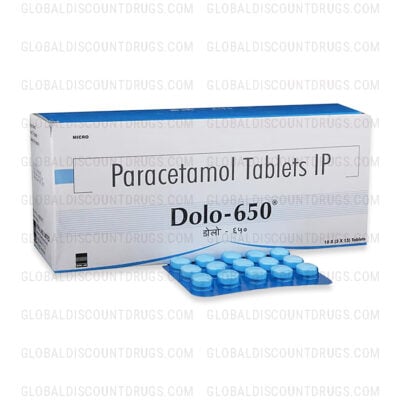
In StockAcetaminophen-Paracetamol is a widely used pain reliever and fever reducer suitable for all ages. It helps ease headaches, muscle aches, cold symptoms, and mild joint pain. By lowering body temperature and blocking pain signals, it provides quick and effective relief. It’s gentle on the stomach and safe for short-term use when taken as advised. Regular dosage helps restore comfort and reduce everyday pain efficiently.

What is Paracetamol (Acetaminophen)?
Paracetamol (acetaminophen) is a widely used medicine that relieves mild to moderate pain and lowers fever. It is not an opioid, and it is not a nonsteroidal anti-inflammatory drug (NSAID). It has little effect on inflammation.
Drug class
Paracetamol belongs to the group of medicines called analgesics (pain relievers) and antipyretics (fever reducers).
Approved and common prescribed uses
Paracetamol is approved to:
- Relieve mild to moderate pain, such as headache, toothache, muscle aches, menstrual cramps, and aches from a cold or flu
- Reduce fever
Providers also commonly recommend it for pain from osteoarthritis, pain after surgery or dental work, and as part of pain plans alongside other medicines. It is also an ingredient in many combination products, such as cold and flu remedies and prescription pain medicines that also contain an opioid.
Available formulations and strengths
Paracetamol comes in many forms. Strengths vary by country and brand, so check your package.
- Tablets and caplets (commonly 325 mg, 500 mg, or 650 mg)
- Extended-release tablets (commonly 650 mg)
- Chewable tablets and orally dissolving tablets (often lower strengths for children)
- Oral liquids and suspensions for infants and children
- Rectal suppositories
- Intravenous (IV) solution, given by healthcare professionals
- Combination products that also contain other active ingredients
What is the Recommended Dosage of Paracetamol (Acetaminophen)?
The right dose is not the same for everyone. It depends on:
- Condition: pain or fever, and how severe it is
- Age: infants, children, adults, and older adults all have different needs
- Body weight: especially important for children and for people with low body weight
- Liver function: people with liver disease or heavy alcohol use may need a lower dose or may need to avoid it
- Kidney function: may affect how often the medicine can be taken
Available dosage forms
See the formulations listed above. Different forms may have different strengths and different dosing schedules, so never swap one product for another without checking the label.
Important dosing points
- Follow the instructions on the product label and from your licensed medical specialist or pharmacist.
- Never take more than the maximum daily amount on the label. Product labels differ, and some set the daily limit lower than others. Many providers advise a lower limit for older adults, for people with liver problems, and for people who drink alcohol regularly.
- Leave enough time between doses as directed on the label.
- For children, the dose is based on weight and the specific product. Use only the measuring device that comes with the product, and follow the label or your child’s doctor or pharmacist. Do not guess a dose.
- Paracetamol is in many other products, including cold, flu, allergy, and sleep aids, and in many prescription pain medicines. Taking more than one product that contains paracetamol can lead to an accidental overdose. Always read the “active ingredients” list, and look for names such as “acetaminophen,” “APAP,” or “paracetamol.”
- Do not use it for fever for more than three days or for pain for more than ten days (five days for children) without talking to a healthcare provider, unless a provider has told you otherwise.
How Paracetamol (Acetaminophen) Works
Paracetamol is thought to work mainly in the brain and spinal cord. It affects chemicals involved in how pain signals are processed, which raises the pain threshold. It also acts on the part of the brain that controls body temperature, which helps lower fever. Unlike NSAIDs, it does not reduce swelling or inflammation in a meaningful way.
Paracetamol helps manage symptoms such as pain and fever. It does not treat the cause of the pain or fever, such as an infection or an injury.
Is a Prescription Required to Buy Paracetamol (Acetaminophen) Online?
In many countries, plain paracetamol tablets, liquids, and suppositories are sold without a prescription (over the counter). Some forms and combinations require a prescription:
- IV paracetamol is given only by healthcare professionals.
- Combination products with opioids (such as codeine, hydrocodone, or tramadol) are prescription-only.
- Rules for pack sizes and strengths vary by country. Some countries limit how many packs can be bought at once.
It is still wise to talk with a licensed medical specialist, such as your primary care provider or a pharmacist, especially if you have liver disease, drink alcohol regularly, take other medicines, or are pregnant. Depending on your condition, other specialists may also be involved.
- Buy only from licensed pharmacies and trusted retailers.
- Be careful of counterfeit or unregulated products. Signs include damaged packaging, missing batch numbers or expiry dates, spelling errors, and unusual tablet appearance.
- Do not use veterinary products or products from unverified online sellers.
Side Effects of Paracetamol (Acetaminophen)
Paracetamol is generally well tolerated when used at the recommended dose. Side effects are uncommon.
Common side effects
- Nausea
- Mild stomach upset
- Mild rash or itching
- Headache (rare)
Tell your provider if these effects continue or bother you.
Serious side effects
Serious reactions are rare but need urgent care. Stop the medicine and get medical help right away if you notice:
- Yellowing of the skin or the whites of the eyes (jaundice), dark urine, or pale stools
- Severe tiredness, loss of appetite, vomiting, or pain in the upper right side of the abdomen (possible liver injury)
- Swelling of the face, lips, tongue, or throat, wheezing, or trouble breathing (possible severe allergic reaction)
- Rash, blisters, peeling skin, or sores in the mouth or eyes (possible severe skin reaction, which has been reported rarely and can happen even if you have taken paracetamol before)
- Unusual bruising or bleeding
Overdose warning: Taking too much paracetamol can cause severe liver damage, and early symptoms may be mild or absent. If you think you or someone else has taken too much, get emergency medical help or contact a poison control center right away, even if you feel well.
Drug Interactions
Tell your licensed medical specialist and pharmacist about every medicine you take. Major interaction categories include:
- Other products containing paracetamol: raise the risk of overdose and liver injury.
- Alcohol: regular or heavy drinking increases the risk of liver damage.
- Blood thinners such as warfarin: regular, higher-dose paracetamol use may increase the blood-thinning effect, so closer monitoring may be needed.
- Certain anti-seizure medicines (such as carbamazepine, phenytoin, and phenobarbital) and rifampicin: may increase the risk of liver injury.
- Isoniazid (a tuberculosis medicine): may raise the risk of liver injury.
- Cholestyramine: may reduce how much paracetamol is absorbed. Ask your pharmacist how to space the doses.
- Medicines that affect the liver: such as some antifungals and some cancer medicines. Ask your provider before combining them.
Over-the-counter medicines, supplements, and herbal products
Many cold, flu, allergy, and sleep products contain paracetamol. Some supplements and herbal products can also affect the liver. Give your provider a complete, up-to-date list of prescription medicines, over-the-counter products, vitamins, supplements, and herbal remedies.
Safety & Important Considerations
- Liver: Paracetamol can cause serious liver injury if taken in too large an amount or with other risk factors. The risk is higher with regular alcohol use, liver disease, long-term poor nutrition, fasting, or low body weight. The U.S. FDA requires a warning about liver injury on prescription products that contain paracetamol, and over-the-counter labels carry liver warnings too.
- Skin reactions: Rare but serious skin reactions have been reported. Stop use and seek care if a rash or blisters appear.
- Kidneys: Use caution in kidney disease. Your provider may suggest a longer time between doses.
- Pregnancy: Paracetamol is commonly used in pregnancy when needed for pain or fever, but it should be used at the lowest effective dose for the shortest time. Talk with your provider before using it during pregnancy, especially if you need it often or for a long time.
- Breastfeeding: Small amounts pass into breast milk. It is widely considered compatible with breastfeeding, but ask your provider.
- Children: Use a product made for children, and dose by weight and the product label. Do not use adult products for children unless the label or a provider says it is safe. Infants with fever, especially those under three months old, need a medical evaluation.
- Older adults: May be more sensitive to liver and kidney effects. Follow the label and ask a provider about the right limit.
- Fever that does not go away: Contact a provider if fever lasts longer than three days, is very high, or comes with a stiff neck, rash, confusion, or trouble breathing.
- Monitoring: Liver tests may be advised for people who need long-term or frequent use, or who have risk factors for liver disease.
Who This Medication Is For
Paracetamol is used by adults and children who need short-term relief of mild to moderate pain or fever. It is often chosen by people who cannot take NSAIDs, such as those with stomach ulcers, kidney problems, or certain heart or blood pressure conditions, though a provider should confirm this. It is a symptom-relief medicine and is not a substitute for finding and treating the cause of the pain or fever.
Who Should Not Take Paracetamol (Acetaminophen)
Do not take paracetamol if you:
- Are allergic to paracetamol or any ingredient in the product
- Have severe active liver disease or severe liver failure
- Are already taking another product that contains paracetamol, unless a provider tells you it is safe
Use extra caution and speak with your provider first if you have liver disease, kidney disease, drink alcohol regularly, have a history of alcohol misuse, are malnourished or have low body weight, have a rare enzyme condition called G6PD deficiency, or have severe dehydration.
What to Do If You Miss a Dose
Paracetamol is usually taken only as needed for pain or fever. If you are taking it on a regular schedule:
- Take the missed dose as soon as you remember, if you still need it and enough time has passed since your last dose.
- If it is almost time for your next dose, skip the missed one and continue your normal schedule.
- Do not take two doses at once to make up for a missed dose.
- If you are unsure what to do, contact your licensed medical specialist or pharmacist.
Related medications to Paracetamol (Acetaminophen)
Other options in the same general therapeutic area may include:
- NSAIDs, such as ibuprofen, naproxen, or aspirin (not for children and teens with viral illness unless directed by a provider)
- Topical pain relievers, such as NSAID gels or creams
- Other prescription pain medicines chosen by a provider
- Non-drug approaches such as rest, heat or cold, gentle movement, physical therapy, hydration, and light clothing for fever
The best option depends on your condition, health history, and other medicines. Do not switch, combine, or stop treatments on your own. Any change should be discussed with a licensed medical specialist or pharmacist.
Storage Instructions
- Store at room temperature, generally between 20°C and 25°C (68°F to 77°F), unless the package says otherwise.
- Keep in the original container or blister pack, tightly closed, to protect from moisture and light.
- Avoid storing in bathrooms or other damp places.
- Suppositories may need a cooler place. Follow the package directions.
- Keep out of the sight and reach of children and pets. Child-resistant caps help, but they are not child-proof.
- Do not use after the expiry date. Ask a pharmacist how to dispose of unused or expired medicine safely.
Disclaimer:
This page is for educational purposes only. It is not a substitute for professional medical advice, diagnosis, or treatment. Patients must consult a licensed primary care physician, pharmacist, or other relevant medical specialist before starting, changing, or stopping treatment. Treatment decisions must be based on a full clinical evaluation by a qualified specialist.
Prescription Required (Rx) to Buy?
This medication is not available over the counter. A valid prescription from a licensed healthcare
professional is required. Always consult your doctor before use.