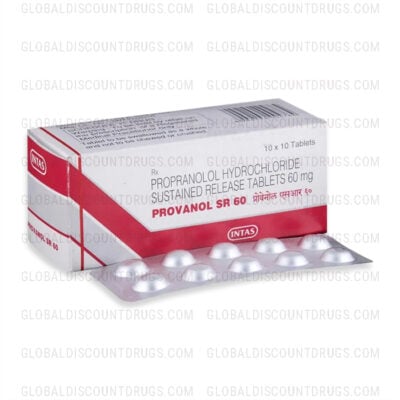

Clonidine
In StockClonidine is a prescription medicine used to treat high blood pressure (hypertension) and may also be prescribed for certain conditions involving the nervous system, such as attention-related disorders or withdrawal symptoms. It works by stimulating specific receptors in the brain that reduce nerve signals controlling blood vessel tension, helping lower blood pressure and heart workload. Use as directed on the product label or by a healthcare professional.

What is Clonidine?
Clonidine is a prescription medication used to treat high blood pressure and certain other medical conditions. It belongs to a class of medicines called centrally acting alpha-2 adrenergic agonists.
Drug Class
Alpha-2 adrenergic agonist (central acting antihypertensive)
Approved Uses
Clonidine is commonly prescribed for:
- High blood pressure (hypertension)
- Attention-deficit/hyperactivity disorder (ADHD) (extended-release form)
- Management of withdrawal symptoms (such as opioid withdrawal)
- Certain pain or anxiety-related conditions (in selected cases under specialist supervision)
Available Formulations and Strengths
Clonidine is available in:
- Oral tablets (immediate-release)
- Extended-release tablets
- Transdermal patch (applied to the skin)
Tablet strengths may include:
Patches are available in different weekly delivery strengths.
The specific form and strength depend on the condition being treated.
What is the Recommended Dosage of Clonidine?
Clonidine dosing varies based on:
- The condition being treated
- Age
- Body weight (especially in children with ADHD)
- Kidney function
- Response to treatment
It may be taken once or multiple times daily depending on the formulation. The transdermal patch is typically changed once weekly.
Important Dosing Principles
- Treatment often starts at a low dose.
- Doses are increased gradually if needed.
- Blood pressure and heart rate must be monitored.
- Clonidine must not be stopped suddenly, as this may cause a rapid rise in blood pressure (rebound hypertension).
Exact dosing must follow specialist instructions. Never adjust or stop the medication without medical supervision.
How Clonidine Works
Clonidine works by stimulating alpha-2 receptors in the brain. These receptors help control signals that regulate blood pressure and heart rate.
When clonidine activates these receptors:
- The brain sends fewer signals that tighten blood vessels.
- Blood vessels relax.
- Heart rate may slow.
- Blood pressure decreases.
In ADHD, clonidine may help regulate certain brain pathways involved in attention and impulse control.
Clonidine helps manage symptoms but does not cure high blood pressure or ADHD.
Is a Prescription Required to Buy Clonidine Online?
Yes. Clonidine is a prescription-only medication.
It should be prescribed and monitored by a licensed medical specialist, such as:
- A cardiologist (for blood pressure)
- A primary care physician
- A psychiatrist or pediatric specialist (for ADHD)
- An addiction medicine specialist (for withdrawal management)
Patients should:
- Purchase only from licensed pharmacies
- Avoid websites selling it without a prescription
- Avoid counterfeit or improperly labeled products
Improper use may result in serious blood pressure or heart complications.
Side Effects of Clonidine
Like all medications, clonidine may cause side effects.
Common Side Effects
These are often mild:
- Drowsiness
- Dry mouth
- Dizziness
- Fatigue
- Constipation
- Headache
With the patch:
- Skin irritation at the application site
Serious Side Effects
Although less common, serious effects may include:
- Very low blood pressure
- Slow heart rate
- Fainting
- Severe rebound hypertension if stopped abruptly
- Depression or mood changes
Seek immediate medical attention if you experience:
- Chest pain
- Severe dizziness or fainting
- Irregular heartbeat
- Severe headache after stopping the medication
Drug Interactions
Clonidine may interact with several medications.
Major Interaction Categories
- Other blood pressure medications
- Beta-blockers
- Sedatives or sleep medications
- Antidepressants
- Alcohol
Over-the-Counter (OTC) Products
Some cold and allergy medications may affect blood pressure and heart rate.
Supplements and Herbal Products
- Sedating herbal products
- Blood pressure supplements
Provide your licensed medical specialist with a complete list of:
- Prescription drugs
- OTC medications
- Vitamins
- Herbal supplements
This helps prevent harmful interactions.
Safety & Important Considerations
Kidney Disease
Dose adjustments may be needed in patients with kidney impairment.
Heart Conditions
Patients with slow heart rate, heart block, or coronary artery disease require careful monitoring.
Pregnancy and Breastfeeding
The risks and benefits must be evaluated by a specialist. Clonidine can pass into breast milk.
Children and Older Adults
- Extended-release clonidine is approved for ADHD in children (under specialist supervision).
- Older adults may be more sensitive to low blood pressure and dizziness.
Monitoring Requirements
Patients may require:
- Blood pressure checks
- Heart rate monitoring
- Periodic medical review
Do not stop clonidine suddenly. Tapering under supervision is required.
Who This Medication Is For
Clonidine is typically prescribed for:
- Adults with high blood pressure
- Children and adolescents with ADHD (extended-release form)
- Patients undergoing withdrawal management
- Selected patients with certain pain or autonomic conditions
Use depends on individual medical assessment.
Who Should Not Take Clonidine
Clonidine should not be used in patients who:
- Are allergic to clonidine
- Have severe low blood pressure without monitoring
- Have certain heart conduction disorders (without specialist supervision)
Precautions are required for patients with:
- Depression
- Kidney disease
- Heart rhythm disorders
A complete clinical evaluation is necessary before starting treatment.
What to Do If You Miss a Dose
If you miss a tablet dose:
- Take it as soon as you remember.
- Skip it if it is almost time for the next dose.
- Do not double the dose.
If using a patch:
- Apply a new patch as soon as possible.
- Resume your regular weekly schedule.
If unsure, contact your licensed medical specialist for guidance.
Related medications to Clonidine
Alternative treatments depend on the condition being treated.
For hypertension:
For ADHD:
Switching medications requires specialist consultation and monitoring.
Storage Instructions:
Tablets:
- Store at room temperature.
- Keep away from moisture and heat.
- Keep in the original container.
Transdermal patches:
- Store in protective packaging until use.
- Dispose of used patches safely.
- Keep away from children and pets.
Do not use expired medication.
Disclaimer:
This page is for educational purposes only. It is not a substitute for professional medical advice, diagnosis, or treatment. Patients must consult a licensed cardiologist, primary care physician, psychiatrist, or relevant medical specialist before starting, changing, or stopping treatment. Treatment decisions must be based on a full clinical evaluation by a qualified specialist.
Prescription Required (Rx) to Buy?
This medication is not available over the counter. A valid prescription from a licensed healthcare
professional is required. Always consult your doctor before use.