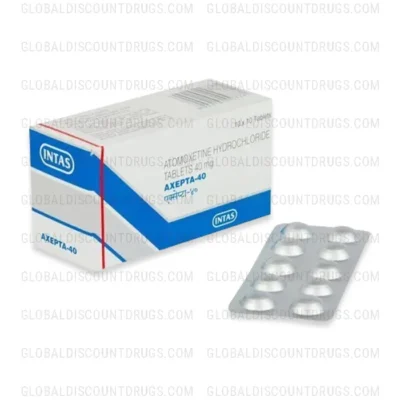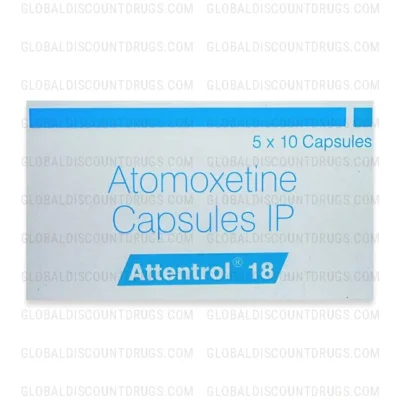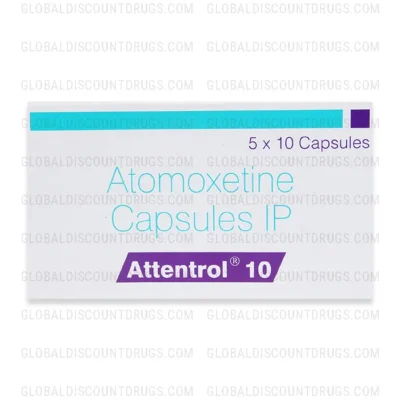

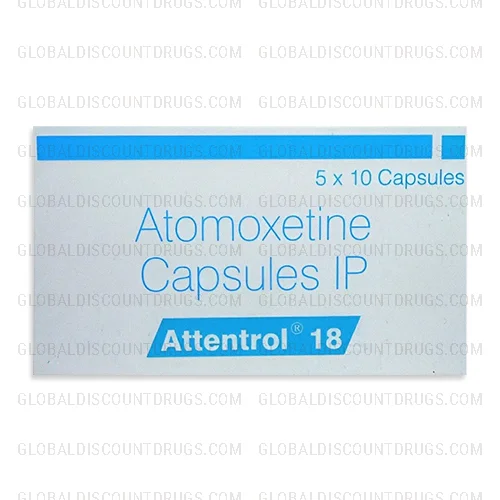
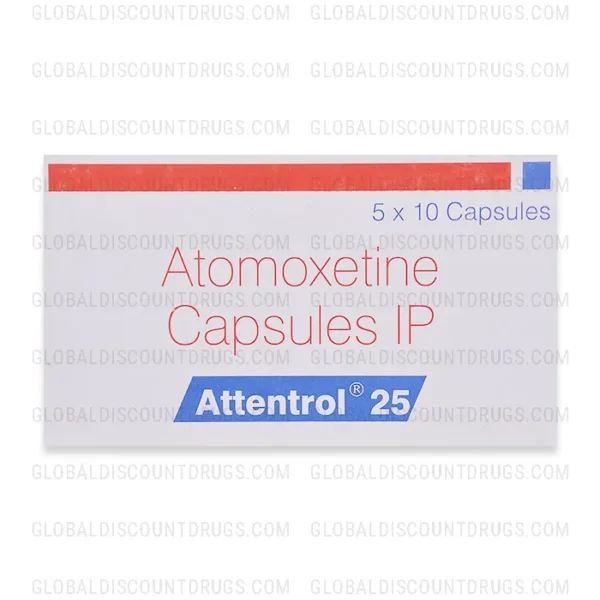
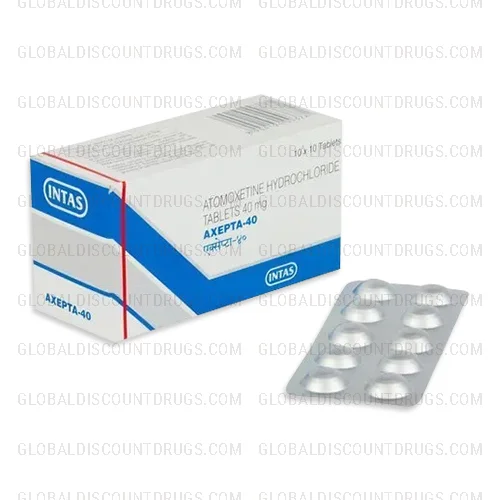
Atomoxetine
In StockAtomoxetine is a highly selective norepinephrine reuptake inhibitor (SNRI) used in the treatment of Attention-Deficit/Hyperactivity Disorder (ADHD) in children, adolescents, and adults. Unlike traditional stimulants, it is a non-stimulant medication that works by increasing the concentration of norepinephrine in the brain. This results in improved attention, reduced impulsivity, and better focus over time. Atomoxetine offers a valuable, non-addictive option for managing complex neurobehavioral symptoms.

What Is Atomoxetine?
Atomoxetine is a prescription medication that belongs to a class of drugs called selective norepinephrine reuptake inhibitors (SNRIs). Unlike many other ADHD medications, atomoxetine is a non-stimulant and is not a controlled substance.
Approved use:
- Treatment of attention-deficit/hyperactivity disorder (ADHD) in adults and children age 6 and older
Available formulations include:
- Oral capsules (commonly 10 mg, 18 mg, 25 mg, 40 mg, 60 mg, 80 mg, and 100 mg strengths)
- Oral solution
Atomoxetine is generally used as part of a broader treatment plan for ADHD that may include behavioral, educational, and psychosocial strategies.
What Is the Recommended Dosage of Atomoxetine?
Dosage depends on several factors, including:
- Age (dosing differs between children and adults)
- Body weight, particularly in children and adolescents under a certain weight threshold
- Liver function, since atomoxetine requires dose reduction in patients with liver impairment
- How the body metabolizes the medication, since some individuals process atomoxetine more slowly, which can affect the appropriate dose
- Response to treatment, since doses are often adjusted gradually over several weeks
Available dosage forms include oral capsules and an oral solution.
Dosing typically starts at a lower amount and is increased gradually over the first several weeks, based on body weight in children and standard dosing in adults, until an effective and well-tolerated dose is reached. Atomoxetine may take two to four weeks to show its full effect. Because appropriate dosing depends heavily on age, weight, liver function, and individual metabolism, patients should always follow the specific plan set by their prescribing specialist.
How Atomoxetine Works
Atomoxetine works by blocking the reabsorption (reuptake) of norepinephrine, a brain chemical involved in attention, focus, and impulse control, allowing more of it to remain active in the brain.
- By increasing norepinephrine activity, atomoxetine may help improve attention span, reduce impulsivity, and support better behavioral control in people with ADHD.
- Unlike stimulant medications, atomoxetine does not directly increase dopamine in the brain’s reward pathways in the same way, which is part of why it is not considered to have abuse potential.
Atomoxetine helps manage symptoms of ADHD; it does not cure the underlying condition, and effects typically build gradually over several weeks rather than working immediately.
Is a Prescription Required to Buy Atomoxetine Online?
Yes. Atomoxetine is available only by prescription.
- Patients should consult a psychiatrist, pediatrician, neurologist, or other licensed specialist experienced in ADHD treatment before starting, adjusting, or stopping atomoxetine.
- For children and adolescents, careful evaluation and close monitoring during the early months of treatment are especially important given the medication’s boxed warning (see Section 7).
- Patients should avoid any online source offering atomoxetine without requiring a valid prescription, as such products may be counterfeit or unsafe.
- Only licensed, verified pharmacies should be used to obtain this medication.
Side Effects of Atomoxetine
Common Side Effects
- Nausea or vomiting
- Dry mouth
- Decreased appetite
- Insomnia (trouble sleeping)
- Fatigue
- Headache
- Abdominal pain
- Dizziness
- Constipation
- In children: decreased appetite, weight loss, and vomiting are more commonly reported
Serious Side Effects
- Increased risk of suicidal thoughts and behavior, particularly in children and adolescents, especially during the first few months of treatment or after a dose change
- Liver problems, including rare cases of severe liver injury — signs include yellowing of the skin or eyes, dark urine, unusual fatigue, upper stomach pain, or loss of appetite
- Increased blood pressure and heart rate
- New or worsening aggressive behavior, hostility, or unusual changes in mood or behavior
- New or worsening manic or psychotic symptoms (such as hallucinations or unusual beliefs), particularly in individuals with an underlying but previously undiagnosed bipolar disorder
- Allergic reactions, including swelling of the face, lips, tongue, or throat (angioedema)
- Rare reports of stroke or other cardiovascular events
Seek immediate medical attention for any new or worsening thoughts of self-harm, signs of a severe allergic reaction, signs of liver problems, or a significant change in heart rate, blood pressure, or behavior.
This list is not exhaustive. Report any new or worsening symptoms to a healthcare provider promptly. Family members and caregivers of children and adolescents should closely observe for any changes in mood or behavior, especially during the first few months of treatment.
Drug Interactions
Atomoxetine may interact with:
- MAO inhibitors — atomoxetine should not be used within 14 days of taking an MAO inhibitor, due to the risk of a serious interaction
- Medications that affect the CYP2D6 liver enzyme (such as certain antidepressants), which can raise atomoxetine levels in the body and increase the risk of side effects
- Other medications that affect blood pressure or heart rate, since atomoxetine can also affect these
- Over-the-counter (OTC) medications, including certain cold and decongestant products that can also raise blood pressure or heart rate
- Supplements and herbal products, some of which may affect how the medication is processed by the body
Patients should give their prescribing specialist and pharmacist a complete list of all current medications, OTC products, and supplements before starting atomoxetine.
Safety & Important Considerations
- FDA boxed warning: Atomoxetine carries an FDA boxed warning for increased risk of suicidal thoughts and behavior in children and adolescents 6 years of age and older, particularly during the initial months of treatment or when the dose is changed. Close monitoring by caregivers and healthcare providers is essential during these periods.
- Liver disease: Dose reduction is required for patients with moderate or severe liver impairment, and liver function should be evaluated if any signs of liver problems develop.
- Heart or blood vessel conditions: Atomoxetine is not recommended for patients with certain serious heart or blood vessel problems, or with pheochromocytoma (a specific adrenal gland tumor), as it can raise blood pressure and heart rate.
- Narrow-angle glaucoma: Atomoxetine should not be used in patients with this condition.
- Bipolar disorder screening: Patients should be evaluated for a personal or family history of bipolar disorder before starting treatment, since atomoxetine (like other medications affecting mood-related brain chemistry) may trigger manic symptoms in susceptible individuals.
- Pregnancy: Safety during pregnancy is not well established; use should only occur if a specialist determines the benefits outweigh potential risks.
- Breastfeeding: Should be discussed directly with the prescribing specialist.
- Monitoring requirements: Regular monitoring of blood pressure, heart rate, and liver function may be recommended during treatment.
This information is not exhaustive. Any personal risk factors — particularly related to mental health history, heart health, or liver function — should be discussed directly with the prescribing specialist.
Who This Medication Is For
Atomoxetine is generally prescribed for:
- Children and adolescents age 6 and older diagnosed with ADHD
- Adults diagnosed with ADHD
It may be considered for individuals who prefer a non-stimulant option or for whom stimulant medications are not appropriate, though it is generally considered somewhat less effective than stimulant medications and takes longer to reach its full effect.
Who Should Not Take Atomoxetine
Atomoxetine should not be used by individuals with:
- A known hypersensitivity to atomoxetine or its components
- Current or recent (within the past two weeks) use of an MAO inhibitor
- Narrow-angle (angle-closure) glaucoma
- Pheochromocytoma or a history of this condition
- Severe heart or blood vessel problems that could worsen with increased blood pressure or heart rate
Additional caution or specialist evaluation is needed for patients with:
- A personal or family history of bipolar disorder
- A history of suicidal thoughts or behavior
- Liver impairment
- Existing high blood pressure or heart rate concerns
A full medical and psychiatric history should always be reviewed by the prescribing specialist before starting atomoxetine.
What to Do If You Miss a Dose
- If a dose of atomoxetine is missed, contact the prescribing specialist or pharmacist for specific guidance, as instructions can vary based on the treatment plan.
- Do not take a double dose to make up for a missed one unless specifically instructed to do so.
- If a dose is missed close to the time of the next scheduled dose, do not guess — check with the care team first.
Related medications to Atomoxetine
Depending on individual needs, a specialist may consider other options for managing ADHD, such as:
- Stimulant medications, which are often considered more effective for many patients but carry different risk profiles, including abuse potential
- Other non-stimulant ADHD medications
- Behavioral therapy, educational support, and other non-medication strategies, often used alongside medication
Switching treatments should only be done in consultation with the prescribing specialist, based on a full evaluation of effectiveness, side effects, and individual health needs.
Storage Instructions
- Store capsules and oral solution at room temperature, protected from excess heat and moisture.
- Keep in the original, tightly closed container, away from direct light.
- Keep out of the reach and sight of children and pets.
- Do not use expired medication; consult a pharmacist with any disposal questions.
Disclaimer
This page is for educational purposes only. It is not a substitute for professional medical advice, diagnosis, or treatment. Patients must consult a licensed medical specialist before starting, changing, or stopping atomoxetine. Treatment decisions must be based on a full clinical evaluation by a qualified specialist.
Prescription Required (Rx) to Buy?
This medication is not available over the counter. A valid prescription from a licensed healthcare
professional is required. Always consult your doctor before use.