

Nifedipine
In StockNifedipine is a prescription medicine used to help manage high blood pressure (hypertension) and certain heart conditions such as angina. It belongs to a class of medicines called calcium channel blockers and works by relaxing blood vessels, allowing blood to flow more easily and reducing strain on the heart. Use only as directed on the product label or by a healthcare professional.

What is Nifedipine?
Nifedipine is a prescription medication used to treat certain cardiovascular conditions, particularly those involving high blood pressure and reduced blood flow to the heart. It belongs to a class of medicines known as calcium channel blockers.
These medicines help relax blood vessels, allowing blood to flow more easily and reducing strain on the heart.
Common medical uses include:
Treatment of high blood pressure (hypertension)
Prevention and management of angina (chest pain caused by reduced blood flow to the heart)
Management of certain circulatory conditions, such as Raynaud’s phenomenon in some patients under specialist supervision
Lowering blood pressure helps reduce the risk of complications such as heart attack, stroke, kidney disease, and cardiovascular damage.
Available formulations and strengths
Nifedipine is commonly available as:
- Immediate-release oral capsules
- Extended-release oral tablets
Typical strengths may include:
- Nifedipine 5mg
- Nifedipine 10mg
- Nifedipine XL 30mg
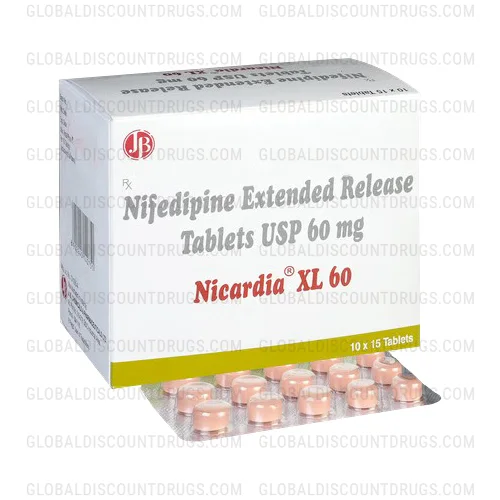
- Nifedipine XL 60mg
- Nifedipine Retard 20mg
- Nifedipine CD Retard 30mg
Extended-release formulations are designed to release the medication slowly over time to maintain consistent blood pressure control.
What is the Recommended Dosage of Nifedipine?
The appropriate dosage of nifedipine must be determined by a licensed healthcare professional, typically a cardiologist, primary care physician, or hypertension specialist.
Dosage varies based on several factors, including:
The condition being treated
- Severity of high blood pressure or angina
- Age and overall health
- Liver function
- Response to treatment
- Other medications being taken
Dosage forms
Nifedipine is available as:
- Immediate-release capsules
- Extended-release tablets
Some formulations are designed for once-daily use, while others may require more frequent dosing.
Patients should follow the exact instructions provided by their healthcare professional. Altering dosage or switching between formulations without medical guidance may affect blood pressure control.
How Nifedipine Works
Nifedipine works by blocking calcium channels in the muscles of the heart and blood vessels.
Calcium normally causes blood vessels to contract. By blocking calcium entry into these muscle cells, nifedipine helps:
- Relax and widen blood vessels
- Improve blood flow
- Reduce blood pressure
- Decrease the heart’s workload
In people with angina, improved blood flow to the heart muscle can help reduce chest pain episodes.
Nifedipine helps control symptoms and manage cardiovascular risk, but it does not cure high blood pressure or heart disease. Long-term management usually includes medication, lifestyle adjustments, and regular medical monitoring.
Is a Prescription Required to Buy Nifedipine Online?
Yes. Nifedipine is a prescription-only medication in most countries.
Patients must consult a licensed healthcare professional, such as:
- A cardiologist
- A primary care physician
- A hypertension specialist
These professionals evaluate blood pressure readings, cardiovascular risk factors, and medical history before prescribing treatment.
When purchasing medications online, patients should:
- Use licensed pharmacies
- Avoid products sold without a valid prescription
- Be cautious of counterfeit or improperly stored medications
- Unregulated medications may be ineffective or unsafe.
Side Effects of Nifedipine
Like all medications, nifedipine may cause side effects. Many are mild and improve as the body adjusts to treatment.
Common Side Effects
Common side effects may include:
- Headache
- Flushing or warmth in the face
- Dizziness or lightheadedness
- Swelling of the ankles or feet
- Fatigue
- Mild nausea
These symptoms often improve with continued use but should be discussed with a healthcare professional if persistent.
Serious Side Effects
Rare but serious side effects may include:
- Very low blood pressure
- Worsening chest pain
- Rapid or irregular heartbeat
- Severe swelling
- Allergic reactions
- Liver-related problems
Patients should seek immediate medical attention if they experience chest pain that worsens, fainting, severe dizziness, or signs of an allergic reaction.
Drug Interactions
Nifedipine may interact with certain medications that affect blood pressure or liver metabolism.
Prescription medications
Examples include:
- Other blood pressure medications
- Certain antibiotics
- Some antifungal medications
- Medications used for heart rhythm disorders
- Certain anti-seizure medications
- Over-the-counter medications
Some OTC medications may influence blood pressure or interact with cardiovascular drugs, including:
- Cold and flu medicines containing decongestants
- Certain pain relievers such as NSAIDs
- Supplements and herbal products
Some supplements may affect blood pressure or drug metabolism, including:
- Herbal cardiovascular supplements
- Stimulant-containing herbal products
Patients should provide a complete list of medications, supplements, and herbal products to their healthcare professional before starting nifedipine.
Safety & Important Considerations
Several precautions should be considered when using nifedipine.
Liver health
Nifedipine is metabolized in the liver. Individuals with liver disease may require dose adjustments or careful monitoring.
Blood pressure monitoring
Regular monitoring of blood pressure and heart rate is important to ensure the medication is working effectively and safely.
Pregnancy
In certain circumstances, nifedipine may be used during pregnancy-related hypertension under specialist supervision. An obstetric specialist evaluates benefits and risks before prescribing.
Age-related considerations
Older adults may be more sensitive to blood pressure–lowering effects and may require careful dose adjustments.
Monitoring
Patients may require periodic medical evaluations, including:
- Blood pressure measurements
- Cardiovascular assessments
- Evaluation of symptoms such as dizziness or swelling
Regular follow-up visits help maintain safe and effective treatment.
Who This Medication Is For
Nifedipine is typically prescribed for adults with cardiovascular conditions involving elevated blood pressure or reduced blood flow to the heart.
It may be appropriate for individuals who:
- Have high blood pressure
- Experience angina
- Require improved blood vessel relaxation to support circulation
A healthcare professional determines suitability based on a complete clinical evaluation.
Who Should Not Take Nifedipine
Nifedipine may not be appropriate for certain individuals.
Contraindications and precautions may include:
- Known allergy to nifedipine or other calcium channel blockers
- Severe low blood pressure
- Certain types of cardiogenic shock
- Severe narrowing of the aortic valve
- Specific heart rhythm disorders in some cases
Patients with complex cardiovascular conditions should consult a healthcare professional before starting treatment.
What to Do If You Miss a Dose
If a dose of nifedipine is missed:
- Take the missed dose as soon as you remember, unless it is close to the next scheduled dose.
- If the next dose is approaching, skip the missed dose.
- Patients should not take two doses at the same time to make up for a missed dose.
If multiple doses are missed or if there is uncertainty about dosing, patients should contact their healthcare professional or pharmacist.
Related medications to Nifedipine
Several medications may be used to manage high blood pressure or angina depending on individual health conditions.
Examples include:
- Amlodipine
- Diltiazem
- Verapamil
- ACE inhibitors such as lisinopril
- Beta blockers such as metoprolol
- Angiotensin receptor blockers (ARBs) such as losartan
Each medication works differently and has unique safety considerations. Changing medications should only occur after consultation with a licensed healthcare professional.
Storage Instructions
Nifedipine should be stored following standard medication safety guidelines.
General storage recommendations include:
- Store at room temperature
- Keep away from excess heat and moisture
- Protect from direct light
- Store tablets or capsules in their original packaging when possible
For safety:
- Keep medication out of reach of children and pets
- Do not use expired medication
- Dispose of unused medication according to pharmacy or local disposal guidance
Disclaimer:
This page is for educational purposes only. The information provided here is not a substitute for professional medical advice, diagnosis, or treatment. Patients must consult a licensed healthcare professional such as a cardiologist, hypertension specialist, or primary care physician before starting, changing, or stopping treatment with nifedipine. All treatment decisions should be based on a complete clinical evaluation conducted by a qualified medical specialist.
Prescription Required (Rx) to Buy?
This medication is not available over the counter. A valid prescription from a licensed healthcare
professional is required. Always consult your doctor before use.