


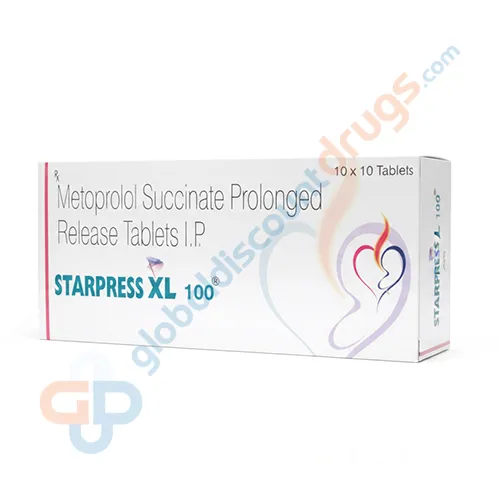
Metoprolol
In StockMetoprolol is a prescription medicine used to help manage high blood pressure, angina, and certain heart rhythm disorders. It belongs to the beta-blocker class and works by blocking beta-adrenergic receptors in the heart, helping slow heart rate and reduce cardiac workload. This action supports improved blood pressure control and cardiovascular function. Use only as directed on the product label or by a healthcare professional.

What is Metoprolol?
Metoprolol is a prescription medication used to treat several heart and blood pressure conditions. It belongs to a group of medicines called beta-blockers, which reduce the effects of stress hormones on the heart.
Healthcare professionals commonly prescribe metoprolol to manage cardiovascular conditions such as Hypertension, Angina, and Heart failure.
Common Uses
Metoprolol may be prescribed to:
- Lower high blood pressure
- Reduce chest pain related to heart disease
- Improve symptoms of heart failure
- Help control abnormal heart rhythms
Reduce the risk of complications after a Myocardial infarction
Available Formulations and Strengths
Metoprolol is available in two main forms:
- Metoprolol tartrate – immediate-release tablets
- Metoprolol succinate – extended-release tablets
Common strengths may include:
- Metoprolol 25mg
- Metoprolol 50mg
- Metoprolol 100mg
- Metoprolol XL 25mg
- Metoprolol XL 50mg
- Metoprolol XL 100mg
The prescribing healthcare professional determines the most appropriate formulation and strength.
What is the Recommended Dosage of Metoprolol?
The correct dosage of metoprolol varies depending on the medical condition being treated and the patient’s individual health status.
Factors influencing dosage
Healthcare providers may consider:
- Type and severity of cardiovascular condition
- Patient age
- Heart rate and blood pressure
- Liver function
- Response to treatment
- Dosage Forms
Metoprolol is available as:
- Immediate-release oral tablets
- Extended-release oral tablets
Important dosing guidance
Immediate-release tablets are typically taken one or more times daily.
Extended-release tablets are usually taken once daily.
Tablets may be taken with or immediately after meals as directed.
Treatment should follow instructions provided by a licensed cardiologist or healthcare provider. Patients should not stop the medication suddenly without medical supervision.
How Metoprolol Works
Metoprolol works by blocking beta-1 adrenergic receptors in the heart.
These receptors respond to stress hormones such as adrenaline, which normally increase heart rate and blood pressure.
By blocking these signals, metoprolol helps:
- Slow the heart rate
- Reduce the force of heart contractions
- Lower blood pressure
- Decrease the heart’s oxygen demand
These effects can help relieve symptoms of heart disease and improve cardiovascular function. The medication helps manage heart conditions but does not cure the underlying disease.
Is a Prescription Required to Buy Metoprolol Online?
Yes. Metoprolol is a prescription-only medication.
Patients must obtain a prescription from a licensed healthcare professional such as a:
- Cardiology specialist
- Primary care physician managing cardiovascular conditions
- Safe purchasing practices
Patients should:
- Buy medication only from licensed pharmacies
- Avoid websites selling prescription medicines without a valid prescription
- Be cautious of counterfeit cardiovascular medications
- Proper medical evaluation and monitoring are required during treatment.
Side Effects of Metoprolol
Like many cardiovascular medications, metoprolol may cause side effects.
Common Side Effects
Possible mild side effects include:
- Fatigue
- Dizziness
- Slow heart rate
- Cold hands or feet
- Mild digestive discomfort
These symptoms may improve as the body adjusts to treatment.
Serious Side Effects
Rare but serious reactions may include:
- Severe low blood pressure
- Extremely slow heart rate
- Shortness of breath or worsening symptoms of heart failure
- Fainting or severe dizziness
Patients should seek immediate medical attention if serious symptoms occur.
Drug Interactions
Metoprolol may interact with several medications that affect heart rhythm or blood pressure.
Possible interaction categories
- Other blood pressure medications
- Heart rhythm medications
- Certain antidepressants
- Over-the-counter medicines and supplements
Patients should inform their healthcare provider about:
- OTC medications
- Herbal supplements
- Cold and cough medicines
- Vitamins
Providing a complete medication list helps healthcare providers prevent harmful interactions.
Safety & Important Considerations
Certain medical conditions require careful monitoring during treatment with metoprolol.
Heart Conditions
Patients with certain heart rhythm disorders may require specialized monitoring.
Respiratory Conditions
People with conditions such as Asthma or Chronic obstructive pulmonary disease should inform their healthcare provider before using beta-blockers.
Diabetes
Metoprolol may mask symptoms of Hypoglycemia, so patients with diabetes should monitor blood sugar carefully.
Pregnancy and Breastfeeding
Patients who are pregnant or breastfeeding should consult their healthcare provider before starting treatment.
Monitoring Requirements
Healthcare providers may monitor:
- Blood pressure
- Heart rate
- Symptoms of heart disease
Regular medical follow-up is important during treatment.
Who This Medication Is For
Metoprolol is typically prescribed for patients with cardiovascular conditions such as:
- High blood pressure
- Angina
- Heart failure
- Abnormal heart rhythms
Recovery following a heart attack
Treatment decisions are based on clinical evaluation and cardiovascular risk assessment.
Who Should Not Take Metoprolol
Certain individuals should avoid this medication unless advised by a healthcare provider.
Contraindications
Metoprolol should generally not be used in patients who have:
- Severe bradycardia (very slow heart rate)
- Certain types of heart block without a pacemaker
- Known allergy to metoprolol
Warnings & Precautions
Patients with the following conditions should discuss risks with their healthcare provider:
- Severe asthma or lung disease
- Liver disease
- Circulatory disorders
A medical evaluation is necessary before starting treatment.
What to Do If You Miss a Dose
If a dose of metoprolol is missed:
- Take the missed dose as soon as you remember.
- If it is nearly time for the next dose, skip the missed dose.
- Do not take two doses at the same time.
Patients unsure about dosing should contact their healthcare provider.
Related medications to Metoprolol
Other medications used to manage cardiovascular conditions may include:
The choice of treatment depends on the patient’s specific heart condition and overall health status.
Storage Instructions
To maintain medication safety:
- Store tablets at room temperature.
- Keep away from moisture and direct sunlight.
- Store in the original packaging.
- Keep out of reach of children and pets.
Follow pharmacy guidance for proper disposal of unused medication.
Disclaimer:
This page is provided for educational purposes only and is not a substitute for professional medical advice, diagnosis, or treatment. Patients should consult a licensed cardiologist or qualified healthcare professional before starting, changing, or stopping Metoprolol therapy. All treatment decisions must be based on a complete clinical evaluation and individualized medical assessment performed by a qualified specialist.
Prescription Required (Rx) to Buy?
This medication is not available over the counter. A valid prescription from a licensed healthcare
professional is required. Always consult your doctor before use.