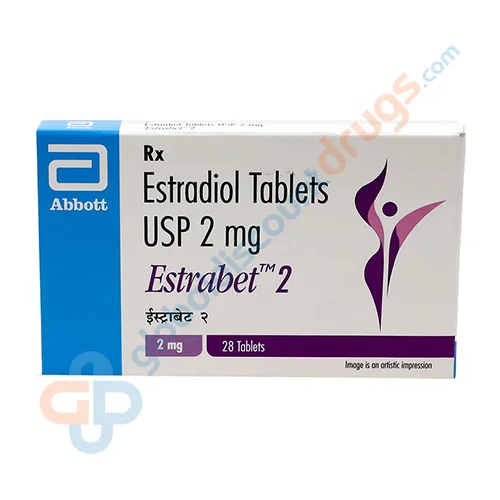
Estradiol
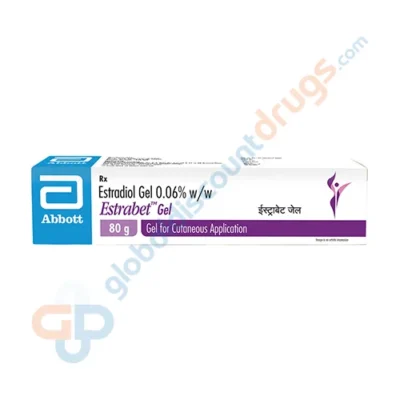
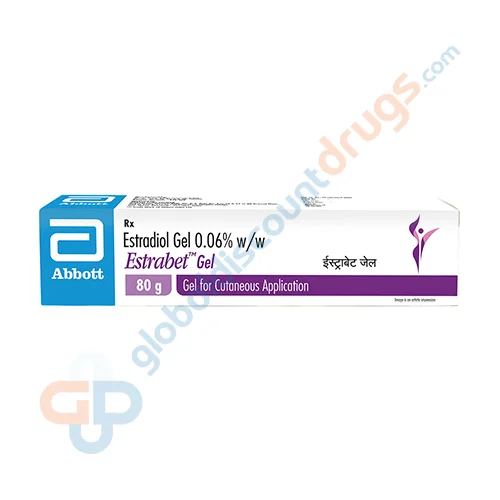
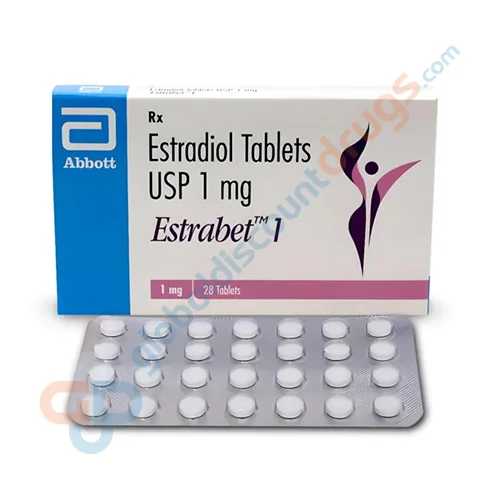
In StockEstradiol is a prescription medicine used to manage menopause symptoms, estrogen deficiency, and certain hormone-related conditions. It works by providing estrogen, a hormone that helps regulate many functions in the female body, including reproductive and bone health. Restoring estrogen levels can help reduce symptoms such as hot flashes and hormonal imbalance. Use as directed on the product label or by a healthcare professional.

What is Estradiol?
Estradiol is a form of the hormone estrogen. It is the primary female sex hormone produced by the ovaries. Estradiol belongs to a class of medications known as estrogen hormone therapies.
It is prescribed to treat conditions related to low estrogen levels, including:
Menopausal symptoms (hot flashes, night sweats, vaginal dryness)
Prevention of postmenopausal osteoporosis
Certain menstrual disorders
Ovarian failure or hormone deficiency
Genderaffirming hormone therapy (under specialist care)
Palliative treatment of certain hormonesensitive cancers (in specific cases)
Available Forms and Strengths
Estradiol is available in several formulations:
Oral tablets
Transdermal patches
Topical gels and sprays
Vaginal creams
Vaginal tablets or rings
Injectable forms (in specific clinical settings)
Strengths vary depending on the formulation and intended use.
What is the Recommended Dosage of Estradiol?
The dosage of estradiol varies based on:
The condition being treated
Age
Whether the patient has a uterus
Risk factors (such as blood clot risk)
Liver function
Overall health profile
For example:
Menopausal symptom treatment may use lowdose oral or patch therapy
Vaginal formulations are typically used for local symptoms
Genderaffirming therapy requires specialistmanaged dosing
Cancerrelated use requires oncologist supervision
Estradiol must be prescribed and monitored by a licensed medical specialist. The lowest effective dose for the shortest appropriate duration is generally recommended for menopausal treatment.
Do not change the dose without medical guidance.
How Estradiol Works
Estradiol replaces or supplements estrogen in the body.
Estrogen helps regulate:
The menstrual cycle
Bone strength
Vaginal and urinary tissue health
Temperature regulation
Certain aspects of mood
When estrogen levels drop—such as during menopause—symptoms may develop. Estradiol helps reduce these symptoms by restoring hormone levels.
It manages symptoms and hormone deficiency but does not stop the natural aging process or cure underlying conditions.
Is a Prescription Required to Buy Estradiol Online?
Yes. Estradiol is a prescriptiononly medication.
Patients should consult a licensed medical specialist before starting therapy. This may include:
A gynecologist
An endocrinologist
A primary care physician
An oncologist (for cancerrelated use)
Hormone therapy requires medical evaluation, including review of personal and family history of blood clots, stroke, heart disease, or certain cancers.
Avoid purchasing estradiol from unlicensed sources. Counterfeit or improperly stored hormone products may be unsafe.
Always obtain medication from a licensed pharmacy.
Side Effects of Estradiol
Estradiol can cause side effects. Risk varies based on dose, formulation, and patient factors.
Common Side Effects
Breast tenderness
Nausea
Headache
Bloating
Mild fluid retention
Vaginal spotting or bleeding
These effects may improve over time.
Serious Side Effects
Rare but serious risks include:
Blood clots (deep vein thrombosis or pulmonary embolism)
Stroke
Heart attack
Increased risk of certain cancers (such as breast or endometrial cancer, depending on use)
Severe allergic reactions
Seek immediate medical attention if there is:
Chest pain
Sudden shortness of breath
Leg swelling or pain
Sudden vision changes
Severe headache
Unusual vaginal bleeding
Risk depends on individual health history.
Drug Interactions
Estradiol may interact with:
Prescription Medications
Certain anticonvulsants
Rifampin and other antibiotics
Some HIV medications
Thyroid medications
Blood thinners
OvertheCounter (OTC) Medications
Some herbal supplements and OTC drugs may affect hormone levels.
Supplements and Herbal Products
St. John’s wort
Soybased supplements
Certain herbal hormone products
Patients must provide a complete list of all medications and supplements to their licensed medical specialist.
Safety & Important Considerations
Risk of Blood Clots
Patients with a history of blood clots, stroke, or certain clotting disorders require careful evaluation.
Uterine Safety
Women with a uterus may require progesterone along with estradiol to reduce the risk of endometrial cancer.
Breast Cancer Risk
Hormone therapy may increase the risk of breast cancer in some patients. Regular screening is important.
Pregnancy
Estradiol should not be used during pregnancy.
Breastfeeding
Consult a licensed medical specialist before use while breastfeeding.
Monitoring
Regular followup may include:
Blood pressure checks
Breast exams and mammograms
Pelvic exams
Bone density testing (if used for osteoporosis prevention)
Who This Medication Is For
Estradiol is typically prescribed for:
Postmenopausal individuals with moderate to severe symptoms
Patients with diagnosed estrogen deficiency
Individuals undergoing medically supervised hormone therapy
Patients requiring specific cancerrelated hormonal treatment
Use must be based on clinical evaluation.
Who Should Not Take Estradiol
Estradiol is generally contraindicated in individuals who:
Have active or past blood clot disorders
Have estrogendependent cancers (unless directed by an oncologist)
Have unexplained vaginal bleeding
Have active liver disease
Are pregnant
Patients with high cardiovascular risk require careful medical review.
What to Do If You Miss a Dose
For oral tablets:
Take the missed dose as soon as remembered
If close to the next dose, skip the missed dose
Do not double the dose
For patches:
Apply a new patch as soon as possible
Follow the regular schedule afterward
If unsure, contact a licensed medical specialist.
Alternatives to Estradiol
Alternative therapies depend on the condition being treated:
Other estrogen formulations
Combined estrogenprogestin therapies
Nonhormonal medications for hot flashes
Selective estrogen receptor modulators (SERMs)
Bisphosphonates for osteoporosis
Switching therapy requires specialist supervision.
Storage Instructions
Store at room temperature
Protect from moisture and direct light
Keep patches and gels sealed until use
Keep out of reach of children
Dispose of used patches safely to prevent accidental exposure.
Disclaimer:
Educational Purpose Only:
This page is for educational purposes only. It is not a substitute for professional medical advice, diagnosis, or treatment.
Patients must consult a licensed gynecologist, endocrinologist, oncologist, or other qualified medical specialist before starting, changing, or stopping treatment.
Treatment decisions must be based on a full clinical evaluation by a qualified specialist.
Prescription Required (Rx) to Buy?
This medication is not available over the counter. A valid prescription from a licensed healthcare
professional is required. Always consult your doctor before use.