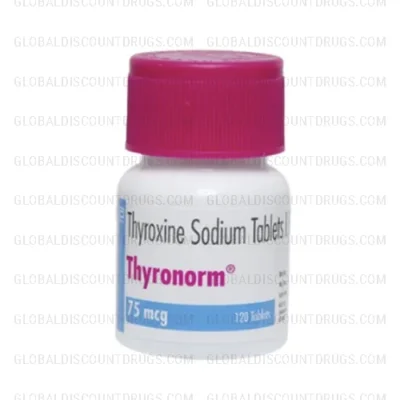
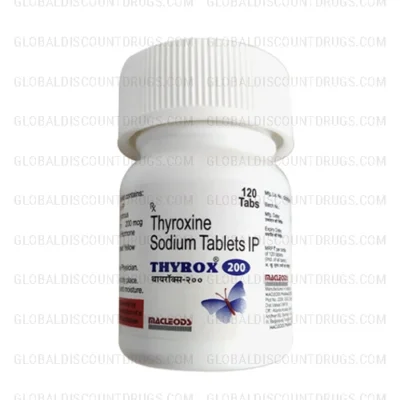
Levothyroxine
In StockLevothyroxine is a prescription medicine used to treat hypothyroidism, a condition where the thyroid gland does not produce enough thyroid hormone. It works by replacing the hormone thyroxine (T4), helping restore normal hormone levels that regulate metabolism, energy, and body functions. This supports healthy growth and metabolic balance. Use as directed on the product label or by a healthcare professional.

What is Levothyroxine?
Levothyroxine is a synthetic (manmade) form of the thyroid hormone thyroxine (T4). It belongs to a class of medicines called thyroid hormone replacements.
It is prescribed to treat conditions where the thyroid gland does not produce enough hormone.
Approved and Common Uses
Levothyroxine is used to treat:
- Hypothyroidism (underactive thyroid)
- Thyroid hormone deficiency after thyroid surgery
- Thyroid hormone deficiency after radioactive iodine therapy
- Certain cases of goiter (enlarged thyroid)
As part of treatment for some thyroid cancers (to suppress thyroidstimulating hormone, or TSH)
Available Formulations and Strengths
Levothyroxine is available as:
- Oral tablets (multiple strengths)
- Oral capsules (in some regions)
- Oral liquid solution
- Intravenous (IV) injection (used in hospital settings)
It comes in many strengths to allow precise dosing adjustments.
What is the Recommended Dosage of Levothyroxine?
The correct dose of levothyroxine varies from person to person.
Dosage depends on:
- The condition being treated
- Age
- Body weight
- Heart health
- Kidney or liver function
- Pregnancy status
- Lab test results (especially TSH levels)
Important Points About Dosing
- Dosing is individualized.
- It is usually taken once daily.
It is commonly taken on an empty stomach, typically 30–60 minutes before breakfast.
Blood tests are required to adjust the dose safely.
Dosing must follow instructions from a licensed endocrinologist or other qualified medical specialist. Patients should not adjust their dose without medical guidance.
How Levothyroxine Works
The thyroid gland produces hormones that control metabolism. These hormones affect:
- Heart rate
- Body temperature
- Energy levels
- Brain function
- Growth and development
Levothyroxine replaces the missing thyroid hormone in people whose thyroid gland does not produce enough.
It restores normal hormone levels in the body.
It manages hypothyroidism but does not cure the underlying cause in most cases. Many people require longterm or lifelong treatment.
Is a Prescription Required to Buy Levothyroxine Online?
Yes. Levothyroxine is a prescriptiononly medication in most countries.
Because it directly affects hormone levels, improper dosing can lead to serious health problems.
Patients should consult a licensed:
- Endocrinologist
- Primary care physician
- Pediatric specialist (for children)
Avoid purchasing:
- Unverified online products
- Counterfeit medications
- Veterinary thyroid products
Levothyroxine should only be obtained from licensed and regulated pharmacies.
Side Effects of Levothyroxine
When taken at the correct dose, most people tolerate levothyroxine well.
Side effects usually occur when the dose is too high.
Common Side Effects (Often DoseRelated)
- Fast heartbeat
- Nervousness
- Sweating
- Weight loss
- Headache
- Trouble sleeping
- Shaking (tremors)
These symptoms may suggest excess thyroid hormone.
Serious Side Effects
Seek immediate medical attention if you experience:
- Chest pain
- Irregular heartbeat
- Severe shortness of breath
- Seizures
- Severe anxiety or confusion
Longterm overtreatment may increase the risk of:
- Bone thinning (osteoporosis)
- Heart rhythm problems
- Monitoring with blood tests helps reduce these risks.
Drug Interactions
Levothyroxine interacts with several medications and supplements.
Major Interaction Categories
1. Medications that reduce absorption:
- Calcium supplements
- Iron supplements
- Antacids containing aluminum or magnesium
- Cholesterollowering drugs (such as bile acid sequestrants)
2. Medications that affect thyroid levels:
- Certain antidepressants
- Seizure medications
- Estrogencontaining products
3. Blood thinners:
Levothyroxine may increase the effects of anticoagulants.
- Supplements and Herbal Products
- Soy products
- Highfiber supplements
- Certain herbal preparations
Patients should provide a full list of:
- Prescription medications
- Overthecounter (OTC) drugs
- Vitamins
- Herbal supplements
to their licensed medical specialist.
Safety & Important Considerations
Heart Disease
Patients with heart disease may need lower starting doses. Thyroid hormone increases heart workload.
Pregnancy
Levothyroxine is generally considered safe in pregnancy and is often necessary. Untreated hypothyroidism can harm both mother and baby. Dose adjustments are commonly required.
Breastfeeding
Levothyroxine is usually safe during breastfeeding when taken as prescribed.
Children and Infants
Thyroid hormone is critical for brain development. Proper dosing and monitoring are essential.
Elderly Patients
Older adults may require lower initial doses to reduce heartrelated risks.
Monitoring Requirements
Regular blood tests (TSH levels) are required to:
- Confirm proper dosing
- Avoid under or overtreatment
- Patients should attend all scheduled lab appointments.
Who This Medication Is For
Levothyroxine is typically prescribed for:
- Adults with hypothyroidism
- Children with congenital or acquired thyroid deficiency
- Patients after thyroid removal
- Patients treated for thyroid cancer
- Individuals with goiter related to hormone deficiency
It is used when laboratory tests confirm low thyroid hormone levels.
Who Should Not Take Levothyroxine
Levothyroxine should not be used in patients with:
- Untreated adrenal insufficiency
- Untreated thyrotoxicosis (excess thyroid hormone)
- Known allergy to levothyroxine components
Caution is required in patients with:
- Heart disease
- Osteoporosis
- Severe longstanding hypothyroidism
Medical supervision is necessary before starting treatment
What to Do If You Miss a Dose
If you miss a dose:
- Take it as soon as you remember, unless it is close to the next dose.
- Do not double the dose.
- Resume your regular schedule the next day.
If multiple doses are missed, contact your licensed medical specialist for guidance.
Related medications to Levothyroxine
Other thyroid hormone therapies include:
- Liothyronine (T3)
- Combination T4/T3 products
- Desiccated thyroid extract (animalderived)
These alternatives may be used in select cases. Treatment changes must be supervised by an endocrinologist. Selfswitching medications is not recommended.
Storage Instructions
- Store at room temperature.
- Keep away from heat and moisture.
- Protect from light.
- Keep in original packaging until use.
- Keep out of reach of children.
- Avoid storing in bathrooms or humid areas.
Learn More About Levothyroxine
The amount paid for levothyroxine can differ based on the prescribed strength, quantity, and available pricing options. Read How Much Does Levothyroxine Cost Without Insurance? for a detailed explanation.
Disclaimer:
This page is for educational purposes only. It is not a substitute for professional medical advice, diagnosis, or treatment.Patients must consult a licensed endocrinologist or qualified medical specialist before starting, changing, or stopping levothyroxine therapy.All treatment decisions must be based on a full clinical evaluation by a qualified specialist.
Prescription Required (Rx) to Buy?
This medication is not available over the counter. A valid prescription from a licensed healthcare
professional is required. Always consult your doctor before use.