

Liothyronine
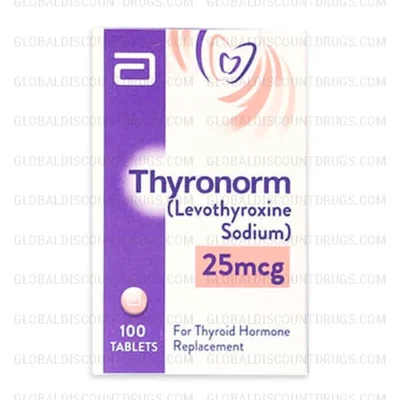
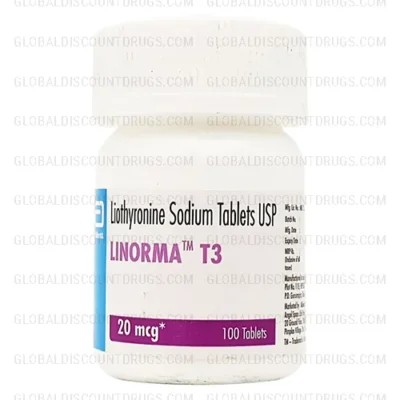
In StockLiothyronine is a prescription medicine used to treat hypothyroidism, a condition where the thyroid gland does not produce enough thyroid hormone. It provides a synthetic form of triiodothyronine (T3), helping restore normal hormone levels that regulate metabolism, energy, and body functions. This supports improved thyroid hormone balance. Use as directed on the product label or by a healthcare professional.

What is Liothyronine?
Liothyronine is a prescription medication used to treat certain thyroid hormone disorders. It is a synthetic form of triiodothyronine (T3), one of the natural hormones produced by the thyroid gland. Liothyronine belongs to the drug class called thyroid hormones.
It is prescribed when the body does not produce enough thyroid hormone or when additional hormone support is needed.
Approved and common uses
Liothyronine may be prescribed for:
- Hypothyroidism (underactive thyroid)
- Myxedema coma (a severe and life-threatening form of hypothyroidism)
- Thyroid hormone replacement therapy in certain patients
- TSH suppression therapy in some thyroid cancer management plans
- Diagnostic testing for certain thyroid conditions in specialized settings
Available formulations and strengths
Liothyronine is available in the following forms:
Oral tablets
Injectable formulations used in hospital settings
Tablet strengths vary depending on manufacturer and region. Treatment plans are individualized based on the patient’s hormone levels and medical condition.
What is the Recommended Dosage of Liothyronine?
The appropriate dosage of liothyronine varies widely and must be determined by a licensed medical specialist.
Factors influencing dosage
Doctors determine dosing based on:
- The type and severity of thyroid disorder
- Age
- Body weight
- Heart health
- Other medications
- Laboratory thyroid hormone levels
Because thyroid hormones affect many organs, dosage adjustments are often made gradually.
Available dosage forms
Liothyronine may be administered as:
- Oral tablets taken by mouth
- Intravenous injections in hospital settings for emergency treatment
- Regular monitoring of thyroid function tests is typically required to ensure safe and effective dosing.
How Liothyronine Works
Liothyronine replaces or supplements the hormone triiodothyronine (T3), which is normally produced by the thyroid gland.
Thyroid hormones regulate many important functions in the body, including:
- Metabolism
- Energy production
- Heart rate
- Body temperature
- Brain development and nervous system function
When thyroid hormone levels are too low, the body’s processes slow down. Liothyronine helps restore normal hormone levels, which helps the body return to a healthier metabolic balance.
The medication helps manage symptoms of thyroid hormone deficiency, but treatment often requires long-term medical supervision.
Is a Prescription Required to Buy Liothyronine Online?
Yes. Liothyronine is a prescription-only medication in most countries.
Because thyroid hormone therapy must be carefully monitored, patients should only use this medication under the supervision of a licensed medical specialist, such as:
- Endocrinologist
- Primary care physician
- Internal medicine specialist
Patients purchasing medications online should:
- Use licensed and regulated pharmacies
- Avoid counterfeit medications
- Avoid purchasing thyroid hormones without medical supervision
- Improper thyroid hormone dosing can lead to serious health risks.
Side Effects of Liothyronine
Side effects often occur when the dose is higher than the body requires. Many symptoms resemble excess thyroid hormone levels.
Common Side Effects
Possible common effects include:
- Increased heart rate
- Nervousness or anxiety
- Sweating
- Headache
- Trouble sleeping
- Weight loss
- Increased appetite
- These symptoms may indicate that the dose requires adjustment.
Serious Side Effects
Rare but serious side effects may occur.
These include:
- Chest pain
- Irregular heartbeat
- Severe shortness of breath
- Fainting
- Severe headache or confusion
Immediate medical attention is required if these symptoms occur.
Drug Interactions
Liothyronine may interact with a variety of medications that influence hormone metabolism or heart function.
Prescription medication interactions
Potential interactions may occur with:
- Certain heart medications
- Antidepressants
- Blood thinners
- Some seizure medications
- Certain diabetes medications
- Over-the-counter medications
Some OTC products may interfere with thyroid hormone absorption, including:
- Antacids
- Calcium supplements
- Iron supplements
- Supplements and herbal products
- Certain supplements may influence thyroid hormone levels or metabolism.
Patients should provide their healthcare professional with a complete list of all medications and supplements before starting liothyronine.
Safety & Important Considerations
Several important safety factors should be considered before taking liothyronine.
Heart disease
Thyroid hormones can increase heart workload. Patients with heart disease may require careful monitoring and lower starting doses.
Pregnancy and breastfeeding
Thyroid hormone therapy may be necessary during pregnancy, but treatment must be closely monitored by a healthcare professional.
Elderly patients
Older adults may be more sensitive to thyroid hormone effects, particularly on the heart.
Monitoring requirements
Regular thyroid blood tests are usually required to evaluate:
- TSH levels
- T3 levels
- Treatment effectiveness
Monitoring helps ensure the medication remains safe and effective.
Who This Medication Is For
Liothyronine may be prescribed for individuals diagnosed with thyroid hormone deficiency or certain thyroid disorders.
Typical patients include:
- Adults with hypothyroidism
- Patients with thyroid hormone replacement needs
- Individuals undergoing thyroid suppression therapy
- Patients requiring emergency thyroid hormone treatment in hospital settings
- Treatment decisions are based on laboratory results and clinical evaluation by a qualified specialist.
Who Should Not Take Liothyronine
Liothyronine may not be appropriate for certain patients.
Contraindications
The medication should not be used in individuals with:
- Untreated adrenal insufficiency
- Known hypersensitivity to liothyronine
- Important precautions
- Caution may be required in patients with:
- Heart disease
- High blood pressure
- Diabetes
- Osteoporosis
A licensed medical specialist must evaluate the risks and benefits before prescribing this medication.
What to Do If You Miss a Dose
If a dose of liothyronine is missed:
- Take the missed dose as soon as remembered
- If it is close to the next scheduled dose, skip the missed dose
- Patients should not take two doses at the same time.
If missed doses occur frequently or instructions are unclear, patients should contact their healthcare professional or pharmacist for guidance.
Alternatives to Liothyronine
Several other medications may be used to treat thyroid hormone deficiency.
Examples include:
- Levothyroxine
- Combination T3/T4 thyroid hormone therapies
- Other thyroid hormone replacement products
Each treatment has different characteristics and may be chosen based on individual patient needs.
Any change in thyroid medication should occur only under the supervision of a licensed endocrinologist or qualified medical specialist.
Storage Instructions
Proper storage helps maintain the medication’s effectiveness.
General storage guidelines include:
- Store at room temperature
- Protect from moisture and excessive heat
- Keep in the original container with the lid tightly closed
- Avoid exposure to direct sunlight
For safety:
Keep the medication out of reach of children and pets
Dispose of expired or unused medication according to pharmacy guidance
Disclaimer:
This page is provided for educational purposes only.
It is not a substitute for professional medical advice, diagnosis, or treatment.
Patients must consult a licensed endocrinologist or qualified medical specialist before starting, changing, or stopping treatment with liothyronine.
All treatment decisions must be based on a complete clinical evaluation by a qualified healthcare professional.
Prescription Required (Rx) to Buy?
This medication is not available over the counter. A valid prescription from a licensed healthcare
professional is required. Always consult your doctor before use.