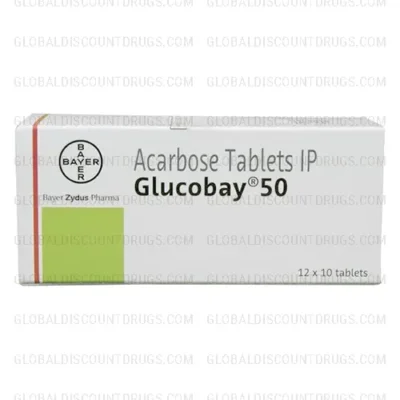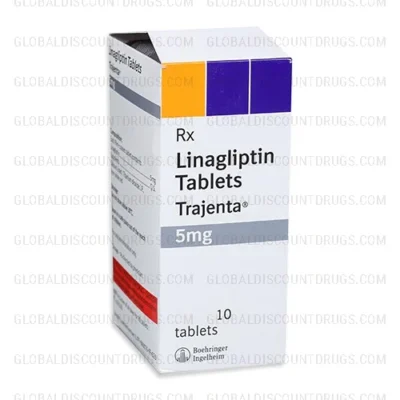


Acarbose
In StockAcarbose tablets are an oral medication used primarily to treat type 2 diabetes. Available in two dosages, 25mg and 50mg, these tablets work by slowing the digestion of carbohydrates in the body, which helps to control blood sugar levels after meals.

What is Acarbose?
Acarbose is a prescription medication belonging to a drug class called alpha-glucosidase inhibitors. It is used to help manage blood sugar levels in adults with type 2 diabetes.
Acarbose works in the digestive tract to slow the breakdown of certain carbohydrates, which helps prevent sharp increases in blood sugar after meals. It is typically used together with diet and exercise, and sometimes alongside other diabetes medications, as part of an overall diabetes management plan.
Acarbose is available as:
- Oral tablets, in strengths that commonly include 25 mg, 50 mg, and 100 mg
Available strengths and exact formulations may vary by manufacturer and region.
What is the Recommended Dosage of Acarbose?
There is no single dose of acarbose appropriate for everyone. The right dosage depends on several factors, including:
- Blood sugar levels and how well they are controlled
- Response to initial treatment, since doses are often adjusted gradually
- Body weight, in some cases
- Kidney function, since acarbose is generally not recommended for patients with significant kidney impairment
- Other diabetes medications being used at the same time
Acarbose is typically taken with the first bite of each main meal, since it works by affecting the digestion of carbohydrates as they are eaten. Doses are often started low and increased gradually over time, based on blood sugar response and tolerance.
Because dosing must be individualized and adjusted based on blood sugar monitoring, patients should not change their dose without medical guidance. Always follow the specific instructions provided by a licensed medical specialist.
How Acarbose Works
Acarbose works by blocking enzymes in the small intestine called alpha-glucosidases, which are normally responsible for breaking down complex carbohydrates (starches and some sugars) into simpler sugars that can be absorbed into the bloodstream.
By slowing this breakdown process, acarbose helps:
- Reduce the rise in blood sugar that normally occurs after eating a meal
- Support more stable blood sugar levels throughout the day when used consistently
Acarbose is intended to help manage blood sugar levels in type 2 diabetes; it does not cure diabetes and is most effective when combined with appropriate diet, physical activity, and other prescribed treatments as directed by a healthcare provider.
Is a Prescription Required to Buy Acarbose Online?
Yes. Acarbose is a prescription-only medication in most countries and is not available over the counter.
It is recommended to consult a licensed medical specialist before starting or adjusting treatment, such as:
- An endocrinologist (a specialist in hormone-related and metabolic conditions, including diabetes)
- A primary care physician experienced in diabetes management
If purchasing online, use only licensed, reputable pharmacies. Be cautious of:
- Products without clear labeling of strength or manufacturer
- Unusually low prices, which may indicate counterfeit products
- Formulations intended for veterinary or non-human use
Side Effects of Acarbose
Common Side Effects
Because acarbose affects carbohydrate digestion, gastrointestinal side effects are common, particularly when starting treatment or increasing the dose. These may include:
- Gas (flatulence)
- Bloating or abdominal discomfort
- Diarrhea
- Stomach pain
These effects often lessen over time as the body adjusts, and gradual dose increases can help reduce their severity.
Serious Side Effects
Serious reactions are less common but can occur. Seek medical attention if you experience:
- Signs of liver problems, such as yellowing of the skin or eyes, dark urine, unusual fatigue, or loss of appetite
- Severe or persistent abdominal pain or bloating, which could indicate a rare but serious bowel problem
- Signs of low blood sugar (hypoglycemia) when acarbose is used together with other diabetes medications, such as shakiness, sweating, confusion, or dizziness
- Signs of an allergic reaction, such as rash, itching, swelling, or difficulty breathing
If any of these symptoms occur, contact a healthcare provider promptly or seek emergency care for severe symptoms.
Drug Interactions
Acarbose may interact with several types of medications and substances, including:
- Other diabetes medications, particularly insulin or sulfonylureas, since combined use can increase the risk of low blood sugar; note that if low blood sugar occurs, it must be treated with a simple sugar (glucose) rather than table sugar or starchy foods, because acarbose slows the breakdown of complex carbohydrates
- Digestive enzyme products, such as certain products containing digestive enzymes or activated charcoal, which may reduce acarbose’s effectiveness
- Certain medications that affect the digestive tract, which may alter how acarbose works
- Over-the-counter (OTC) medications, including some antacids
- Herbal products and supplements, particularly those that affect blood sugar
Always provide your licensed medical specialist or pharmacist with a complete and current list of everything you take, including prescription drugs, OTC products, vitamins, and herbal supplements, before starting acarbose.
Safety & Important Considerations
- Kidney disease: Acarbose is generally not recommended for patients with significant kidney impairment, as it has not been well studied in this population.
- Liver disease: Patients with liver conditions should be evaluated by a specialist, as rare cases of liver enzyme changes have been reported with acarbose use, particularly at higher doses.
- Digestive conditions: Acarbose is generally not recommended for people with certain bowel conditions, such as inflammatory bowel disease, bowel obstruction, or conditions that could be worsened by increased intestinal gas.
- Pregnancy and breastfeeding: The safety of acarbose during pregnancy and breastfeeding has not been firmly established. Discuss the risks and benefits with a healthcare provider before use during these periods.
- Children and elderly patients: Acarbose is generally intended for adult use; safety and effectiveness in children have not been well established. Elderly patients may require closer monitoring.
- Monitoring: Regular blood sugar monitoring, and periodic liver function tests in some cases, may be recommended by your healthcare provider during treatment.
This medication should be used only for its intended purpose, as directed by a qualified healthcare provider. Off-label use should not be pursued without professional guidance.
Who This Medication Is For
Acarbose is generally intended for adults with type 2 diabetes who need help managing blood sugar levels, particularly the rise in blood sugar that occurs after meals. It is often used in combination with diet, exercise, and sometimes other diabetes medications, as part of a broader treatment plan determined by a healthcare provider.
Who Should Not Take Acarbose
You may not be a suitable candidate for this medication if you:
- Have a known allergy or hypersensitivity to acarbose or any of its ingredients
- Have inflammatory bowel disease, bowel obstruction, or a history of significant intestinal or digestive disorders
- Have significant kidney impairment
- Have cirrhosis or significant liver disease
- Have type 1 diabetes or diabetic ketoacidosis, conditions for which acarbose is not indicated
This is not a complete list of contraindications. A licensed medical specialist can review your full medical history to determine whether this medication is appropriate for you.
What to Do If You Miss a Dose
If you miss a dose of acarbose:
- Since acarbose works by affecting the digestion of a meal, if you miss taking it with a meal, skip that dose rather than taking it after the meal has already been eaten
- Do not take a double dose to make up for a missed one
- Resume your normal dosing schedule with your next meal
- If you are unsure what to do, or miss doses frequently, contact your licensed medical specialist or pharmacist for guidance
Related medications to Acarbose
Other medications within the same or related therapeutic categories for managing type 2 diabetes may include:
- Other alpha-glucosidase inhibitors, such as miglitol
- Metformin and other oral antidiabetic medication classes
- Injectable diabetes medications, depending on individual treatment needs
These alternatives are not necessarily interchangeable with acarbose, and switching treatments should only be done after consultation with a licensed medical specialist, who can evaluate the most appropriate option for your individual condition.
Storage Instructions
- Store at room temperature, generally between 68°F and 77°F (20°C to 25°C), unless otherwise directed on the label
- Keep the medication in its original container, away from excess moisture and direct light
- Keep out of reach of children and pets
- Do not use past the expiration date, and dispose of unused or expired medication according to local guidelines or pharmacy take-back programs
Disclaimer:
This page is for educational purposes only. It is not a substitute for professional medical advice, diagnosis, or treatment. Patients must consult a licensed medical specialist — such as an endocrinologist or primary care provider — before starting, changing, or stopping treatment with acarbose. Treatment decisions must be based on a full clinical evaluation by a qualified specialist familiar with your individual medical history.
Prescription Required (Rx) to Buy?
This medication is not available over the counter. A valid prescription from a licensed healthcare
professional is required. Always consult your doctor before use.