
Acarbose 50mg is a prescription medicine. It is a dosage form of acarbose, an alpha-glucosidase inhibitor used in type 2 diabetes. It works by slowing carbohydrate digestion in the intestine, helping reduce post-meal blood sugar spikes. Dosage and duration are decided by the physician based on glucose levels, diet, and overall diabetes management plan.

Acarbose 50mg
In Stock| Active Ingredient: | Acarbose |
|---|---|
| Indication: | Type 2 Diabetes |
| Strength: | 50mg |
| Dosage Form: | Tablets |
| Manufacturer: | Bayer Zydus |
Last Updated on 04/08/2026

$0.53 -
$0.64
per pill
Acarbose 50mg – Quick Overview
Acarbose 50mg is a prescription oral medication used to manage blood sugar levels in adults with type 2 diabetes mellitus. It belongs to the alpha-glucosidase inhibitor class and works by slowing the digestion of carbohydrates in the intestine, helping prevent post-meal blood sugar spikes. It is used alongside diet, exercise, and sometimes other diabetes medications, under physician supervision.
Medical Supervision & Regulatory Status
Acarbose 50mg is a prescription-only medication in the United States, classified under Schedule H in many countries and subject to FDA oversight as an approved antidiabetic agent. It is marketed in the US under the brand name Precose. Because blood sugar management requires ongoing clinical evaluation, this medication must be initiated, monitored, and adjusted only by a licensed healthcare provider. Self-medication with acarbose may lead to unrecognized hypoglycemia or worsening glycemic control.
Clinical Context
Type 2 diabetes mellitus is a chronic metabolic condition in which the body either does not produce enough insulin or does not use it effectively, resulting in elevated blood glucose levels. Without proper management, sustained high blood sugar can lead to serious complications including cardiovascular disease, kidney damage, neuropathy, and vision problems.
Dietary carbohydrates are a primary driver of postprandial (after-meal) glucose spikes, which are difficult to control with lifestyle changes alone in many patients. Pharmacological intervention becomes necessary when diet and exercise are insufficient to bring HbA1c and fasting glucose into target range.
Acarbose fits into therapy as a non-insulin, non-sulfonylurea option that specifically targets postprandial hyperglycemia. It is particularly useful for patients who experience significant blood sugar rises after meals, those who cannot tolerate metformin, or as an add-on therapy in combination regimens guided by a physician.
How Acarbose 50mg Works
Acarbose belongs to the alpha-glucosidase inhibitor drug class. Alpha-glucosidases are enzymes located on the brush border of the small intestinal lining that break down complex carbohydrates and disaccharides into simple glucose units ready for absorption. Acarbose competitively and reversibly inhibits these enzymes, most notably sucrase, maltase, and glucoamylase.
By slowing this enzymatic breakdown, acarbose delays — not prevents — the absorption of glucose from the gut into the bloodstream. This results in a blunted, more gradual rise in blood glucose after meals rather than a sharp spike. The drug does not stimulate insulin secretion, which means it has a low inherent risk of causing hypoglycemia when used alone.
For patients with type 2 diabetes, this mechanism directly addresses one of the most clinically problematic patterns: postprandial hyperglycemia. Flatter post-meal glucose curves contribute to better overall glycemic control, reduced HbA1c over time, and a lower burden on the pancreas.
What is Acarbose 50mg?
Drug Class: Alpha-glucosidase inhibitor
Active Ingredient: Acarbose 50 milligrams per tablet
Mechanism: Competitively inhibits intestinal alpha-glucosidase enzymes, slowing the digestion and absorption of dietary carbohydrates to reduce postprandial blood glucose elevation.
Form: Oral tablet
Dosing Frequency: Typically administered three times daily with the first bite of each main meal
Regulatory Status: FDA-approved prescription medication (Brand: Precose); generic versions widely available in the US
Uses / Indications
Type 2 Diabetes Mellitus (Primary Indication) Acarbose 50mg is FDA-approved as an adjunct to diet and exercise to improve glycemic control in adults with type 2 diabetes. It is used either as monotherapy or in combination with other antidiabetic agents such as metformin, sulfonylureas, or insulin, as determined by a physician.
Postprandial Hyperglycemia Management Clinicians may prescribe acarbose specifically to address elevated blood sugar in the hours following meals, a pattern that contributes significantly to overall HbA1c levels and long-term complication risk.
Combination Antidiabetic Therapy When a single agent does not adequately control blood sugar, acarbose may be added to an existing regimen. Its unique intestinal mechanism of action complements drugs that work through insulin secretion or insulin sensitivity pathways, offering additive glycemic benefit without increasing hypoglycemia risk from acarbose itself.
How to Use / Dosage
Acarbose 50mg should be taken exactly as prescribed by your physician. The typical starting dose for adults is 25mg three times daily, taken with the first bite of each main meal. Your doctor may gradually increase the dose — commonly to 50mg three times daily — based on your blood sugar response and tolerance, typically over several weeks.
Timing: Take acarbose at the start of each main meal. Taking it before or after eating reduces its effectiveness because it must be present in the gut while carbohydrates are being digested.
Missed Dose: If you miss a dose and have already finished your meal, skip that dose entirely. Do not double the next dose. Resume your regular schedule at the next main meal and inform your doctor if missed doses are frequent.
Do Not Stop Suddenly: Do not discontinue acarbose without speaking to your doctor. Stopping abruptly may cause blood sugar to rise, potentially worsening your diabetes control. Your physician will adjust or taper therapy as clinically appropriate.
The dose your doctor prescribes is individualized based on your kidney function, HbA1c goals, other medications, and overall health status. Never adjust your dose independently.
Side Effects
Most patients tolerate acarbose reasonably well, particularly once the body adjusts over the first few weeks of therapy. Side effects are most common early in treatment and often lessen with continued use.
Common Side Effects: The most frequently reported effects are gastrointestinal in nature and directly related to the drug’s mechanism of action. Because undigested carbohydrates reach the lower intestine, bacterial fermentation occurs, leading to flatulence (gas), bloating, abdominal discomfort, and diarrhea. These effects occur in a significant proportion of patients but often improve as the gut adapts. Following a low-carbohydrate diet and starting at the lowest dose can help minimize these symptoms.
Serious Side Effects: Elevated liver enzymes (transaminases) have been reported with acarbose use, particularly at higher doses. While this is uncommon at the 50mg dose, your doctor may order periodic liver function tests during therapy. Jaundice (yellowing of skin or eyes) has been reported rarely. When acarbose is used in combination with insulin or sulfonylureas, hypoglycemia (low blood sugar) can occur — in this case, glucose (dextrose) or glucagon must be used to treat low blood sugar, not sucrose (table sugar), because acarbose blocks its breakdown.
Emergency Warning Signs — Seek Immediate Medical Attention:
- Yellowing of the skin or whites of the eyes (jaundice)
- Severe or persistent abdominal pain
- Dark-colored urine or pale stools
- Signs of severe low blood sugar: confusion, shakiness, rapid heartbeat, or loss of consciousness (when used with insulin or sulfonylureas)
- Unusual fatigue or weakness persisting for more than a few days
- Skin rash, hives, or swelling of the face or throat
Warnings & Precautions
Hepatic Concerns: Acarbose is contraindicated in patients with significant liver disease or cirrhosis. Liver function should be assessed before starting treatment, and monitoring may be recommended for patients on long-term or higher-dose therapy. Any unexplained rise in liver enzymes should prompt re-evaluation of continued use.
Renal Impairment: Acarbose is contraindicated in patients with severe kidney impairment (serum creatinine greater than 2 mg/dL). Since a portion of the drug is absorbed systemically, reduced renal clearance can lead to drug accumulation. Patients with mild to moderate kidney disease should be used with caution and only under physician supervision.
Drug Interactions: Acarbose can interact with several medications in clinically important ways. Digestive enzyme preparations (such as amylase or pancreatin supplements) and intestinal adsorbents (such as charcoal) may reduce acarbose’s effectiveness and should not be taken concomitantly. When combined with insulin or sulfonylureas (such as glipizide or glyburide), the risk of hypoglycemia increases. Importantly, treating hypoglycemia in a patient on acarbose requires oral glucose (dextrose) or injectable glucagon — not table sugar or fruit juice — because sucrose absorption is blocked. Digoxin serum levels may be reduced by acarbose; monitoring is advised for patients on both drugs.
Pregnancy and Breastfeeding: Acarbose is not recommended during pregnancy. Insulin is the preferred agent for managing diabetes during pregnancy. Animal studies have shown some concerning findings, and adequate human safety data is limited. Acarbose is not recommended during breastfeeding; consult your physician for safe alternatives.
Gastrointestinal Disease: Acarbose is contraindicated in patients with inflammatory bowel disease (Crohn’s disease or ulcerative colitis), colonic ulceration, partial intestinal obstruction, or any chronic digestive disorder that could be worsened by increased intestinal gas and fermentation.
Pediatric and Geriatric Use: Safety and efficacy of acarbose have not been established in pediatric patients. Older adults should be monitored more closely for gastrointestinal tolerance and kidney function, as age-related declines in renal clearance may affect drug handling.
Who Should Not Use This Medication
The following individuals should not use acarbose without explicit physician clearance or are generally contraindicated:
- Patients with diabetic ketoacidosis
- Individuals with cirrhosis or significant liver disease
- Patients with severe renal impairment (serum creatinine > 2 mg/dL)
- Those diagnosed with inflammatory bowel disease or colonic ulceration
- Patients with chronic intestinal disease associated with marked digestive or absorptive disorders
- Individuals with conditions that may deteriorate due to increased intestinal gas (such as partial bowel obstruction)
- Pregnant or breastfeeding women (unless specifically directed and monitored by a physician)
- Patients with known hypersensitivity to acarbose or any component of the formulation
Storage Instructions
Temperature: Store acarbose tablets at controlled room temperature, between 59°F and 77°F (15°C–25°C). Brief exposure to temperatures between 59°F–86°F is acceptable during travel.
Moisture and Light: Keep the medication in its original container, tightly closed, and away from direct sunlight, moisture, and humidity. Do not store in the bathroom medicine cabinet, as heat and moisture can degrade the tablets.
Child Safety: Store all medications, including acarbose, out of reach and sight of children and pets. Use child-resistant caps and keep medications in a secure location. Accidental ingestion by a child requires immediate emergency medical attention.
Disposal: Do not flush unused acarbose tablets down the toilet. Use an FDA-approved drug take-back program or follow your local pharmacy’s disposal guidance.
Frequently Asked Questions
1. Does acarbose require a prescription?
Yes, acarbose requires a valid prescription from a licensed physician in the United States. A prescription is necessary because proper diabetes management requires medical evaluation, baseline lab work, dose individualization, and ongoing monitoring of blood sugar levels and kidney and liver function to ensure safe use.
2. How long does acarbose take to work?
Acarbose begins acting within the same meal it is taken with, reducing post-meal glucose spikes immediately. However, meaningful improvements in HbA1c and overall glycemic control typically become apparent after 4 to 8 weeks of consistent use. Your doctor will evaluate response through periodic blood sugar testing and HbA1c measurements.
3. Can I stop taking acarbose suddenly?
You should not stop acarbose without first consulting your physician. Discontinuing without medical guidance may cause blood sugar levels to rise again. Your doctor will advise whether it is safe to stop, taper, or switch to another medication based on your current glucose control and overall diabetes management plan.
4. Does acarbose interact with other medications?
Yes, acarbose has several clinically significant interactions. Digestive enzymes and intestinal adsorbents reduce its effectiveness. When combined with insulin or sulfonylureas, low blood sugar risk increases — and must be treated with glucose (dextrose), not table sugar. Acarbose may also affect digoxin blood levels. Always provide your doctor and pharmacist with a complete list of your current medications.
5. What should I do if I miss a dose?
If you missed a dose and have already finished your meal, skip that dose completely. Do not take acarbose after a meal, as it works only when carbohydrates are being actively digested. Resume your normal dosing schedule at your next main meal. Do not double up on doses to make up for a missed one.
6. What is the cost of acarbose 50mg without insurance?
The cost of acarbose without insurance depends on the seller, brand availability, and pack size, and may also vary by location and applicable discounts or pharmacy programs. Generic acarbose is generally considered an affordable diabetes medication. Patients are encouraged to compare prices across licensed pharmacies or ask about generic pricing and manufacturer discount programs.
7. How can I order acarbose 50mg online?
Ordering acarbose online requires a valid prescription from a licensed physician. You can typically upload your prescription through a verified online pharmacy’s portal, or your doctor’s office can send it electronically. Once verified, home delivery is usually available. Always use a pharmacy that is licensed in your state and verified through the National Association of Boards of Pharmacy (NABP) to ensure medication authenticity and safety.
8. Is acarbose available over the counter?
No, acarbose is not available over the counter in the United States or most countries. It is a prescription-only medication in the US due to the need for medical evaluation, dosage individualization, and ongoing monitoring. Regulations regarding availability may vary by country, but medical supervision is required in all standard clinical guidelines.
Resources
- DailyMed – Acarbose Tablet, Official Prescribing Information (NIH) https://dailymed.nlm.nih.gov/dailymed/search.cfm?labeltype=all&query=acarbose
- MedlinePlus – Acarbose Patient Information (U.S. National Library of Medicine) https://medlineplus.gov/druginfo/meds/a696015.html
Medical Disclaimer:
This content is for informational purposes only and does not constitute medical advice, diagnosis, or treatment. Consult a qualified specialist or physician before using Acarbose 50mg. Read our full medical disclaimer for more details
Prescription Required (Rx) to Buy?
This medication is not available over the counter. A valid prescription from a licensed healthcare
professional is required. Always consult your doctor before use.
| Quantity | 180, 270, 360, 90 |
|---|---|
| Indication | Type 2 Diabetes |
| Active Ingredient | Acarbose |
| Pharmaceutical Form | Tablets |
| Manufacturer | Bayer Zydus |
| Indian Brand | Glucobay 50mg |
| US Brand Name | Acarbose, Arokan, Glucobay, Glumida, Glynose, Precose |
| Generic Name | Acarbose |
| Dosage | 50mg |
| Drug Type | Tablets |
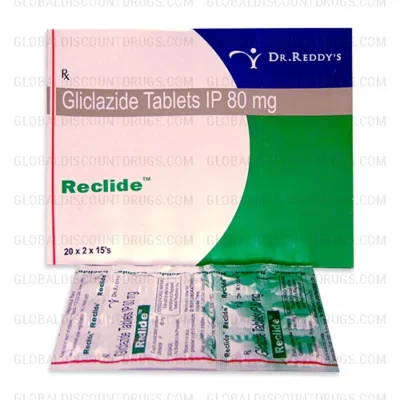
$0.71 -
$0.87
per pill
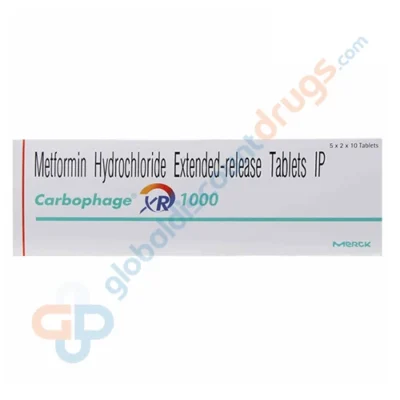
$0.58 -
$0.71
per pill
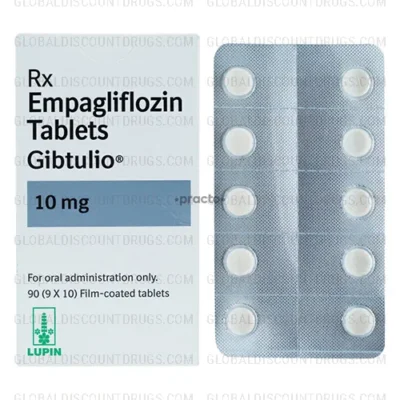
$1.84 -
$2.25
per pill
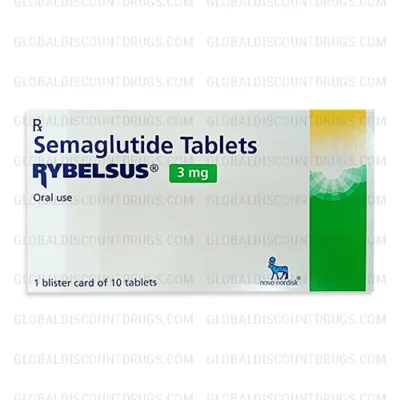
$10.52 -
$12.86
per pill
