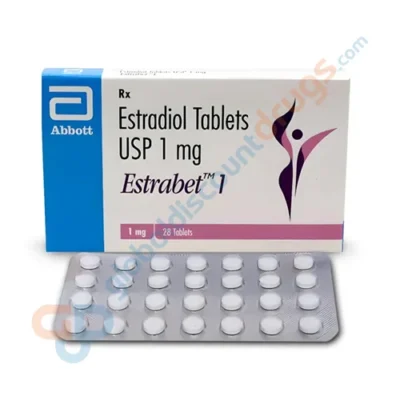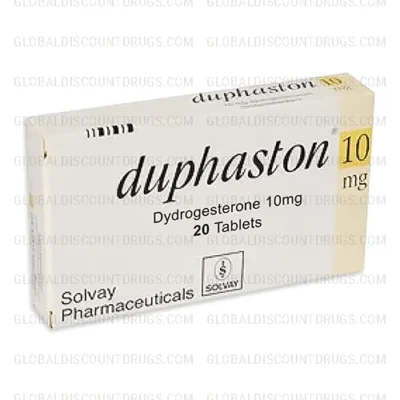


Progesterone
In StockProgesterone is a prescription medicine used to manage hormonal imbalance, support menstrual cycle regulation, and assist in certain fertility treatments. It works by providing a form of the natural hormone progesterone, which helps prepare and maintain the uterine lining and regulate reproductive hormone activity. This action supports normal reproductive function. Use as directed on the product label or by a healthcare professional.

What is Progesterone?
Progesterone is a naturally occurring hormone that plays an important role in the female reproductive system. In medicine, progesterone is also available as a prescription hormone therapy used to treat various hormone-related conditions.
It belongs to a class of medications known as progestins or progesterone hormone therapies, which help regulate hormonal balance and reproductive processes.
Approved and common uses
Healthcare professionals may prescribe progesterone for:
Hormone replacement therapy (HRT) in postmenopausal women
Menstrual disorders such as irregular or absent periods
Support of fertility treatments and assisted reproductive technologies
Prevention of endometrial hyperplasia in women receiving estrogen therapy
Management of certain pregnancy-related conditions under specialist supervision
Progesterone helps regulate hormonal balance but does not permanently cure underlying hormonal disorders.
Available formulations and strengths
Progesterone is available in several dosage forms, including:
Oral capsules
Vaginal capsules or suppositories
Vaginal gel or inserts
Injectable formulations
Topical creams in some clinical settings
Strengths and formulations may vary depending on the manufacturer, treatment purpose, and region.
What is the Recommended Dosage of Progesterone?
The appropriate dosage of progesterone must be determined by a licensed healthcare professional.
Dosage varies depending on several factors, including:
The condition being treated
Patient age
Hormonal status
Fertility treatment protocols
Pregnancy status
Response to therapy
Treatment plans may differ significantly depending on whether progesterone is used for hormone therapy, fertility support, or menstrual regulation.
Available dosage forms
Progesterone may be administered as:
Oral capsules
Vaginal capsules or gel
Injectable formulations
Topical preparations
Because hormone therapy requires careful monitoring, patients should follow medical instructions closely and avoid adjusting doses without professional guidance.
How Progesterone Works
Progesterone works by mimicking or supplementing the body’s natural progesterone hormone.
In the reproductive system, progesterone plays several important roles:
Preparing the uterine lining for potential pregnancy
Supporting implantation of a fertilized egg
Helping regulate the menstrual cycle
Maintaining pregnancy in early stages
When progesterone levels are insufficient, hormonal imbalance may affect menstrual cycles, fertility, or uterine health.
Progesterone therapy helps restore hormonal balance, but it does not cure underlying endocrine disorders.
Is a Prescription Required to Buy Progesterone Online?
In most cases, progesterone used for medical treatment requires a prescription.
Hormone therapy should always be supervised by a licensed healthcare professional.
Healthcare specialists who may prescribe progesterone include:
Gynecologists
Reproductive endocrinologists
Fertility specialists
Primary care physicians managing hormone therapy
Patients should avoid purchasing hormone medications from unverified online sources, as counterfeit or improperly formulated products may pose health risks.
Progesterone should only be obtained from licensed pharmacies that follow prescription regulations.
Side Effects of Progesterone
Like all medications, progesterone may cause side effects. Many patients tolerate treatment well, especially when therapy is carefully monitored.
Common Side Effects
Common side effects may include:
Breast tenderness
Headache
Fatigue or drowsiness
Mood changes
Nausea
Bloating
Irregular vaginal bleeding or spotting
These effects may vary depending on the dosage form and treatment duration.
Serious Side Effects
Rare but serious side effects may include:
Blood clots
Severe allergic reactions
Severe headaches or vision changes
Persistent abdominal pain
Signs of stroke or cardiovascular complications
Immediate medical attention is required if symptoms such as chest pain, difficulty breathing, sudden severe headache, or swelling of the legs occur.
Drug Interactions
Progesterone may interact with certain medications that affect hormone metabolism.
Major interaction categories include:
Hormone therapies
Certain anticonvulsant medications
Antifungal medications
Some antibiotics
Medications affecting liver enzymes
These interactions may alter hormone levels or reduce treatment effectiveness.
OTC medications and supplements
Patients should inform their healthcare provider if they use:
Herbal supplements
Over-the-counter medications
Vitamins or dietary supplements
Hormone-related products
Providing a complete medication list helps healthcare professionals prevent potential interactions.
Safety & Important Considerations
Before starting progesterone therapy, healthcare providers evaluate several medical factors.
Hormone-sensitive conditions
Patients with a history of hormone-sensitive cancers, such as certain breast or uterine cancers, may require careful evaluation before treatment.
Cardiovascular risk
Hormone therapy may influence cardiovascular risk factors in certain individuals.
Pregnancy and fertility treatment
Progesterone is commonly used in fertility treatments and early pregnancy support, but treatment must be guided by a specialist.
Liver health
Because progesterone is processed by the liver, patients with liver disease may require careful monitoring.
Monitoring
Doctors may monitor:
Hormone levels
Menstrual patterns
Pregnancy status (when relevant)
Overall reproductive health
Who This Medication Is For
Progesterone therapy may be prescribed for individuals experiencing hormonal imbalance or reproductive health conditions.
Typical patient groups include:
Women undergoing hormone replacement therapy
Individuals receiving fertility treatments
Patients with irregular menstrual cycles
Women needing protection of the uterine lining during estrogen therapy
Treatment decisions depend on clinical evaluation and hormonal assessment.
Who Should Not Take Progesterone
Progesterone may not be suitable for certain individuals.
Contraindications and precautions may include:
Known allergy to progesterone
Hormone-sensitive cancers
Undiagnosed vaginal bleeding
Certain liver diseases
History of blood clotting disorders
Patients with the following conditions may require careful monitoring:
Cardiovascular disease
Migraine disorders
Depression
Metabolic conditions affecting hormones
A healthcare professional must determine whether progesterone therapy is appropriate.
What to Do If You Miss a Dose
If a dose is missed:
Take the missed dose as soon as you remember
If it is close to the next scheduled dose, skip the missed dose
Patients should not take two doses at the same time to compensate for a missed dose.
If multiple doses are missed or treatment instructions are unclear, patients should contact their licensed healthcare professional or pharmacist.
Alternatives to Progesterone
Alternative treatments depend on the underlying condition and treatment goals.
Possible alternatives may include:
Synthetic progestins used in hormone therapy
Other hormonal treatments for menstrual disorders
Fertility medications used in assisted reproductive treatments
Non-hormonal treatments for specific reproductive conditions
Treatment decisions should always be made in consultation with a qualified healthcare professional.
Storage Instructions
Proper storage helps maintain medication safety and effectiveness.
General storage recommendations include:
Store at room temperature
Keep the medication in its original packaging
Protect from excess heat and moisture
Avoid exposure to direct light
Keep out of reach of children and pets
Different formulations may have specific storage requirements provided on the medication label.
Disclaimer:
This page is provided for educational purposes only.
It is not a substitute for professional medical advice, diagnosis, or treatment.
Patients must consult a licensed gynecologist, reproductive endocrinologist, or other qualified healthcare professional before starting, changing, or stopping progesterone therapy.
All treatment decisions must be based on a complete clinical evaluation performed by a qualified medical specialist.
Prescription Required (Rx) to Buy?
This medication is not available over the counter. A valid prescription from a licensed healthcare
professional is required. Always consult your doctor before use.