Axitinib
In StockAxitinib is a highly potent and selective second-generation tyrosine kinase inhibitor (TKI) primarily used in the treatment of advanced renal cell carcinoma (kidney cancer). It works by blocking multiple receptors, specifically inhibiting key pathways required for tumor growth and angiogenesis (new blood vessel formation). This API starves the tumor of necessary nutrients and oxygen, offering a targeted and powerful therapeutic option. Axitinib significantly improves progression-free survival in patients with advanced disease.

What is Axitinib?
Axitinib is a prescription cancer medicine. It belongs to a drug class called kinase inhibitors, a type of targeted therapy that mainly blocks proteins called vascular endothelial growth factor receptors (VEGFRs). It was first sold under the brand name Inlyta, and generic versions may be available.
Approved uses: In the United States, axitinib is approved for adults with advanced renal cell carcinoma (RCC), a type of kidney cancer, in these situations:
- As a single medicine after one earlier systemic (whole-body) treatment has not worked
- Together with the immunotherapy medicines avelumab or pembrolizumab as a first treatment for advanced RCC
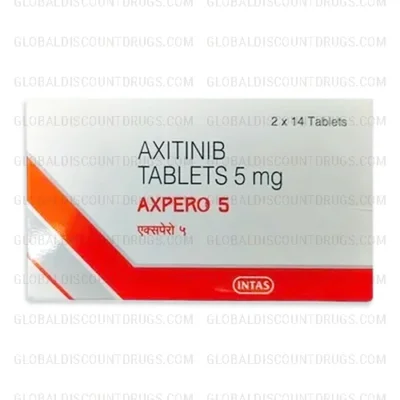
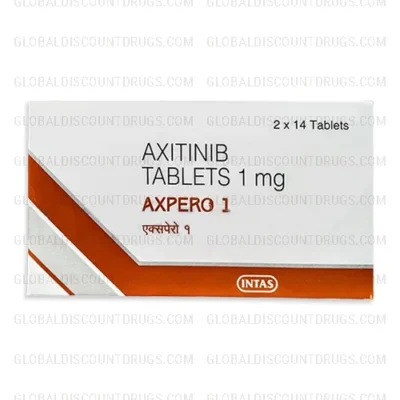
Formulations and strengths: Axitinib is taken by mouth as film-coated tablets in Axitinib 1mg and Axitinib 5mg strengths. Other uses should be discussed only with your oncologist.
What is the Recommended Dosage of Axitinib?
Your dose is set by your oncologist and should always follow their instructions and your pharmacy label. Axitinib tablets are swallowed whole with a glass of water, usually twice a day, about 12 hours apart, with or without food. Your care team will tell you exactly which strength to take and when.
Your care team may adjust the dose or schedule based on:
- Your condition and tolerance: The dose is often changed step by step. It may be raised if you are tolerating it well, or lowered or paused if side effects such as high blood pressure occur.
- Liver function: People with moderate liver impairment usually start on a lower dose. Severe liver impairment has not been studied.
- Kidney function: No routine change is needed for most kidney problems. People with end-stage kidney disease have not been well studied.
- Other medicines: Some drugs change how much axitinib is in your body.
- Overall health: Age and other conditions can matter.
Do not change, skip, or stop doses on your own. If you have trouble swallowing tablets, ask your care team or pharmacist for options instead of crushing or splitting the tablets yourself.
How Axitinib Works
Tumors need new blood vessels to bring them oxygen and nutrients. A protein signal called VEGF helps tell the body to build these vessels. Axitinib blocks the receptors that receive this signal, which can slow the growth of new blood vessels that feed the tumor.
In this way, axitinib can slow tumor growth or help keep the disease under control. It is used to manage kidney cancer and is not considered a cure. Regular scans and follow-up visits help your care team see how well treatment is working.
Is a Prescription Required to Buy Axitinib Online?
Yes. Axitinib is prescription-only. It should be prescribed and monitored by a licensed medical oncologist (a cancer specialist), often working with a urologic oncologist or kidney cancer care team.
- Buy only from a licensed pharmacy that requires a valid prescription.
- Counterfeit or substandard cancer medicines exist. Be cautious of websites that sell without a prescription or ship from unclear sources.
- Check that the tablets match what your pharmacist describes, and ask your pharmacist if packaging or appearance looks different.
Side Effects of Axitinib
Not everyone gets every side effect. Many can be managed with help from your care team.
Common Side Effects
- Diarrhea
- High blood pressure
- Tiredness or weakness
- Decreased appetite or weight loss
- Nausea, vomiting, or constipation
- Voice changes or hoarseness
- Hand-foot skin reaction (redness, pain, or swelling on palms and soles)
- Underactive thyroid (hypothyroidism), which may cause tiredness, weight gain, or feeling cold
- Mouth or throat soreness
- Cough
- Protein in the urine, found through lab tests
- Changes in liver blood tests
Serious Side Effects
These are less common but need prompt attention:
- Very high blood pressure: severe headache, confusion, vision changes, or chest pain
- Blood clots in arteries: chest pain, sudden weakness or numbness on one side of the body, trouble speaking (signs of heart attack or stroke)
- Blood clots in veins: leg swelling or pain, sudden shortness of breath
- Bleeding: unusual or severe bleeding, black or bloody stools, vomiting blood, or coughing up blood
- Heart failure: swelling in the legs, sudden weight gain, or shortness of breath
- Severe stomach or bowel problems: severe belly pain or a tear (perforation) in the stomach or intestine
- Reversible posterior leukoencephalopathy syndrome (RPLS): headache, seizures, confusion, or vision changes
- Liver problems: yellowing of the skin or eyes, dark urine, or severe tiredness
- Slow wound healing
Seek immediate medical care if you have chest pain, sudden trouble breathing, signs of stroke, severe bleeding, severe belly pain, seizures, or sudden vision changes. Contact your oncology team promptly for persistent diarrhea, a worsening skin reaction, or high blood pressure readings.
Drug Interactions
Tell your oncologist and pharmacist about everything you take, including prescription drugs, over-the-counter (OTC) products, vitamins, supplements, and herbal products. Major categories include:
- Strong CYP3A4/5 inhibitors (such as ketoconazole, itraconazole, clarithromycin) can raise axitinib levels and may increase side effects. Your care team may avoid these or lower your axitinib dose.
- Strong CYP3A4/5 inducers (such as rifampin, phenytoin, carbamazepine) can lower axitinib levels and may make it less effective. These are generally avoided.
- Blood thinners: Because bleeding and clotting risks are monitored during treatment, tell your team if you take any.
- Grapefruit and grapefruit juice may raise axitinib levels. Ask your pharmacist whether to avoid them.
- Herbal products, especially St. John’s wort, can lower axitinib levels. Ask your pharmacist before using any herbal or dietary supplement.
- Acid-reducing medicines and antacids: Ask your pharmacist if timing matters for the products you use.
Bring a complete, updated medication list to every appointment.
Safety & Important Considerations
- Blood pressure: Blood pressure should be well controlled before starting. It is checked regularly, and blood pressure medicine may be added. Home readings may be requested.
- Heart and blood clot history: Tell your team about any past heart attack, stroke, blood clots, or heart failure.
- Liver disease: Liver blood tests are checked before and during treatment. A lower starting dose may be used for moderate liver impairment.
- Kidney disease: Urine protein is monitored. Discuss any kidney problems with your specialist.
- Thyroid: Thyroid function is checked before and during treatment.
- Surgery and procedures: Treatment is usually paused for at least 2 days before planned surgery and restarted only when the wound has healed. Tell any surgeon or dentist you take axitinib.
- Pregnancy: Axitinib can harm an unborn baby. Effective contraception is advised during treatment and for at least 1 week after the last dose, according to U.S. labeling. Tell your oncologist right away if you are or may become pregnant.
- Breastfeeding: Breastfeeding is not recommended during treatment and for at least 2 weeks after the last dose.
- Older adults and children: No routine dose change is needed based on age alone, but older adults are monitored closely. Safety and effectiveness in children have not been established.
- Monitoring: Expect regular visits, imaging scans, blood pressure checks, and blood and urine tests.
- Combination treatment: When used with avelumab or pembrolizumab, additional side effects related to those medicines can occur, and your team will review them with you.
Who This Medication Is For
Axitinib is intended for adults with advanced renal cell carcinoma, either after one earlier systemic therapy or as part of a first treatment combination with certain immunotherapy medicines, as decided by their oncology team. Treatment plans differ from person to person.
Who Should Not Take Axitinib
U.S. labeling does not list formal contraindications for axitinib, but it is not suitable for everyone, and some people need extra caution.
Discuss with your oncologist before starting if you:
- Have had an allergic reaction to axitinib or any tablet ingredient
- Have high blood pressure that is not well controlled
- Have had a recent heart attack, stroke, blood clot, or heart failure
- Have a bleeding problem or recent bleeding
- Have liver disease or kidney disease
- Have a history of stomach or bowel problems, including a fistula or perforation
- Have thyroid problems
- Have planned surgery or a dental procedure
- Are pregnant, planning pregnancy, or breastfeeding
- Take medicines that interact with axitinib
What to Do If You Miss a Dose
- If you miss a dose or vomit after taking it, do not take an extra dose. Take your next dose at the usual time.
- Never take two doses at once to make up for a missed one.
- If you are unsure what to do, or you miss several doses, contact your oncology team or pharmacist.
Related medications to Axitinib
Other medicines are used for advanced renal cell carcinoma, depending on the cancer’s features and your health:
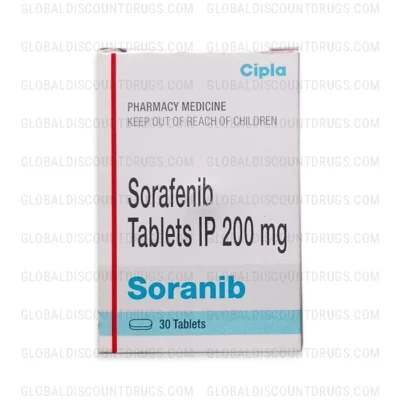
- Other kinase inhibitors: sunitinib, sorafenib, and lenvatinib (used with everolimus)
- Immunotherapy-based options: nivolumab with ipilimumab, nivolumab with cabozantinib, and pembrolizumab with lenvatinib
- Other approaches: everolimus and, in selected cases, surgery or radiation
These medicines differ in side effects, interactions, and approved uses. Switching or combining treatments must be decided together with your oncologist.
Storage Instructions
- Store at room temperature, about 68°F to 77°F (20°C to 25°C), with brief trips between 59°F and 86°F (15°C to 30°C) allowed.
- Keep tablets in the original container with the lid tightly closed, away from moisture (not in the bathroom) and light.
- Keep out of reach of children and pets.
- Do not use tablets past the expiration date. Ask your pharmacist about safe disposal of unused medicine.
- Caregivers handling the tablets should wash their hands afterward, and pregnant caregivers should ask the care team about handling precautions.
Disclaimer:
This page is for educational purposes only. It is not a substitute for professional medical advice, diagnosis, or treatment. Patients must consult a licensed medical oncologist before starting, changing, or stopping treatment. Treatment decisions must be based on a full clinical evaluation by a qualified specialist.
Prescription Required (Rx) to Buy?
This medication is not available over the counter. A valid prescription from a licensed healthcare
professional is required. Always consult your doctor before use.