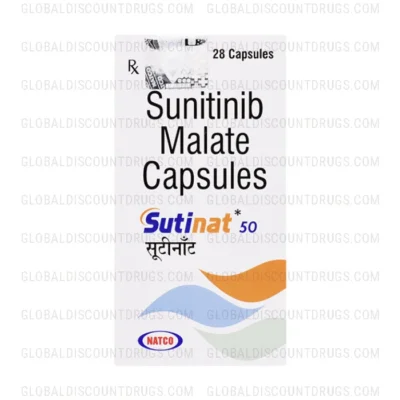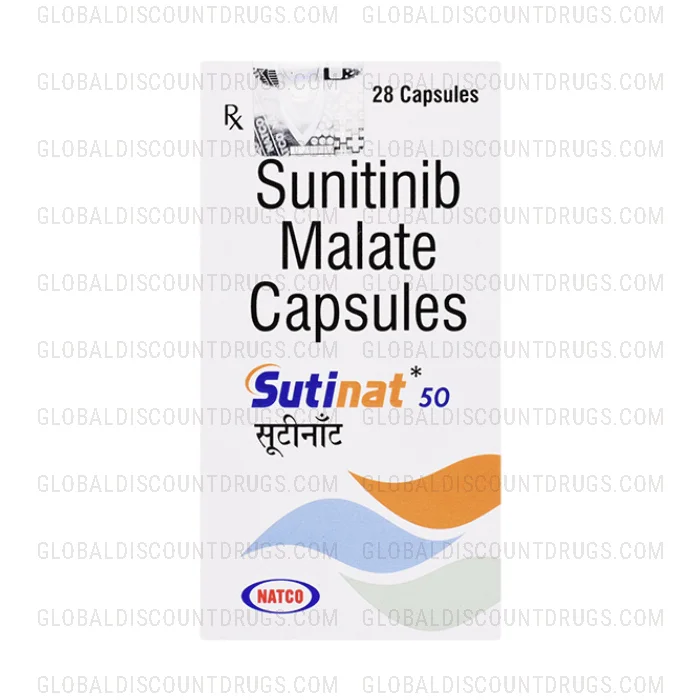
Sunitinib
In StockSunitinib is a prescription medicine used to treat certain cancers, including renal cell carcinoma, gastrointestinal stromal tumors, and pancreatic neuroendocrine tumors. It belongs to a class of medicines called tyrosine kinase inhibitors and works by blocking specific enzymes that promote tumor growth and blood vessel formation. This action helps slow cancer progression. Use only as directed on the product label or by a healthcare professional.

What is Sunitinib?
Sunitinib is a prescription medication classified as a tyrosine kinase inhibitor. It is primarily used to treat certain cancers, including renal cell carcinoma (kidney cancer), gastrointestinal stromal tumors (GIST) after prior therapy, and pancreatic neuroendocrine tumors. Sunitinib is available in oral capsule formulations in multiple strengths. Use as directed by a licensed oncology specialist.
What is the Recommended Dosage of Sunitinib?
Dosage of sunitinib varies based on the type of cancer, patient age, body weight, and liver or kidney function. Healthcare providers determine individualized dosing schedules, including treatment cycles and breaks. Available forms include oral capsules. Dosing must follow instructions from a licensed oncology specialist, with adjustments based on response and tolerability.
How Sunitinib Works
Sunitinib works by blocking specific enzymes called tyrosine kinases, which are involved in cancer cell growth and the development of blood vessels that supply tumors. By inhibiting these pathways, sunitinib helps slow tumor growth and supports cancer treatment. It manages disease progression but does not guarantee a cure.
Is a Prescription Required to Buy Sunitinib Online?
Sunitinib is prescription-only. Patients must consult a licensed oncologist or relevant specialist before use. Avoid unverified online sources or counterfeit products. Only licensed pharmacies should be used to ensure proper guidance and patient safety.
Side Effects of Sunitinib
Common Side Effects
- Fatigue or weakness
- Nausea and vomiting
- Diarrhea or constipation
- Mouth sores
- Changes in taste or appetite
Serious Side Effects
- Severe bleeding or bruising
- High blood pressure
- Heart problems (e.g., reduced heart function)
- Severe liver toxicity
Seek immediate medical attention if serious symptoms occur.
Drug Interactions
Sunitinib can interact with:
- Other cancer medications or targeted therapies
- Medications affecting liver enzymes (CYP3A4)
- Over-the-counter remedies, supplements, or herbal products
Provide a full list of all medications and supplements to your licensed oncology specialist before starting treatment.
Safety & Important Considerations
- Monitor liver and kidney function during treatment
- Discuss use during pregnancy or breastfeeding with a specialist
- Elderly patients may require close monitoring for side effects
- Regular blood tests and heart function assessments may be necessary
Who This Medication Is For
Sunitinib is prescribed for adults with specific cancers, including kidney cancer, gastrointestinal stromal tumors, and pancreatic neuroendocrine tumors. It is used when approved by a licensed oncologist as part of a comprehensive cancer treatment plan.
Who Should Not Take Sunitinib
Sunitinib should not be used in patients with:
- Known allergy to sunitinib or similar tyrosine kinase inhibitors
- Severe liver or kidney impairment without specialist supervision
- Uncontrolled high blood pressure or heart conditions without medical clearance
- Active bleeding disorders
What to Do If You Miss a Dose
Take the missed dose as soon as possible. Do not double the next dose. Contact your oncology specialist if uncertain about missed doses or scheduling adjustments.
Related medications to Sunitinib
Sunitinib is a kinase inhibitor used in several cancer settings, including renal cell carcinoma, gastrointestinal stromal tumor, and pancreatic neuroendocrine tumors. Related medicine pages include Axitinib, Sorafenib, and Everolimus where renal cell carcinoma is the relevant treatment context. Their indications and treatment sequences differ.
Storage Instructions
Store sunitinib capsules at room temperature away from moisture, heat, and light. Keep out of reach of children. Do not use after the expiration date.
Disclaimer:
This page is for educational purposes only. It is not a substitute for professional medical advice, diagnosis, or treatment. Patients must consult a licensed oncologist or relevant healthcare specialist before starting, changing, or stopping treatment. Treatment decisions must be based on a full clinical evaluation by a qualified specialist.
Prescription Required (Rx) to Buy?
This medication is not available over the counter. A valid prescription from a licensed healthcare
professional is required. Always consult your doctor before use.