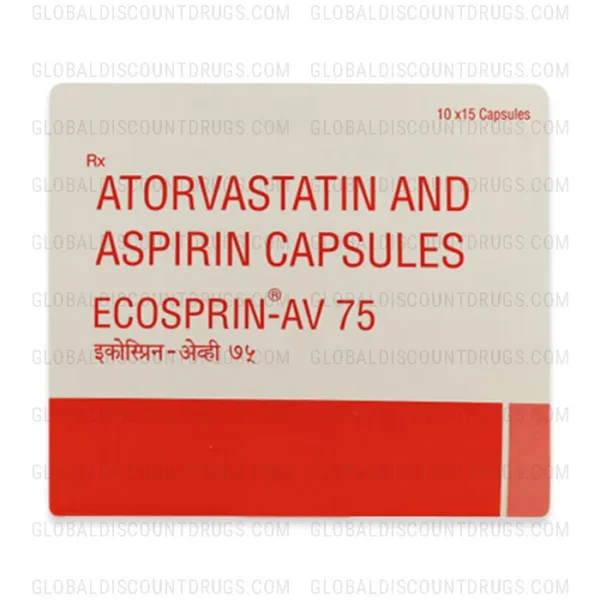
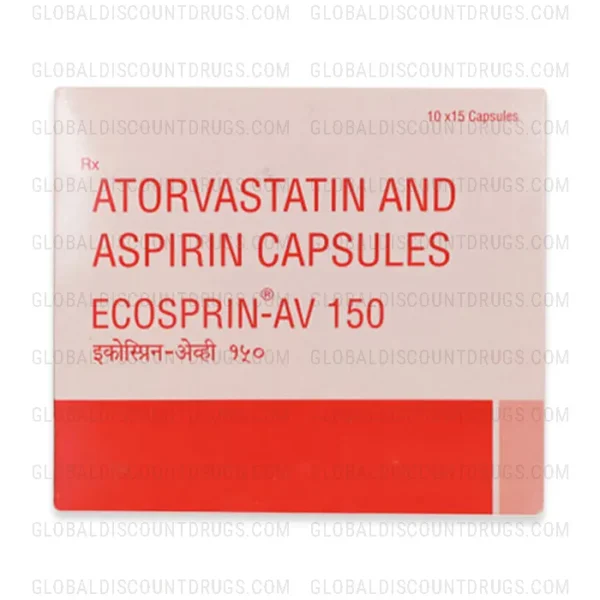
Atorvastatin-Aspirin
In StockAtorvastatin-Aspirin helps prevent heart attacks and strokes in patients with high cholesterol and heart risk. Atorvastatin lowers cholesterol, while Aspirin prevents blood clots for better circulation. This dual-action formula supports long-term cardiovascular protection. It’s prescribed for patients needing both cholesterol management and blood thinning. Regular monitoring ensures safe and effective heart health maintenance.

What is Atorvastatin/Aspirin?
Atorvastatin/aspirin is a combination medication that contains two active ingredients: atorvastatin, a statin (HMG-CoA reductase inhibitor) used to manage cholesterol, and aspirin, an antiplatelet medication used to reduce the risk of blood clots. Fixed-dose combination products containing both ingredients are marketed in some countries, though availability and specific brand names vary by region.
This combination is generally used for:
- Managing LDL cholesterol and overall cardiovascular risk in patients who also require low-dose aspirin therapy for cardiovascular protection
- Reducing the risk of heart attack, stroke, and other cardiovascular events in appropriate patients who need both cholesterol management and antiplatelet therapy, most often patients with established cardiovascular disease
Atorvastatin/aspirin combination products are generally available in the following formulation:
- Oral tablets combining a fixed dose of atorvastatin (commonly 10 mg, 20 mg, or similar) with a low dose of aspirin (commonly 75 mg or 81 mg, though this varies by product and country)
Important Note
This is a combination of two medications with different, independent purposes — one manages cholesterol, and the other reduces clotting risk. It is generally prescribed only for patients who already need both components together, not as a first-choice treatment for cholesterol alone or clot prevention alone.
What is the Recommended Dosage of Atorvastatin/Aspirin?
There is no single “correct” dose of this combination for everyone. The right dose depends on several individual factors, including:
- The patient’s cardiovascular risk profile and cholesterol targets
- Whether long-term low-dose aspirin therapy is clinically appropriate for that specific patient
- The patient’s age
- Bleeding risk and history
- Liver and kidney function
- Other medications currently being taken
Available Dosage Forms
This combination is available as a fixed-dose oral tablet, allowing a prescriber to select a strength combination that matches the patient’s needed atorvastatin dose alongside a standard low-dose aspirin component.
Important Note on Dosing
Exact dosing instructions are not provided on this page because appropriate dosing must be determined individually, and because the aspirin component carries its own bleeding-risk considerations that must be weighed against benefit. Patients should:
- Follow the exact dose and schedule prescribed by their licensed medical specialist
- Never adjust the dose on their own
- Never start or continue aspirin-containing products without medical guidance, even though aspirin is available over the counter
- Ask their prescriber or pharmacist if dosing instructions are unclear
How Atorvastatin/Aspirin Works
This combination works through two separate mechanisms:
- Atorvastatin blocks an enzyme called HMG-CoA reductase, which the liver uses to produce cholesterol. This reduces the liver’s cholesterol production and increases its ability to clear LDL cholesterol already circulating in the blood.
- Aspirin works by blocking platelets (small blood cells involved in clotting) from clumping together as easily, which reduces the likelihood of blood clots forming in the arteries.
In simple terms: atorvastatin addresses cholesterol buildup in blood vessels over time, while aspirin reduces the risk that a clot will form and block a narrowed vessel, which is often the direct trigger for a heart attack or certain types of stroke.
This medication manages cardiovascular risk; it does not cure underlying heart disease, and it works best when combined with a heart-healthy diet, regular exercise, and management of other risk factors such as blood pressure and blood sugar.
Is a Prescription Required to Buy Atorvastatin/Aspirin Online?
Yes, in most cases. While aspirin alone is available over the counter, this fixed-dose combination product containing atorvastatin is a prescription medication in the United States and most other countries, since atorvastatin itself requires a prescription.
Before starting atorvastatin/aspirin, patients should consult a licensed medical specialist, such as:
- A cardiologist
- A primary care physician
Important Safety Warning
Patients should be cautious of websites offering this medication without a prescription. These may include:
- Counterfeit medications with incorrect, unsafe, or no active ingredients
- Products not manufactured under proper quality and safety standards
Always obtain atorvastatin/aspirin from a licensed pharmacy, and only after being evaluated and prescribed by a qualified healthcare provider.
Side Effects of Atorvastatin/Aspirin
Common Side Effects
These are generally mild and may resolve on their own:
- Headache
- Muscle aches or mild muscle pain
- Stomach upset, heartburn, or nausea
- Joint pain
Serious Side Effects
Although uncommon, seek immediate medical attention if any of the following occur:
- Signs of gastrointestinal bleeding, such as black or bloody stools, or vomit that looks like coffee grounds
- Unexplained muscle pain, tenderness, or weakness, especially if accompanied by fever or dark-colored urine (possible signs of a rare but serious muscle breakdown condition called rhabdomyolysis)
- Signs of liver problems, such as yellowing of the skin or eyes, dark urine, severe fatigue, or upper abdominal pain
- Unusual bruising or prolonged bleeding from cuts
- Ringing in the ears or hearing changes (a possible sign of aspirin-related toxicity at higher exposure)
- Signs of an allergic reaction, such as swelling of the face, lips, tongue, or throat, hives, or difficulty breathing, including reactions sometimes associated with aspirin sensitivity
This list is not exhaustive. Patients experiencing any unusual or concerning symptoms should contact their prescriber promptly.
Drug Interactions
This combination medication has interactions related to both of its components. Patients should tell their prescriber about all medications and products they use, including:
- Other blood thinners or antiplatelet medications (such as warfarin, clopidogrel, or other anticoagulants), which combined with aspirin can significantly increase bleeding risk
- NSAIDs (such as ibuprofen or naproxen), which can increase bleeding risk and may reduce aspirin’s antiplatelet effect if taken incorrectly
- Certain antibiotics and antifungals (such as clarithromycin, erythromycin, or itraconazole), which can raise atorvastatin levels
- Certain HIV and hepatitis C antiviral medications
- Cyclosporine and gemfibrozil, which increase the risk of muscle-related side effects from the statin component
- Methotrexate, since aspirin can increase its levels and toxicity
- Grapefruit juice, which can increase atorvastatin levels if consumed in large amounts
- Supplements and herbal products, such as fish oil, vitamin E, or ginkgo biloba, which may add to bleeding risk, and red yeast rice, which contains a naturally occurring statin-like compound
Patients should provide their licensed medical specialist and pharmacist with a complete and current list of all prescription drugs, OTC medications, vitamins, and herbal supplements before starting this medication.
Safety & Important Considerations
- Bleeding risk: The aspirin component increases bleeding risk, including gastrointestinal bleeding; this risk must be weighed against cardiovascular benefit for each individual patient
- Liver disease: This combination is generally avoided in patients with active liver disease; liver function tests may be recommended before and during treatment
- Kidney disease: May affect how both components are processed; individualized monitoring may be needed
- Pregnancy and breastfeeding: This medication should not be used during pregnancy (particularly in later pregnancy, due to aspirin-related risks) or breastfeeding, without specific specialist guidance; statins are generally not used in pregnancy
- Age-related considerations: Older adults may be at higher risk for both bleeding and muscle-related side effects
- Surgery or dental procedures: Patients should inform their surgeon or dentist that they are taking aspirin, as it may need to be paused before certain procedures under medical guidance
- Asthma or nasal polyps: Some patients with these conditions have aspirin sensitivity and may be at risk for allergic-type reactions
- Monitoring requirements: Prescribers typically monitor cholesterol levels, liver function, and signs of bleeding or muscle symptoms periodically during treatment
- FDA safety warnings: Labeling reflects known risks associated with both components: muscle damage and liver enzyme changes from the statin, and gastrointestinal bleeding and bleeding risk from aspirin
This medication should only be used for its approved purpose, as determined by a licensed prescriber.
Who This Medication Is For
Atorvastatin/aspirin is generally intended for:
- Adults with established cardiovascular disease who require both ongoing cholesterol management and antiplatelet therapy
- Patients whose prescriber has determined that the cardiovascular benefit of aspirin outweighs their individual bleeding risk
- Patients who have been evaluated by a licensed prescriber and determined to be appropriate candidates for combination therapy
This combination is not typically used simply for general prevention in patients without diagnosed cardiovascular disease or significant risk factors, since aspirin’s bleeding risks must be justified by a clear benefit. Use should always follow an appropriate clinical evaluation and a specialist’s recommendation.
Who Should Not Take Atorvastatin/Aspirin
This combination may not be appropriate for individuals who:
- Have active liver disease or persistently elevated liver enzymes of unknown cause
- Have a bleeding disorder or history of significant gastrointestinal bleeding or bleeding-type stroke
- Are pregnant, planning to become pregnant, or breastfeeding
- Have a known allergy or sensitivity to aspirin, other NSAIDs, atorvastatin, or any ingredient in the product
- Are scheduled for upcoming surgery without prior discussion with their prescriber
- Have a history of muscle disorders that may increase risk with statin use
This is not a complete list. A full medical history review by a licensed specialist is necessary to determine if this combination medication is safe and appropriate.
What to Do If You Miss a Dose
- Take the missed dose as soon as remembered, unless it is close to the time of the next scheduled dose, in which case the missed dose should generally be skipped
- Do not double up or take an extra dose to make up for a missed one
- This combination is typically taken once daily; follow the specific timing (with or without food) advised by the prescriber or listed on the product labeling
- Contact a licensed medical specialist if there is any uncertainty about the dosing schedule
Related medications to Atorvastatin/Aspirin
Depending on individual needs, alternatives may include taking the two components separately rather than as a fixed-dose combination, which allows more flexible dose adjustment:
- Atorvastatin alone, if aspirin therapy is not needed or appropriate
- Low-dose aspirin alone, if cholesterol is already well controlled or managed differently
- A different statin (such as rosuvastatin or simvastatin) combined separately with aspirin
- Other antiplatelet medications (such as clopidogrel) in place of aspirin, if aspirin is not tolerated
Switching between treatments, or separating combination therapy into individual medications, should only be done in consultation with a licensed medical specialist.
Storage Instructions
- Store at room temperature, generally between 68°F and 77°F (20°C to 25°C), unless otherwise directed on the packaging
- Keep away from excess heat and moisture, which can degrade the aspirin component (a vinegar-like smell may indicate aspirin breakdown; if noticed, do not use and consult a pharmacist)
- Store in the original packaging or container until ready to use
- Keep out of reach of children and pets
- Dispose of expired or unused medication according to local guidelines or pharmacist instructions
Disclaimer:
This page is for educational purposes only. It is not a substitute for professional medical advice, diagnosis, or treatment. Patients must consult a licensed cardiologist, primary care physician, or other relevant medical specialist before starting, changing, or stopping treatment with atorvastatin/aspirin. Treatment decisions must be based on a full clinical evaluation by a qualified specialist.
Prescription Required (Rx) to Buy?
This medication is not available over the counter. A valid prescription from a licensed healthcare
professional is required. Always consult your doctor before use.