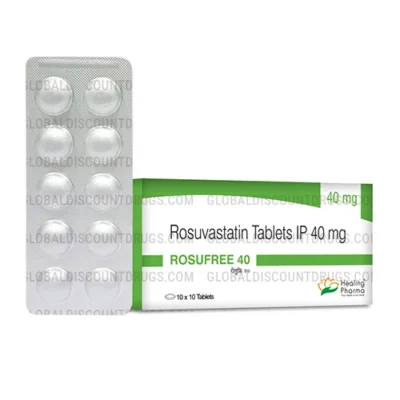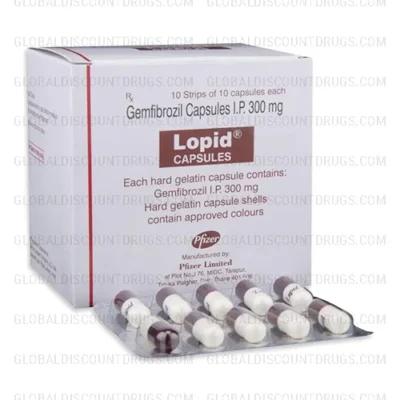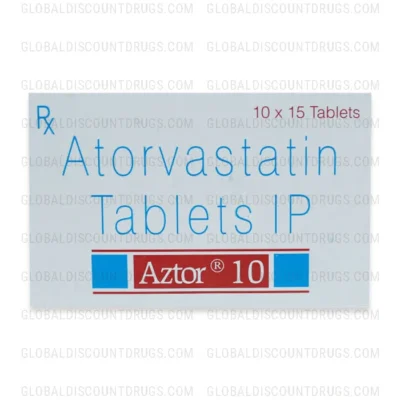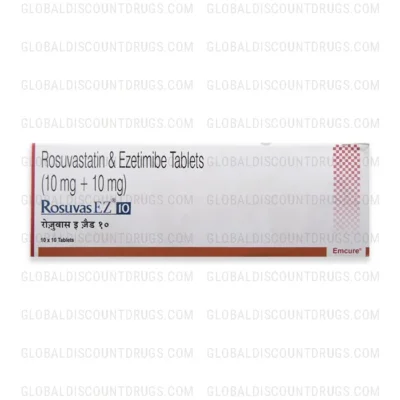

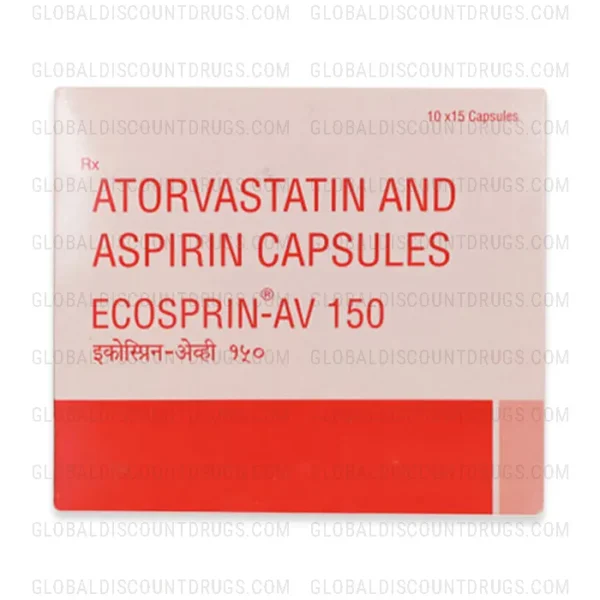
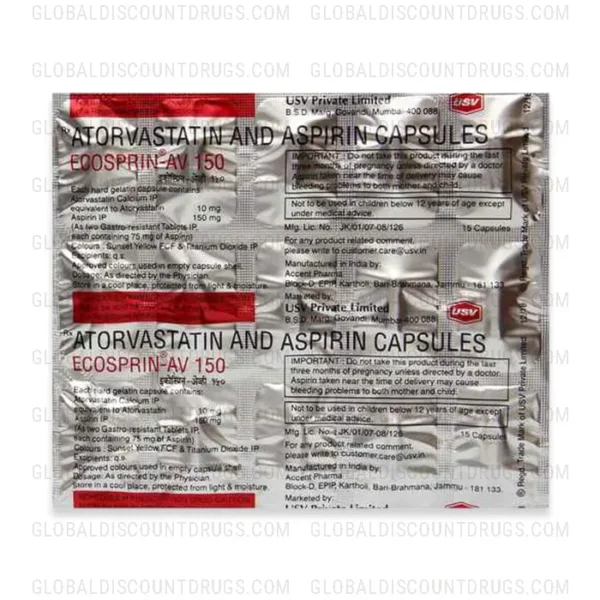
Atorvastatin-Aspirin 10mg-150mg Capsules
In StockAtorvastatin 10 mg–Aspirin 150 mg Capsule provides dual therapy for lipid management and platelet inhibition in selected cardiovascular conditions. Continue treatment only under medical supervision.
| Active Ingredient: | Atorvastatin-Aspirin |
|---|---|
| Indication: | Cardiovascular Prevention |
| Strength: | 10mg-150mg |
| Dosage Form: | Capsules |
| Manufacturer: | USV Ltd |

What Are Atorvastatin-Aspirin 10mg/150mg Capsules?
Atorvastatin-Aspirin 10mg/150mg is a fixed-dose combination prescription capsule that lowers LDL cholesterol while simultaneously reducing platelet aggregation to lower cardiovascular event risk. It contains atorvastatin calcium, a statin that blocks cholesterol production in the liver, and aspirin, an antiplatelet agent that helps prevent blood clots. This combination is used in adults who need both cholesterol control and antiplatelet protection, typically in cardiovascular risk management, and must be taken only under a licensed physician’s supervision.
Prescription Status and Regulatory Classification
Atorvastatin-Aspirin 10mg/150mg capsules are a prescription-only medication in the United States. The atorvastatin component is classified as a prescription drug under FDA regulations, and the fixed-dose combination requires medical authorization before dispensing. While aspirin is available over the counter in its standalone form, this particular combination product requires a physician’s evaluation and ongoing monitoring to ensure safe and appropriate use.
Understanding the Condition This Medication Addresses
Cardiovascular disease remains a leading cause of death among adults in the United States. Many individuals at elevated cardiovascular risk have two simultaneous problems: high LDL cholesterol that contributes to arterial plaque buildup, and an increased tendency for blood platelets to clump together and form dangerous clots.
When both conditions are present, treating only one may leave a patient inadequately protected. Physicians often look for ways to address both risk factors in a regimen that supports patient adherence and simplicity.
Atorvastatin-Aspirin 10mg/150mg is designed for patients who have already been evaluated and deemed appropriate candidates for statin therapy alongside low-dose antiplatelet therapy, particularly those with established cardiovascular disease or a significantly elevated risk profile as determined by their physician.
How Atorvastatin-Aspirin 10mg/150mg Works
Atorvastatin Component: Atorvastatin belongs to a class of drugs called HMG-CoA reductase inhibitors, commonly known as statins. It works by blocking the enzyme HMG-CoA reductase, which the liver needs to produce cholesterol. By reducing internal cholesterol production, the liver draws more LDL cholesterol from the bloodstream, leading to lower circulating LDL levels and stabilization of arterial plaques over time.
Aspirin Component: Aspirin at 150mg acts as an antiplatelet agent by irreversibly inhibiting cyclooxygenase-1 (COX-1) in platelets. This prevents the formation of thromboxane A2, a compound that normally triggers platelets to clump together. By reducing platelet aggregation, aspirin lowers the likelihood of a clot forming in a narrowed or damaged artery, which is the immediate trigger of most heart attacks and many strokes.
Combined Benefit: Together, these two mechanisms address both the long-term structural problem of cholesterol-related plaque and the acute clotting risk, providing a layered approach to cardiovascular protection for appropriate patients.
Drug Profile at a Glance
| Category | Details |
|---|---|
| Drug Class | Statin (HMG-CoA reductase inhibitor) + Antiplatelet agent |
| Active Ingredients | Atorvastatin Calcium 10mg, Aspirin 150mg |
| Dosage Form | Oral capsule |
| Dosing Frequency | Typically once daily, as directed by a physician |
| Regulatory Status | Prescription-only (United States) |
| Storage Class | Room temperature, protect from moisture |
Approved Uses and Indications
Cardiovascular Risk Reduction in High-Risk Adults This combination is used in adults with established cardiovascular disease or those at high risk, where both LDL lowering and antiplatelet therapy have been deemed medically appropriate by a physician.
Hyperlipidemia Management (Atorvastatin) The atorvastatin component is indicated to reduce elevated total cholesterol, LDL cholesterol, apolipoprotein B, and triglycerides, and to increase HDL cholesterol in patients with primary hyperlipidemia or mixed dyslipidemia.
Secondary Prevention of Cardiovascular Events (Aspirin) The aspirin component is used to reduce the risk of repeat myocardial infarction and stroke in patients with a prior cardiovascular event, and in patients with certain stable angina conditions, as directed by a physician.
Note: Use of this combination is determined by your physician based on your individual cardiovascular risk profile. Not every patient requiring atorvastatin will also require aspirin therapy, and this combination should not be self-selected.
Dosage and Administration
Your physician will determine the correct dose based on your cholesterol levels, cardiovascular risk, history of GI sensitivity, and other medications. The general guidance below is for informational purposes only.
Timing: Atorvastatin-Aspirin capsules are typically taken once daily. Atorvastatin can be taken at any time of day, but aspirin is often taken with food or a full glass of water to reduce gastric irritation. Follow your physician’s specific timing instructions.
Swallow Whole: Do not crush, chew, or open the capsule unless your physician or pharmacist specifically advises otherwise.
Missed Dose: If you miss a dose and remember the same day, take it as soon as possible. If it is almost time for your next dose, skip the missed dose and resume your regular schedule. Do not double up doses.
Do Not Stop Without Medical Guidance: Stopping atorvastatin suddenly does not typically cause a rebound effect, but abrupt discontinuation of aspirin therapy in certain cardiovascular patients may increase clotting risk. Always consult your physician before stopping this medication.
Side Effects
Most people who take Atorvastatin-Aspirin 10mg/150mg tolerate it reasonably well. Side effects do occur in some patients and range from mild to, in rare cases, serious. Being aware of what to watch for allows you to seek timely help if needed.
Common Side Effects Patients may experience mild digestive discomfort, nausea, heartburn, or stomach upset, which is most often related to the aspirin component. Muscle soreness, weakness, or fatigue has been reported with statin use and should be mentioned to your physician at your next visit. Headaches and mild dizziness are also occasionally reported. These effects are usually manageable and often resolve as your body adjusts.
Serious Side Effects Requiring Prompt Medical Attention Statins carry a low but real risk of a condition called myopathy, which in rare cases can progress to rhabdomyolysis, a serious breakdown of muscle tissue that can damage the kidneys. Aspirin therapy can cause or worsen gastrointestinal bleeding, which may present as dark or tarry stools, vomiting blood, or unusual stomach pain. Liver enzyme elevations have been reported with atorvastatin, and while typically asymptomatic, they require monitoring.
Emergency Warning Signs — Seek Immediate Medical Care If You Experience:
- Unexplained severe muscle pain, tenderness, or weakness
- Dark, red, or cola-colored urine
- Yellowing of the skin or whites of the eyes (jaundice)
- Severe abdominal pain or blood in stool
- Vomiting material that looks like coffee grounds
- Sudden confusion, difficulty speaking, or one-sided weakness
- Signs of a severe allergic reaction: hives, swelling of face or throat, difficulty breathing
Warnings and Precautions
Muscle-Related Risks (Myopathy and Rhabdomyolysis) Atorvastatin can cause muscle damage in some patients. Risk is higher in those taking certain other medications, in older adults, in patients with kidney disease, and in those with prior muscle conditions. Report unexplained muscle pain or weakness to your physician without delay.
Liver Function Atorvastatin has been associated with elevations in liver enzymes. Your physician may order liver function tests before starting therapy and periodically thereafter. Avoid or limit alcohol consumption during treatment, as alcohol also stresses the liver.
Gastrointestinal Bleeding Risk Aspirin at any dose increases the risk of gastrointestinal bleeding, particularly in patients over 60, those with a history of peptic ulcers, those taking corticosteroids or other NSAIDs, and heavy alcohol users. Your physician will weigh this risk against the antiplatelet benefit before prescribing.
Drug Interactions Atorvastatin interacts with several medications that can increase statin concentration in the blood and raise the risk of muscle damage. These include clarithromycin, erythromycin, certain antifungal agents such as itraconazole and fluconazole, cyclosporine, and some HIV protease inhibitors. Aspirin interacts with anticoagulants such as warfarin and other blood thinners, increasing bleeding risk. Concurrent use of other NSAIDs such as ibuprofen or naproxen with aspirin may reduce aspirin’s antiplatelet effect and increase GI side effects. Always give your physician and pharmacist a full list of your current medications, including supplements.
Pregnancy and Breastfeeding Atorvastatin is contraindicated during pregnancy. Statins may harm a developing fetus, and women of childbearing age should use effective contraception during treatment. The aspirin component also carries risks during pregnancy, particularly in the third trimester. Consult your physician immediately if you become pregnant while taking this medication. Both components may pass into breast milk; discuss risks with your physician before breastfeeding.
Older Adults Patients over 65 may have a higher risk of both statin-related muscle effects and aspirin-related gastrointestinal bleeding. Closer monitoring may be appropriate.
Patients with Kidney Disease Impaired kidney function increases the risk of statin-related myopathy. Dose adjustments or alternative therapy may be needed.
Patients with Asthma or Aspirin Sensitivity Aspirin can trigger bronchospasm in patients with aspirin-sensitive asthma. This combination should not be used in such patients.
Who Should Not Use This Medication
- Patients with a known allergy or hypersensitivity to atorvastatin, aspirin, or any component of the capsule
- Pregnant women or those planning to become pregnant
- Patients with active liver disease or persistently elevated liver enzymes of unknown cause
- Patients with a history of aspirin-induced asthma, urticaria, or rhinitis
- Patients with active peptic ulcer disease or significant gastrointestinal bleeding
- Patients with bleeding disorders such as hemophilia
- Children and adolescents, unless specifically directed by a specialist
- Patients currently taking medications with a known serious interaction with either component, without physician evaluation
Storage Instructions
Temperature: Store at controlled room temperature, between 68 degrees F and 77 degrees F (20 degrees C to 25 degrees C). Short-term excursions to temperatures between 59 degrees F and 86 degrees F are generally acceptable.
Moisture and Light: Keep the capsules in their original container with the cap tightly closed. Do not store in a bathroom cabinet or near a sink, as moisture and heat can degrade the medication. Keep away from direct sunlight.
Child Safety: Store in a location that is completely out of reach of children and pets. Do not transfer capsules to pill organizers that are not child-resistant.
Disposal: Do not flush unused medication down the toilet. Use an FDA-approved drug take-back program or follow your pharmacist’s guidance on safe disposal.
Frequently Asked Questions
Does Atorvastatin-Aspirin 10mg/150mg require a prescription in the US?
Yes, this combination requires a valid prescription from a licensed physician. Although aspirin alone is sold over the counter, the fixed-dose combination with atorvastatin is a prescription product because atorvastatin requires medical evaluation and regular monitoring. Your physician will assess your cholesterol levels, cardiovascular risk, and current medications before prescribing this capsule.
How long does it take for Atorvastatin-Aspirin 10mg/150mg to work?
Atorvastatin typically begins lowering LDL cholesterol within one to two weeks, with maximum effect seen around four weeks of consistent use. Aspirin’s antiplatelet action begins within 30 to 60 minutes of the first dose. Your physician will likely check your lipid panel four to twelve weeks after starting therapy to assess your response and adjust the dose if needed.
Is it safe to stop taking this medication suddenly?
You should not stop taking this medication without talking to your physician first. Discontinuing aspirin abruptly, especially in patients with a history of heart attack or stent placement, may temporarily increase clotting risk. Stopping atorvastatin suddenly is generally less dangerous but can allow cholesterol levels to rise again. Always discuss any decision to stop with your physician.
What medications can interact with this capsule?
Several drugs interact with the components of this capsule. Atorvastatin interacts with certain antibiotics such as clarithromycin, antifungals like itraconazole, and some HIV medications, all of which can raise statin levels in the blood. The aspirin component interacts with blood thinners like warfarin and other NSAIDs. Always share a complete medication list with your physician and pharmacist before starting this combination.
What happens if I miss a dose?
If you miss a dose, take it as soon as you remember on the same day. If you only realize the next day, skip the missed dose entirely and continue with your regular schedule. Never take two doses at once to make up for a missed one. If you frequently forget doses, speak with your pharmacist about strategies to improve adherence.
What is the cost of Atorvastatin-Aspirin 10mg/150mg without insurance?
The cost without insurance depends on the seller, brand availability, and pack size, and may also vary by location and available discounts. Generic versions of atorvastatin are generally affordable in the US, though the fixed-dose combination with aspirin may have different pricing. Ask your pharmacist about generic availability, manufacturer coupons, or patient assistance programs that may reduce your out-of-pocket cost.
How can I order Atorvastatin-Aspirin 10mg/150mg online?
A valid prescription from a licensed physician is required to order this medication online. The process typically involves uploading your prescription or having your physician send it directly to a licensed online pharmacy, placing your order, and arranging home delivery. For safety, use only pharmacies verified by the National Association of Boards of Pharmacy (NABP) and confirmed at safe.pharmacy to ensure you receive a genuine, properly stored product.
Is Atorvastatin-Aspirin 10mg/150mg available over the counter?
No. This fixed-dose combination is not available over the counter in the United States or in most countries. While aspirin on its own is sold without a prescription, atorvastatin requires a physician’s order and the combined capsule is a prescription-only product. Medical supervision is required to monitor cholesterol response, liver enzymes, and potential drug interactions throughout treatment.
Resources
- DailyMed — Atorvastatin Calcium Prescribing Information: https://dailymed.nlm.nih.gov/dailymed/search.cfm?labeltype=all&query=atorvastatin
- MedlinePlus — Atorvastatin: https://medlineplus.gov/druginfo/meds/a600045.html
- FDA Drug Safety Communication on Statins: https://www.fda.gov/drugs/drug-safety-and-availability/fda-drug-safety-communication-important-safety-label-changes-cholesterol-lowering-statin-drugs
Disclaimer:
This content is for informational purposes only and does not constitute medical advice, diagnosis, or treatment. Consult a qualified specialist or physician before using Atorvastatin-Aspirin 10mg/150mg Capsules. Read our medical disclaimer for more details.
Prescription Required (Rx) to Buy?
This medication is not available over the counter. A valid prescription from a licensed healthcare
professional is required. Always consult your doctor before use.
| Quantity | 120, 240, 360, 480 |
|---|---|
| Indication | Cardiovascular Prevention |
| Active Ingredient | Atorvastatin-Aspirin |
| Pharmaceutical Form | Capsules |
| Manufacturer | USV Ltd |
| Indian Brand | Ecosprin-AV 150 |
| US Brand Name | Atorvastatin-Aspirin |
| Generic Name | Atorvastatin-Aspirin |
| Dosage | 10mg-150mg |
| Drug Type | Capsules |