 Offer Zone
Cholesterol Medications
Cholesterol medications are treatments commonly prescribed to help manage cholesterol levels and support cardiovascular health. Commonly prescribed cholesterol medications may include Atorvastatin, Rosuvastatin, Simvastatin, Ezetimibe, Bempedoic acid, Fenofibrate and other lipid-lowering therapies. Treatment recommendations are based on factors such as cholesterol levels, cardiovascular risk, medical history, treatment goals, and overall health, and should be made by a qualified healthcare professional.
Cholesterol




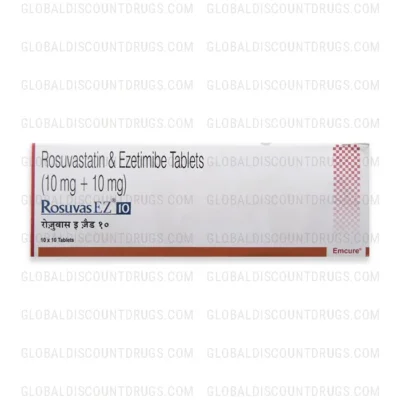
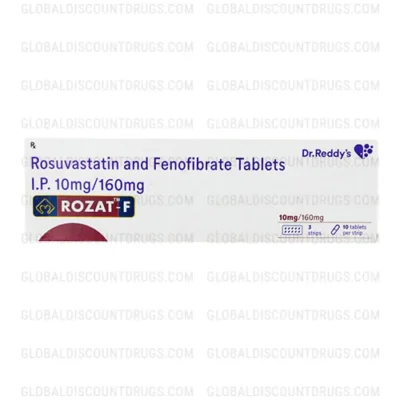
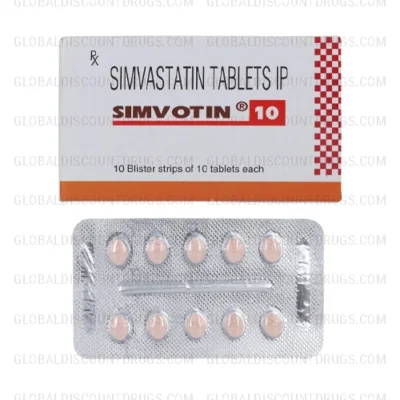
How Cholesterol Medications Help
Cholesterol is a waxy substance found in the blood that plays an important role in several bodily functions. However, elevated cholesterol levels may contribute to the buildup of fatty deposits in blood vessels over time.
Depending on the treatment selected, cholesterol medications may help:
- Support healthy cholesterol management
- Lower low-density lipoprotein (LDL) cholesterol levels
- Improve lipid profiles
- Support cardiovascular health
- Assist in long-term cholesterol management
- Complement lifestyle and dietary measures
Treatment plans may vary based on individual risk factors, laboratory results, and healthcare provider recommendations.
Common Types of Cholesterol Medications
Several categories of medications are commonly used in cholesterol management.
Statins
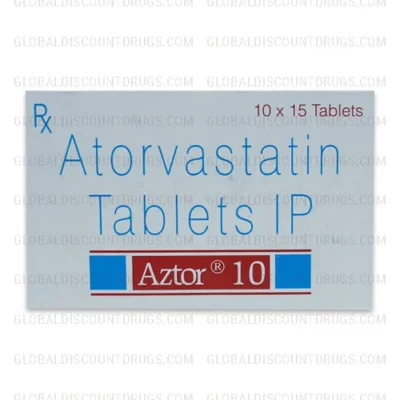
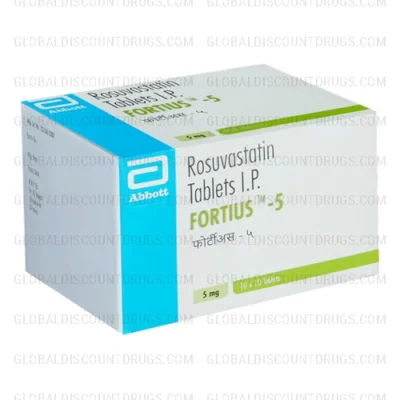
Statins are among the most commonly prescribed cholesterol medications and are used to help manage cholesterol levels.
Examples include:
- Atorvastatin
- Rosuvastatin
- Simvastatin
- Pravastatin
- Lovastatin
Cholesterol Absorption Inhibitors
These medications help reduce cholesterol absorption in the digestive tract.
Examples include:
- Ezetimibe
Fibrates
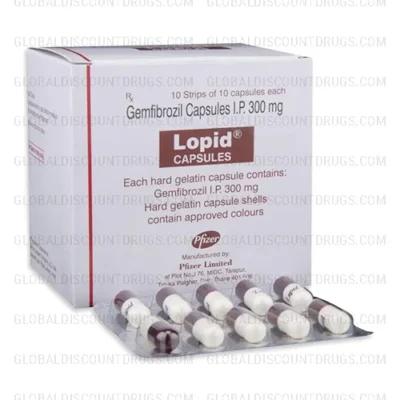
Fibrates may be prescribed to help manage certain lipid abnormalities.
Examples include:
- Fenofibrate
- Gemfibrozil
PCSK9 Inhibitors
PCSK9 inhibitors are advanced lipid-lowering therapies that may be considered for certain patients.
Examples include:
- Evolocumab
- Alirocumab
Combination Therapies
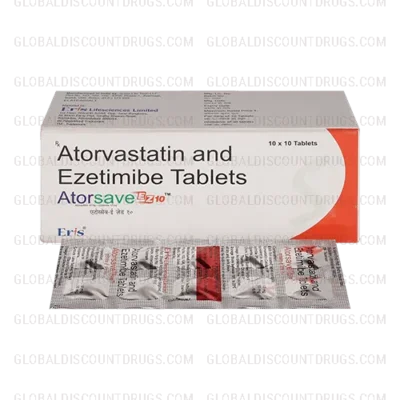
Some treatment plans may include more than one cholesterol-lowering medication to help achieve treatment goals.
Common Cholesterol Medications Available
Products available within this category may include:
- Atorvastatin
- Rosuvastatin
- Simvastatin
- Pravastatin
- Ezetimibe
- Fenofibrate
- Gemfibrozil
- Combination lipid-lowering therapies
Each medication works differently and may be selected based on an individual's cholesterol profile, cardiovascular risk factors, and healthcare provider recommendations.
Choosing the Right Cholesterol Treatment
Healthcare professionals consider several factors when recommending cholesterol medications, including:
- Cholesterol levels
- Cardiovascular risk
- Age
- Family history
- Existing medical conditions
- Diabetes status
- Blood pressure
- Current medications
- Treatment goals
Because cardiovascular risk varies between individuals, treatment plans should be tailored and reviewed regularly by a healthcare professional.
Important Safety Information
Cholesterol medications should be used exactly as prescribed.
Important considerations include:
- Regular cholesterol testing may be recommended.
- Follow-up appointments help monitor treatment response.
- Inform your healthcare provider about all medications and supplements being used.
- Lifestyle modifications may remain an important part of cholesterol management.
- Do not stop prescription medications without consulting your healthcare provider.
Speak with a qualified healthcare professional if you have questions regarding cholesterol management or medication use.
Frequently Asked Questions
What medications are commonly used for high cholesterol?
Common cholesterol medications may include Atorvastatin, Rosuvastatin, Simvastatin, Pravastatin, Ezetimibe, Fenofibrate, and other lipid-lowering therapies.
Do cholesterol medications require a prescription?
Many cholesterol medications require a valid prescription. Requirements may vary depending on the medication and local regulations.
Can cholesterol medications be used long term?
Many cholesterol medications are prescribed for long-term use as part of an ongoing cholesterol management plan. Treatment duration varies by individual needs.
How do healthcare providers choose cholesterol medications?
Treatment selection is based on cholesterol levels, cardiovascular risk factors, medical history, current medications, and treatment goals.
Are lifestyle changes still important when taking cholesterol medications?
Lifestyle measures such as healthy eating habits, physical activity, and other healthcare provider recommendations may continue to play an important role in cholesterol management.
How often should cholesterol levels be monitored?
Monitoring schedules vary depending on individual health needs and treatment plans. A healthcare professional can recommend appropriate testing intervals.
Can cholesterol treatment plans change over time?
Yes. Treatment plans may be adjusted based on cholesterol levels, health status, treatment response, and changes in cardiovascular risk factors.
Editorial Sources
The information on this page is intended to support patient education and provide general information about cholesterol medications commonly used in clinical practice. Content has been developed using evidence-based cardiovascular health guidance and patient education resources published by recognized healthcare organizations. These resources are widely used by cardiologists, primary care physicians, lipid specialists, and other healthcare professionals to support cholesterol evaluation, treatment planning, and long-term cardiovascular risk management.
The organizations referenced below publish clinical guidance, patient education materials, and evidence-based treatment recommendations that help inform cholesterol care and medication management.
Related Resources:
Complete Guide to High Cholesterol
High Cholesterol Symptoms and Warning Signs
What Causes High Cholesterol
How High Cholesterol Is Diagnosed
Managing High Cholesterol
Key sources include:
- American Heart Association (AHA)
- National Heart, Lung, and Blood Institute (NHLBI)
- Centers for Disease Control and Prevention (CDC) – Cholesterol
- MedlinePlus – High Cholesterol
- American College of Cardiology (ACC)
Medical Disclaimer
The information provided on this page is for general educational purposes only and should not replace professional medical advice, diagnosis, or treatment. Cholesterol medications should be used only under the supervision of a qualified healthcare professional. Read our full medical disclaimer for more details.
