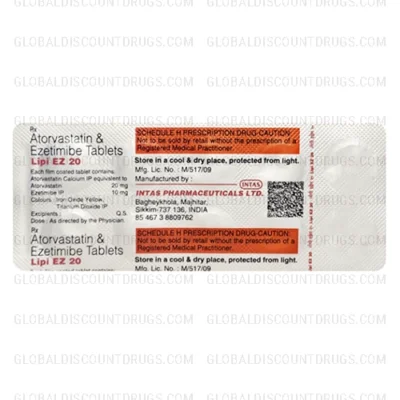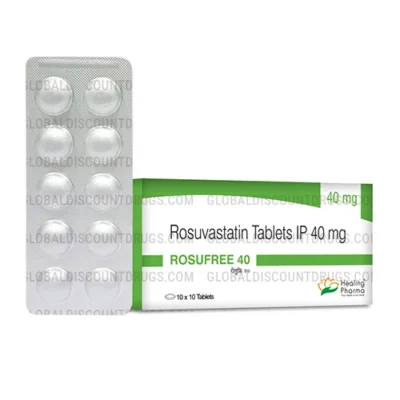

Rosuvastatin-Fenofibrate
In StockRosuvastatin-Fenofibrate combination controls cholesterol and triglycerides. Rosuvastatin reduces LDL levels, and Fenofibrate lowers triglycerides effectively. It improves heart and liver health. Regular use maintains good blood circulation. It’s a comprehensive therapy for managing lipid disorders.

What is Rosuvastatin-Fenofibrate?
Rosuvastatin-fenofibrate is a prescription combination medication that contains two active ingredients: rosuvastatin, which belongs to a class of drugs called HMG-CoA reductase inhibitors (commonly known as statins), and fenofibrate, which belongs to a class of drugs called fibric acid derivatives (fibrates).
This combination is commonly prescribed to help manage cholesterol and triglyceride levels in adults, typically as part of a broader treatment plan that includes diet and lifestyle changes. It is generally used for patients who have not achieved adequate control of their cholesterol and triglycerides with a single medication alone, or for whom a healthcare provider has determined combination therapy is appropriate.
Available formulations: Rosuvastatin-fenofibrate is available as an oral tablet or capsule, in various fixed-dose combination strengths that pair different amounts of rosuvastatin with different amounts of fenofibrate. It is not available as a liquid, injectable, or topical product.
What is the Recommended Dosage of Rosuvastatin-Fenofibrate?
Dosage of rosuvastatin-fenofibrate depends on several individual factors, including:
- The patient’s baseline cholesterol and triglyceride levels
- Age
- Kidney function, since fenofibrate is affected by and can affect kidney function
- Liver function, since both components are processed by the liver
- Other medications being taken, particularly other cholesterol-lowering drugs
- Response to treatment, as monitored through periodic blood tests
Because dosing depends on individual lab values and health status, this page does not provide specific dosing numbers. Only a licensed cardiologist, endocrinologist, primary care physician, or other qualified specialist can determine the correct strength and schedule for a given patient. Dosing must never be adjusted without medical guidance.
How Rosuvastatin-Fenofibrate Works
This combination medication works through two complementary mechanisms:
- Rosuvastatin reduces the liver’s production of cholesterol by blocking an enzyme involved in cholesterol synthesis, which helps lower low-density lipoprotein (“bad”) cholesterol and can modestly raise high-density lipoprotein (“good”) cholesterol.
- Fenofibrate primarily helps lower triglyceride levels and can raise HDL cholesterol by affecting the activity of certain proteins and enzymes involved in fat metabolism.
Together, these two components help manage overall lipid (fat) levels in the blood. Rosuvastatin-fenofibrate manages, rather than cures, abnormal cholesterol and triglyceride levels, and is typically used as part of an ongoing, long-term treatment plan alongside dietary and lifestyle measures.
Is a Prescription Required to Buy Rosuvastatin-Fenofibrate Online?
Yes. Rosuvastatin-fenofibrate is a prescription-only medication and cannot be legally purchased without a valid prescription from a licensed healthcare provider.
Because this medication requires baseline and ongoing monitoring of cholesterol, triglycerides, liver function, and kidney function, it should only be prescribed and managed by a licensed cardiologist, endocrinologist, primary care physician, or other qualified specialist familiar with the patient’s full medical history.
Patients should be cautious of:
- Websites offering rosuvastatin-fenofibrate without a prescription
- Unusually low prices, which may indicate counterfeit or substandard products
- Products marketed for veterinary or non-human use
- Sellers that are not licensed pharmacies
Rosuvastatin-fenofibrate should only be obtained from a licensed pharmacy using a valid prescription to ensure the product is safe, authentic, and correctly dosed.
Side Effects of Rosuvastatin-Fenofibrate
Common Side Effects
These are generally mild and may lessen over time, but should be discussed with a healthcare provider if bothersome:
- Headache
- Muscle aches or stiffness
- Nausea, stomach upset, or diarrhea
- Mild abdominal pain
- Fatigue
Serious Side Effects
Some side effects are less common but require prompt medical attention:
- Signs of muscle breakdown (severe, unexplained muscle pain, tenderness, or weakness, especially with fever or dark urine)
- Signs of liver problems (yellowing of the skin or eyes, dark urine, severe fatigue, loss of appetite, upper abdominal pain)
- Signs of gallbladder problems (severe abdominal pain, especially after eating)
- Signs of pancreatitis (severe abdominal pain that may spread to the back, nausea, vomiting)
- Signs of an allergic reaction (swelling of the face, lips, or throat; difficulty breathing; severe rash)
- Unusual bleeding or bruising, particularly in patients also taking blood thinners
Patients or caregivers should seek immediate medical attention if any of these serious symptoms occur. This list is not exhaustive, and any new or worsening symptoms should be reported to the prescribing specialist promptly.
Drug Interactions
Rosuvastatin-fenofibrate can interact with a range of other medications and substances, including:
- Other cholesterol-lowering medications, particularly other statins or fibrates, which may increase the risk of muscle-related side effects
- Blood thinners (anticoagulants), where interactions may affect bleeding risk and require closer monitoring
- Certain medications that affect liver enzymes involved in processing rosuvastatin
- Cyclosporine and certain other immunosuppressant medications
- Over-the-counter medications, including some pain relievers
- Herbal products and dietary supplements, including some that affect liver metabolism
Patients should provide their licensed medical specialist and pharmacist with a complete and current list of all prescription medications, over-the-counter drugs, vitamins, and herbal supplements before starting rosuvastatin-fenofibrate and throughout treatment.
Safety & Important Considerations
- Liver function: Both components are processed by the liver, and periodic liver function testing is typically recommended before and during treatment.
- Kidney function: Fenofibrate is affected by kidney function and may require dose adjustment or may not be appropriate for patients with significant kidney impairment. Kidney function is typically monitored during treatment.
- Muscle-related risk: Combination statin-fibrate therapy carries an increased risk of muscle-related side effects, including rare but serious muscle breakdown (rhabdomyolysis). Patients should promptly report unexplained muscle pain, tenderness, or weakness.
- Pregnancy and breastfeeding: Rosuvastatin-fenofibrate is generally not recommended during pregnancy or breastfeeding, as cholesterol-lowering therapy is not typically needed during pregnancy and may pose risks to a developing fetus. Patients should discuss family planning with their specialist.
- Age-related considerations: Older adults may be at higher risk for muscle-related side effects and may require closer monitoring. This combination is generally not used in children.
- Monitoring requirements: Regular blood tests to monitor cholesterol, triglycerides, liver function, and kidney function are typically part of ongoing treatment.
- FDA safety information: Statin and fibrate combination therapy carries labeling regarding risks of muscle toxicity, liver effects, and gallbladder-related effects. Patients should review the FDA-approved prescribing information with their specialist.
This medication should be used only for its approved indications, as determined by the prescribing specialist.
Who This Medication Is For
Rosuvastatin-fenofibrate is typically prescribed for adults with elevated cholesterol and triglyceride levels who have not achieved adequate control with lifestyle changes or a single lipid-lowering medication alone, and for whom a healthcare provider has determined that combination therapy is appropriate based on their overall cardiovascular risk profile.
Who Should Not Take Rosuvastatin-Fenofibrate
Rosuvastatin-fenofibrate may not be appropriate for individuals who:
- Have a known hypersensitivity or allergic reaction to rosuvastatin, fenofibrate, or related medications
- Have active liver disease or unexplained, persistent elevations in liver function tests
- Have severe kidney impairment, unless specifically directed and closely monitored by a specialist
- Have gallbladder disease
- Are pregnant or breastfeeding
- Are taking certain other medications that significantly increase the risk of muscle-related side effects, unless carefully managed by a specialist
This is not a complete list of contraindications. A licensed specialist must review a patient’s full medical history before prescribing rosuvastatin-fenofibrate.
What to Do If You Miss a Dose
If a dose of rosuvastatin-fenofibrate is missed, patients should generally take it as soon as they remember, unless it is close to the time of the next scheduled dose, in which case the missed dose is typically skipped.
Patients should never take two doses at once to make up for a missed dose. If there is any uncertainty about what to do after a missed dose, patients or caregivers should contact the prescribing specialist or pharmacist for guidance specific to their treatment plan.
Related medications to Rosuvastatin-Fenofibrate
Related to Rosuvastatin-Fenofibrate depend on the lipid problem: high LDL, high triglycerides, or mixed dyslipidemia. Rosuvastatin is a statin used to lower cholesterol and reduce heart attack/stroke risk, while fenofibrate is a fibrate used mainly to reduce triglycerides and mixed lipid levels. (MedlinePlus)
Statin alternatives:
- Atorvastatin
- Simvastatin
- Pravastatin
- Pitavastatin
- Fluvastatin
- Lovastatin
Fibrate / triglyceride-lowering alternatives:
- Fenofibrate
- Fenofibric Acid
- Gemfibrozil
- Icosapent Ethyl
- Prescription Omega-3 Fatty Acids
- Niacin
Non-statin LDL-lowering alternatives:
- Ezetimibe
- Bempedoic Acid
- Evolocumab
- Alirocumab
- Inclisiran
Important Safety Note
Avoid assuming gemfibrozil + statin is a simple substitute for fenofibrate + statin. Fibrate-statin combinations can increase the risk of muscle injury, and fenofibrate is generally preferred over gemfibrozil when a fibrate must be used with a statin. (NCBI)
Do not stop or switch Rosuvastatin-Fenofibrate without a doctor’s advice, especially if triglycerides are very high, because treatment choice depends on LDL, triglycerides, liver function, kidney function, diabetes status, and heart-risk level.
Storage Instructions
- Store at room temperature, generally between 68°F and 77°F (20°C to 25°C), unless otherwise directed on the label.
- Keep the medication in its original container, protected from excess moisture and light.
- Do not store in a bathroom or other areas with high humidity.
- Keep out of reach of children and pets at all times, ideally in a locked or secured location.
- Do not use rosuvastatin-fenofibrate past its expiration date, and dispose of unused medication according to pharmacist or local guidelines rather than discarding it in household trash.
Disclaimer:
This page is for educational purposes only. It is not a substitute for professional medical advice, diagnosis, or treatment. Patients must consult a licensed cardiologist, endocrinologist, or other relevant medical specialist before starting, changing, or stopping treatment with rosuvastatin-fenofibrate. Treatment decisions must be based on a full clinical evaluation by a qualified specialist.
Prescription Required (Rx) to Buy?
This medication is not available over the counter. A valid prescription from a licensed healthcare
professional is required. Always consult your doctor before use.