
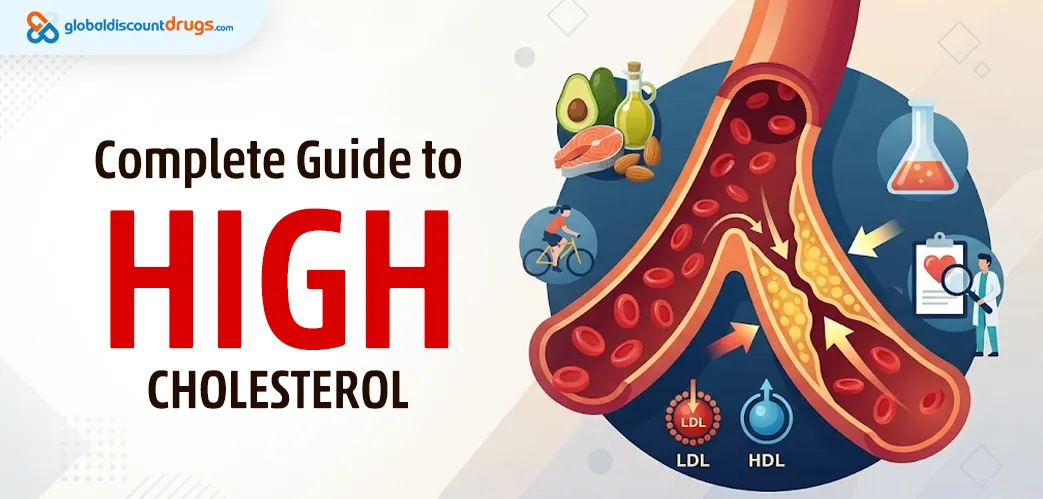
Complete Guide to High Cholesterol
Complete Guide to High Cholesterol: Causes, Symptoms, Diagnosis, Treatment, and Prevention
Key Takeaways
- High cholesterol occurs when cholesterol levels in the blood become elevated.
- Most people with high cholesterol do not experience noticeable symptoms.
- Blood tests are commonly used to diagnose and monitor cholesterol levels.
- Lifestyle changes and medications may be used to help manage cholesterol levels.
- Regular monitoring and healthcare visits can support long-term cardiovascular health.
Quick Answer: What Is High Cholesterol?
High cholesterol is a condition in which cholesterol levels in the bloodstream become elevated. Because cholesterol often does not cause noticeable symptoms, many people are unaware they have high cholesterol until routine blood testing identifies it. Managing cholesterol levels may help support heart and blood vessel health.What Is Cholesterol?
Cholesterol is a waxy substance found throughout the body. The body uses cholesterol to help:- Build cells
- Produce hormones
- Support certain bodily functions
Understanding Different Types of Cholesterol
LDL Cholesterol
Low-density lipoprotein (LDL) cholesterol is often referred to as "bad" cholesterol because elevated levels may contribute to plaque buildup within arteries.HDL Cholesterol
High-density lipoprotein (HDL) cholesterol is commonly called "good" cholesterol because it helps transport excess cholesterol away from the bloodstream.Triglycerides
Triglycerides are a type of fat found in the blood. Elevated triglyceride levels may also contribute to cardiovascular risk.Quick Facts About High Cholesterol
| Fact | Information |
|---|---|
| Condition Type | Lipid disorder |
| Common Symptoms | Often none |
| Diagnosis Method | Lipid panel blood test |
| Major Risk Factors | Diet, genetics, inactivity, obesity |
| Common Treatments | Lifestyle changes and medications |
| Monitoring Method | Cholesterol testing |
| Related Conditions | Heart disease, stroke, diabetes |
High Cholesterol Symptoms
High cholesterol is often called a "silent condition" because most individuals do not experience obvious symptoms. Many people discover they have high cholesterol through routine blood testing. Because symptoms are often absent, regular screening may be important for individuals with risk factors. Learn More Read our guide on High Cholesterol Symptoms and Warning Signs.What Causes High Cholesterol?
Several factors may contribute to elevated cholesterol levels.Lifestyle Factors
- Diet
- Physical inactivity
- Excess body weight
- Smoking
Genetic Factors
Some individuals inherit conditions that affect cholesterol metabolism.Medical Conditions
Certain health conditions may influence cholesterol levels. Examples include:- Diabetes
- Kidney disease
- Thyroid disorders
Risk Factors for High Cholesterol
Several factors may increase the likelihood of developing high cholesterol.Family History
Genetics may influence cholesterol levels.Increasing Age
Risk often increases with age.Physical Inactivity
Regular activity may help support healthy cholesterol levels.Excess Body Weight
Maintaining a healthy weight may support cardiovascular health.Smoking
Smoking may affect blood vessel health and cholesterol balance.How High Cholesterol Is Diagnosed
Healthcare professionals commonly use blood tests to evaluate cholesterol levels.Lipid Panel
A lipid panel may measure:- Total cholesterol
- LDL cholesterol
- HDL cholesterol
- Triglycerides
Cholesterol Screening
Routine screening may help identify elevated cholesterol levels before symptoms or complications occur. Learn More Read How High Cholesterol Is Diagnosed: Lipid Tests and Cholesterol Screening.Treatment Options for High Cholesterol
Treatment recommendations vary based on individual health needs and risk factors.Lifestyle Modifications
Healthcare professionals often discuss:- Nutrition
- Physical activity
- Weight management
- Smoking cessation
Medications
When appropriate, medications may be prescribed to help manage cholesterol levels. Medication classes may include:- Statins
- Cholesterol absorption inhibitors
- Fibrates
- Combination therapies
Common Cholesterol Medications
| Medication Class | Examples |
|---|---|
| Statins | Rosuvastatin, Atorvastatin, Simvastatin |
| Cholesterol Absorption Inhibitors | Ezetimibe |
| Fibrates | Fenofibrate, Gemfibrozil |
Explore Cholesterol Medications
Browse our Cholesterol Medications category to learn more about products commonly used in cholesterol management.Managing High Cholesterol
Long-term cholesterol management often involves a combination of healthy lifestyle habits and routine healthcare monitoring.Healthy Eating
Many healthy eating patterns emphasize:- Vegetables
- Fruits
- Whole grains
- Lean proteins
Physical Activity
Regular movement may support cardiovascular health.Routine Monitoring
Follow-up cholesterol testing may help healthcare professionals evaluate progress. Learn More Read Managing High Cholesterol: Diet, Exercise, and Lifestyle Tips.Related Conditions
High cholesterol is often discussed alongside:- Heart Disease
- Stroke
- Diabetes
- High Blood Pressure
- Obesity
- Metabolic Syndrome
Potential Complications
When cholesterol levels remain elevated over long periods, plaque may gradually build up within blood vessels. Potential complications may involve:Coronary Artery Disease
Heart Attack
Stroke
Peripheral Artery Disease
Not everyone with high cholesterol develops complications, and individual risk factors vary.When Medical Advice May Be Needed
Consider discussing cholesterol testing with a healthcare professional if:- You have a family history of high cholesterol.
- You have diabetes or high blood pressure.
- You have previously been told your cholesterol levels are elevated.
- You have concerns about cardiovascular risk factors.
Frequently Asked Questions
Does high cholesterol cause symptoms?
Many people experience no noticeable symptoms.What causes high cholesterol?
Multiple factors may contribute, including genetics, diet, physical inactivity, and certain medical conditions.How is high cholesterol diagnosed?
Healthcare professionals commonly use lipid panel blood tests.Can high cholesterol be managed?
Many individuals manage cholesterol levels through lifestyle changes, medications, or a combination of both.What is LDL cholesterol?
LDL cholesterol is often referred to as "bad" cholesterol because elevated levels may contribute to plaque buildup.What is HDL cholesterol?
HDL cholesterol is often called "good" cholesterol because it helps remove excess cholesterol from the bloodstream.Are cholesterol medications always necessary?
Treatment recommendations vary depending on individual circumstances and healthcare professional guidance.Related Resources
- High Cholesterol Symptoms and Warning Signs
- What Causes High Cholesterol?
- How High Cholesterol Is Diagnosed
- Managing High Cholesterol
- Cholesterol Medications
- Centers for Disease Control and Prevention (CDC)
- National Heart, Lung, and Blood Institute (NHLBI)
- American Heart Association (AHA)
- MedlinePlus
- National Institutes of Health (NIH)
Editorial Standards
Content published on Global Discount Drugs is reviewed by healthcare professionals and supported by credible medical sources. Read our Editorial Content Policy to learn more.
