
Ranolazine
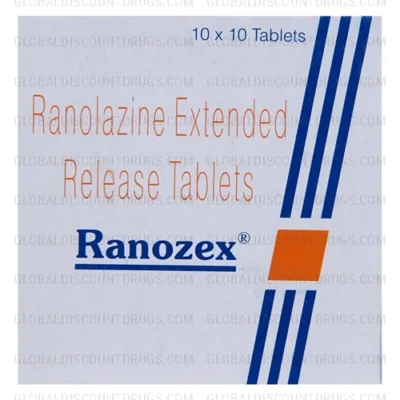
In StockRanolazine is a prescription medicine used to treat chronic angina, a condition that causes chest pain due to reduced blood flow to the heart. It works by improving the efficiency of heart muscle cells and helping the heart use oxygen more effectively. This action supports better control of angina symptoms. Use as directed on the product label or by a healthcare professional.

What is Ranolazine?
Ranolazine is a prescription medication used to treat chronic angina, a condition that causes chest pain due to reduced blood flow to the heart. It belongs to a class of medicines known as antianginal agents.
Unlike many other heart medications, ranolazine helps improve how the heart uses oxygen rather than significantly changing heart rate or blood pressure.
Healthcare professionals may prescribe ranolazine for:
Chronic stable angina (long-term chest pain related to heart disease)
Persistent angina symptoms that are not fully controlled with other medications
Ranolazine is typically used in combination with other heart medications rather than as the first treatment option.
Available formulations and strengths
Ranolazine is generally available as:
Extended-release oral tablets
These tablets release the medication slowly to provide continuous symptom control throughout the day.
Common strengths may include:
Availability may vary depending on the manufacturer and region.
What is the Recommended Dosage of Ranolazine?
The appropriate dosage of ranolazine depends on several individual factors and must be determined by a healthcare professional.
Factors that influence dosage
Healthcare professionals consider:
- Severity of angina symptoms
- Age
- Liver function
- Kidney function
- Other medications being taken
- Response to treatment
How Ranolazine Works
Ranolazine works by affecting certain electrical and metabolic processes in heart muscle cells.
In people with angina, heart cells may accumulate excess sodium and calcium during periods of reduced oxygen supply. This can make the heart muscle work harder and contribute to chest pain.
Ranolazine helps by:
- Reducing abnormal sodium flow in heart cells
- Improving the balance of calcium inside the heart muscle
- Allowing the heart to relax more effectively
- Improving the efficiency of oxygen use
These effects may reduce the frequency and severity of angina episodes.
Ranolazine helps manage symptoms but does not cure coronary artery disease.
Is a Prescription Required to Buy Ranolazine Online?
Yes. Ranolazine is a prescription-only medication in most countries.
Because it affects heart function and may interact with several medications, treatment should be supervised by a licensed healthcare professional.
Patients may receive care from:
- Cardiologists
- Primary care physicians
- Internal medicine specialists
- Patients should purchase ranolazine only from licensed pharmacies that require a valid prescription.
Buying medicines from unverified online sources increases the risk of counterfeit or improperly stored products.
Side Effects of Ranolazine
Like many medications, ranolazine may cause side effects. Many are mild and improve as the body adjusts to treatment.
Common side effects
Commonly reported side effects include:
- Dizziness
- Headache
- Constipation
- Nausea
- Fatigue
These symptoms may occur during the early stages of treatment.
Serious side effects
Serious side effects are uncommon but may occur.
Possible serious reactions include:
- Irregular heartbeat
- Severe dizziness or fainting
- Shortness of breath
- Severe allergic reactions
- Sudden worsening of chest pain
Immediate medical attention is required if symptoms such as fainting, severe dizziness, or heart rhythm changes occur.
Drug Interactions
Ranolazine can interact with many medications, particularly those that affect liver enzymes or heart rhythm.
Medicines that may interact
Important interaction categories include:
- Certain antifungal medications
- Macrolide antibiotics
- Some antidepressants
- Certain antiarrhythmic drugs
- Other medications that may affect heart rhythm (QT interval)
OTC medications and supplements
Patients should inform their healthcare professional about:
- Over-the-counter medications
- Herbal supplements
- Vitamins
Any medications used for heart disease or blood pressure
Providing a complete medication list helps reduce the risk of dangerous interactions.
Safety & Important Considerations
Several safety precautions should be considered when using ranolazine.
Liver function
Ranolazine is processed by the liver. Patients with moderate or severe liver disease may require careful evaluation before use.
Heart rhythm monitoring
Ranolazine may affect the electrical activity of the heart, particularly the QT interval. Patients with certain heart rhythm disorders may require monitoring.
Kidney function
Patients with kidney impairment may require dose adjustments or monitoring.
Pregnancy and breastfeeding
The safety of ranolazine during pregnancy or breastfeeding has not been fully established. Patients should consult their healthcare professional before use.
Grapefruit interaction
Products containing grapefruit or grapefruit juice may affect how the body processes ranolazine and should be discussed with a healthcare professional.
Who This Medication Is For
Ranolazine may be prescribed for adults who:
- Have chronic stable angina
- Continue to experience chest pain despite other treatments
- Require additional medication to improve symptom control
It is typically used as part of a comprehensive treatment plan for coronary artery disease.
Who Should Not Take Ranolazine
Ranolazine may not be appropriate for certain individuals.
Patients should avoid or use caution if they:
- Have severe liver disease
- Have certain heart rhythm disorders
- Are allergic to ranolazine or its ingredients
- Take medications that strongly interact with ranolazine metabolism
A healthcare professional should evaluate medical history before treatment begins.
What to Do If You Miss a Dose
If a dose of ranolazine is missed:
- Take the missed dose as soon as remembered
- If it is close to the next scheduled dose, skip the missed dose
- Resume the regular dosing schedule
- Patients should not take two doses at the same time to make up for a missed dose.
If multiple doses are missed, patients should contact their healthcare professional for guidance.
Related medications to Ranolazine
Several medications may be used to manage chronic angina.
Other antianginal medications
- Beta-blockers such as metoprolol
- Calcium channel blockers such as amlodipine
- Long-acting nitrates such as isosorbide mononitrate
- Additional treatment approaches
- Lifestyle modifications
- Cholesterol-lowering medications
- Antiplatelet therapy
- Coronary revascularization procedures when appropriate
Treatment selection depends on the patient’s cardiovascular condition and overall health.
Storage Instructions
Proper storage helps maintain the stability of ranolazine.
General storage recommendations include:
- Store at room temperature
- Protect from excess moisture and heat
- Keep the medication in its original container
- Avoid exposure to direct sunlight
- Always store medications out of reach of children and pets.
- Unused or expired medication should be disposed of according to pharmacy or local safety guidelines.
Disclaimer:
This page is for educational purposes only. It is not a substitute for professional medical advice, diagnosis, or treatment. Patients must consult a licensed cardiologist or other qualified medical specialist before starting, changing, or stopping treatment with ranolazine. All treatment decisions must be based on a complete clinical evaluation by a qualified healthcare professional.
Prescription Required (Rx) to Buy?
This medication is not available over the counter. A valid prescription from a licensed healthcare
professional is required. Always consult your doctor before use.