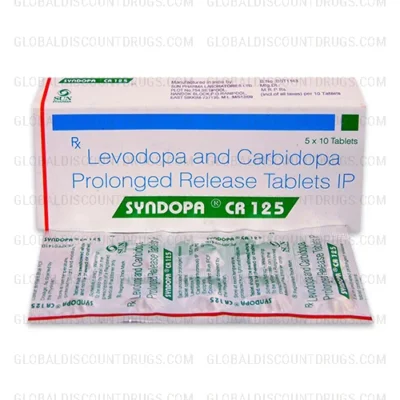

Amantadine Hcl
In StockAmantadine HCl is a versatile compound historically used as an antiviral, but now primarily recognized for its role in treating Parkinson’s disease. In Parkinson’s, it helps reduce involuntary movements (dyskinesia) that can be side effects of levodopa therapy. It exerts its effect by acting as a non-competitive antagonist of the NMDA receptor and potentially influencing dopamine release. This drug offers a valuable therapeutic option for managing motor complications in chronic neurological disorders.

Amantadine hydrochloride (HCl) is a prescription medication used for Parkinson’s disease, movement problems caused by certain other medicines, and, in limited situations, influenza A. This guide explains the basics in plain language. It does not replace advice from your care team.
What is Amantadine HCl?
Amantadine HCl is a prescription medicine in the antiviral and antiparkinsonian (dopaminergic) drug classes. It was first developed to treat influenza A and was later found to help with movement symptoms.
Approved uses in the United States include:
- Treating Parkinson’s disease
- Treating drug-induced extrapyramidal reactions (movement problems such as stiffness, tremor, or restlessness caused by some medicines)
- Preventing and treating influenza A infection (immediate-release forms)
- Treating dyskinesia (involuntary movements) in people with Parkinson’s disease who take levodopa (specific extended-release capsules)
Because many influenza A strains have become resistant to amantadine, U.S. public health authorities have not recommended it for flu in recent seasons. Other flu medicines are usually used instead.
Available formulations and strengths vary by brand and country. Common forms include:
- Immediate-release capsules and tablets (commonly Amantadine Hcl 100mg)
- Oral solution or syrup (commonly 50 mg per 5 mL)
- Extended-release capsules (such as 68.5 mg and 137 mg strengths)
- Extended-release tablets (several strengths, depending on the brand)
Extended-release and immediate-release products are not interchangeable. Each strength has its own detailed page with more information.
What is the Recommended Dosage of Amantadine HCl?
There is no single dose that fits everyone. Your prescriber chooses the dose based on:
- The condition being treated. Parkinson’s disease, drug-induced movement problems, and influenza each use different dosing plans.
- Age. Older adults are often more sensitive to side effects and may need lower doses.
- Body weight. This can matter for children.
- Kidney function. Amantadine leaves the body through the kidneys, so people with reduced kidney function usually need lower or less frequent doses.
- The product type. Immediate-release and extended-release forms are taken differently. Some are taken once daily, often at bedtime, while others are taken more than once a day.
Doses are often started low and increased slowly. Always follow the exact instructions from your neurologist or other prescribing specialist and on your pharmacy label. Do not change your dose on your own, and do not switch between product types without approval.
How Amantadine HCl Works
For Parkinson’s disease and movement problems: Scientists do not fully understand how amantadine works here. It appears to affect dopamine, a brain chemical that helps control movement, and it also blocks certain glutamate receptors (NMDA receptors) in the brain. Together, these actions may reduce stiffness, tremor, and involuntary movements.
For influenza A: Amantadine blocks a protein (the M2 channel) that the virus needs to release its genetic material inside cells. This can slow the virus’s ability to multiply.
Amantadine helps manage symptoms. It does not cure Parkinson’s disease. For influenza, it works best when started early, and only if the virus is a susceptible strain.
Is a Prescription Required to Buy Amantadine HCl Online?
Yes. In the United States, amantadine is a prescription-only medication. A licensed clinician must decide whether it is appropriate for you. Depending on the reason for use, this may be:
- A neurologist for Parkinson’s disease or movement disorders
- A primary care clinician or infectious disease specialist for influenza-related care
- A psychiatrist, if movement side effects come from another medicine you take
If you buy medication online, use only licensed, verified pharmacies that require a valid prescription. Be cautious of websites that offer prescription medicines without one. Counterfeit or improperly stored products can contain the wrong ingredient or the wrong amount. Products made for animals or from unknown sources are not safe substitutes.
Side Effects of Amantadine HCl
Common Side Effects
Many people have mild effects, especially early in treatment. These may include:
- Nausea
- Dizziness or lightheadedness
- Trouble sleeping or vivid dreams
- Dry mouth
- Constipation
- Loss of appetite
- Nervousness or difficulty concentrating
- Swelling in the ankles or feet
- A blotchy, lace-like purplish skin pattern (livedo reticularis), usually on the legs
Tell your clinician if these effects continue or bother you.
Serious Side Effects
These are less common but need prompt attention:
- Hallucinations (seeing or hearing things that are not there), confusion, or new paranoia
- Thoughts of suicide or major mood changes
- Fainting or severe dizziness when standing up
- Seizures
- Rapid weight gain, shortness of breath, or significant swelling (possible heart failure)
- Sudden episodes of falling asleep during daily activities
- New, unusual urges, such as gambling or compulsive behaviors
- Blurred vision or other eye changes
- High fever, severe muscle stiffness, and confusion, especially if amantadine was stopped suddenly
Seek emergency medical care for seizures, fainting, trouble breathing, chest pain, thoughts of self-harm, or signs of an allergic reaction such as facial swelling or hives.
Drug Interactions
Some medications and substances can raise the risk of side effects or change how amantadine works. Examples include:
- Anticholinergic medicines, such as benztropine or trihexyphenidyl, which may increase confusion, dry mouth, or hallucinations
- Other medicines that affect the brain, including stimulants, some antidepressants, and sedatives
- Memantine, which has a similar effect on NMDA receptors
- Certain diuretics and antibiotics, such as triamterene-hydrochlorothiazide and trimethoprim-sulfamethoxazole, which may raise amantadine levels
- Medicines or substances that make urine less acidic, such as sodium bicarbonate or acetazolamide, which can increase amantadine levels
- Live intranasal influenza vaccine, which may not work as well if taken around the same time
- Alcohol, which may increase dizziness and confusion
Over-the-counter products to review with a pharmacist include antihistamines (for example, diphenhydramine), decongestants, cough and cold products, and sleep aids. Supplements and herbal products should also be reviewed, especially those that cause drowsiness or stimulation.
Give your licensed medical specialist a complete list of everything you take, including prescriptions, OTC medicines, vitamins, and herbal products.
Safety & Important Considerations
- Kidney disease: Amantadine is cleared by the kidneys. Dose adjustments are often needed, and some extended-release products should not be used in severe kidney disease or dialysis.
- Liver disease: Liver problems are not a major concern with amantadine, but tell your clinician about any liver condition.
- Pregnancy: Human data are limited, and animal studies have raised concerns. Talk with your clinician before taking amantadine if you are pregnant or planning pregnancy.
- Breastfeeding: Amantadine passes into breast milk. Your clinician can help you weigh the options.
- Children: Use is limited and depends on the product and the child’s age.
- Older adults: Confusion, hallucinations, dizziness, and falls are more likely, so closer monitoring is often needed.
- Other conditions: Tell your clinician if you have heart failure, swelling, seizures, psychiatric illness, glaucoma, or a history of compulsive behaviors.
- Do not stop suddenly. Abrupt discontinuation in people with Parkinson’s disease may cause worsening symptoms or, rarely, a serious reaction.
- Driving and machinery: Be careful until you know how the medicine affects you.
- Monitoring: Your clinician may check kidney function, mood, thinking, blood pressure, swelling, and movement symptoms over time.
Who This Medication Is For
Amantadine may be prescribed to adults with Parkinson’s disease, particularly when they experience movement fluctuations or dyskinesia, and to people who develop movement problems from certain other medicines. Immediate-release forms are also approved for influenza A in adults and children of certain ages, although current flu guidance rarely favors it. Your specialist decides if it is suitable based on your health history and other treatments.
Who Should Not Take Amantadine HCl
Amantadine should not be used by:
- People who are allergic to amantadine or any ingredient in the product
- People with severe kidney failure or on dialysis, for certain extended-release products (immediate-release forms need careful dose adjustment)
Use with extra caution, and only with clinician guidance, if you have kidney impairment, heart failure, seizures, psychosis or other mental health conditions, uncontrolled glaucoma, or are pregnant or breastfeeding, or if you are an older adult.
What to Do If You Miss a Dose
- Take the missed dose as soon as you remember, unless it is almost time for your next dose.
- If it is nearly time for the next dose, skip the missed one and return to your regular schedule.
- Never take a double dose to make up for a missed one.
- Missed extended-release doses can be handled differently, so contact your licensed medical specialist or pharmacist if you are unsure.
Related medications to Amantadine HCl
Other medicines may be used depending on the condition:
- For Parkinson’s disease: levodopa/carbidopa, dopamine agonists (such as pramipexole or ropinirole), MAO-B inhibitors (such as rasagiline or selegiline), COMT inhibitors, and anticholinergic medicines
- For influenza: neuraminidase inhibitors (such as oseltamivir), baloxavir, and others recommended in current guidelines
Each option has its own benefits and risks. Never switch or stop treatment without consulting your specialist.
Storage Instructions
- Store at room temperature, about 68°F to 77°F (20°C to 25°C), unless the label says otherwise.
- Keep in a tightly closed container, away from moisture, heat, and direct light. Avoid storing in a bathroom.
- Do not freeze the oral solution.
- Keep all medicines out of reach and sight of children and pets.
- Dispose of expired or unused medicine through a pharmacy take-back program when possible.
Disclaimer:
This page is for educational purposes only. It is not a substitute for professional medical advice, diagnosis, or treatment. Patients must consult a licensed neurologist (or other relevant medical specialist, depending on the condition being treated) before starting, changing, or stopping treatment. Treatment decisions must be based on a full clinical evaluation by a qualified specialist.
Prescription Required (Rx) to Buy?
This medication is not available over the counter. A valid prescription from a licensed healthcare
professional is required. Always consult your doctor before use.