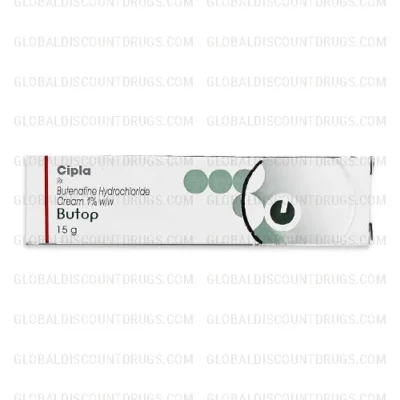
Clotrimazole
In StockClotrimazole is a highly popular, broad-spectrum imidazole antifungal agent used for treating common fungal and yeast infections of the skin and mucous membranes (candidiasis, tinea). It works by damaging the fungal cell membrane, which leads to the leakage of cellular contents and ultimately cell death. As a reliable and well-tolerated topical API, Clotrimazole is a key ingredient in creams, lotions, and vaginal tablets. It is a cornerstone of superficial fungal infection treatment.

What is Clotrimazole?
Clotrimazole is a topical medication used in the treatment of fungal and yeast infections of the skin. It belongs to the drug class known as imidazole antifungals, and is one of the most widely available and long-established medications in this class.
Clotrimazole is commonly used for:
- Tinea pedis (athlete’s foot)
- Tinea cruris (jock itch)
- Tinea corporis (ringworm of the body)
- Cutaneous candidiasis (yeast infections of the skin, including some diaper rash caused by yeast)
- Pityriasis (tinea) versicolor
Clotrimazole is also available in other non-skin formulations (such as vaginal and oral preparations) for different indications; this page focuses specifically on topical skin formulations.
Available formulations and strengths include:
- Clotrimazole 1% oral mouth paint 25ml
- Clotrimazole Cream 1%-15gm
- Clotrimazole Cream 1%-30gm
- Clotrimazole 2% Vaginal Gel 30g
- Clotrimazole 2% Vaginal Cream 30gm
- Combination formulations pairing clotrimazole with a topical corticosteroid (e.g., betamethasone), used for certain inflammatory fungal conditions under specialist guidance
Not all formulations are available in every country or under every brand name. Availability may vary by region and by prescription status.
What is the Recommended Dosage of Clotrimazole?
Dosage and application frequency are guided by product labeling or a licensed medical specialist, and may vary depending on:
- The type and location of the fungal infection
- The severity and extent of the affected skin area
- Age
- Whether it is used alone or combined with other treatments (such as a corticosteroid combination product)
As a topical product, dosing is described in terms of application rather than milligram amounts. In general:
- It is typically applied twice daily to the affected area and surrounding skin, as directed
- A thin layer is usually recommended, gently rubbed into clean, dry skin
- Treatment duration commonly ranges from about 2 to 4 weeks, depending on the specific infection and response to treatment, though this varies by individual case
- It is generally important to continue treatment for the full duration recommended, even if symptoms improve earlier, to help reduce the risk of the infection returning
This page does not replace personalized dosing instructions. Patients should always follow the exact application schedule and duration directed by their specialist or as stated on the product label.
How Clotrimazole Works
Clotrimazole works by disrupting the cell membrane of fungal organisms, which interferes with their ability to grow and survive. This action helps the body clear the fungal or yeast infection from the skin over the course of treatment.
Clotrimazole treats the underlying fungal infection when used as directed for the full recommended course; it does not prevent future fungal infections, and reinfection is possible, particularly in individuals prone to recurrent fungal skin conditions or those with ongoing risk factors (such as excessive moisture, sweating, or friction in skin folds).
Is a Prescription Required to Buy Clotrimazole Online?
Topical clotrimazole (cream, lotion, or solution) for skin infections is widely available over-the-counter (OTC) in many countries, including the United States, for common conditions such as athlete’s foot, jock itch, and ringworm.
Combination products pairing clotrimazole with a topical corticosteroid generally require a prescription, as appropriate use depends on accurate diagnosis and limited duration of use to avoid corticosteroid-related side effects.
Even when available OTC, patients are encouraged to consult a licensed dermatologist or physician before starting clotrimazole if:
- Symptoms do not improve within the expected OTC treatment timeframe (commonly around 2 to 4 weeks)
- The infection is widespread, recurrent, or affecting sensitive areas
- There is uncertainty about whether the condition is fungal in nature
Safety notes when purchasing:
- Only purchase clotrimazole products from licensed, verified pharmacies or reputable retailers.
- Avoid counterfeit products or unregulated online sellers, as these are not guaranteed to meet quality and safety standards.
Side Effects of Clotrimazole
Common Side Effects
- Mild burning, stinging, or itching at the application site
- Redness or mild irritation
- Dryness of the treated skin
- Skin peeling in the treated area
These effects are often mild and may lessen as treatment continues.
Serious Side Effects
Serious reactions are uncommon but can include:
- Signs of an allergic reaction, such as hives, facial swelling, or difficulty breathing
- Severe skin irritation, blistering, or significant worsening of the treated area
- Signs of a secondary skin infection
Seek immediate medical attention if signs of a serious allergic reaction, significant swelling, difficulty breathing, or a worsening or spreading skin reaction occur.
This is not a complete list of possible side effects. Patients should report any unusual or persistent symptoms to their healthcare provider.
Drug Interactions
Clotrimazole has limited systemic absorption when used topically as directed, which generally results in a lower likelihood of significant drug interactions compared to oral antifungal medications. However, patients should still be cautious with:
- Other topical treatments applied to the same area, which may affect absorption, irritation, or effectiveness when combined
- Topical corticosteroids used separately (outside of a specifically formulated combination product), where combined use should be guided by a specialist
- Topical products containing alcohol, astringents, or exfoliants, which may increase irritation
Patients should inform their specialist or pharmacist about any:
- Prescription medications
- Over-the-counter (OTC) products
- Vitamins, supplements, or herbal remedies
they are currently using, so potential interactions can be assessed before starting clotrimazole.
Safety & Important Considerations
- Correct diagnosis matters: Because several skin conditions can resemble fungal infections, confirming the diagnosis helps ensure clotrimazole is an appropriate choice, particularly if symptoms do not respond to initial treatment.
- Complete the full course: Stopping treatment early, even if symptoms improve, may allow the infection to persist or return; patients should follow the full recommended duration.
- When to see a specialist: If there is no improvement after about 2 to 4 weeks of consistent OTC use, or if symptoms worsen, patients should consult a licensed dermatologist or physician for reevaluation.
- Pregnancy and breastfeeding: The safety of topical clotrimazole during pregnancy and breastfeeding should be discussed with a specialist before use, as topical antifungals are generally used with individualized risk-benefit consideration in these situations.
- Children: Use in children, including for diaper-area yeast infections, should be guided by product labeling for the specific age group or by a specialist.
- Skin conditions: Individuals with broken, severely irritated, or open skin should consult a specialist before starting treatment, as this may affect appropriate use.
- Combination corticosteroid products: When used, combination products containing a corticosteroid are generally recommended for short-term use only, as prolonged use of topical corticosteroids can cause skin thinning and other side effects; use should follow specialist guidance closely.
- Hygiene measures: For fungal infections such as athlete’s foot or jock itch, keeping the area clean and dry and avoiding shared personal items (towels, socks, footwear) can help reduce the risk of spread or reinfection.
This section reflects general safety considerations and does not replace specialist guidance specific to an individual’s health history.
Who This Medication Is For
Clotrimazole is generally intended for individuals with:
- Confirmed or suspected fungal or yeast skin infections, such as athlete’s foot, jock itch, ringworm, cutaneous candidiasis, or pityriasis versicolor
It is widely used in infants (for certain diaper-area yeast infections, per product labeling), children, and adults. Suitability for a given patient, including whether OTC use is appropriate or specialist evaluation is needed, should be based on the type and severity of the skin condition.
Who Should Not Take Clotrimazole
Clotrimazole may not be appropriate for individuals who:
- Have a known allergy or hypersensitivity to clotrimazole, other imidazole antifungals, or any ingredient in the formulation
- Have severely broken, blistered, or significantly compromised skin at the treatment site, without specialist guidance
Precautions:
- Individuals with very sensitive or reactive skin may require closer monitoring during treatment.
- Patients whose symptoms do not match a typical fungal infection pattern, or who do not improve with OTC use, should be evaluated by a specialist before continuing self-treatment.
This is not a complete list of contraindications. A full medical history review by a licensed specialist is recommended before starting treatment for more complex or persistent infections.
What to Do If You Miss a Dose
Because clotrimazole is typically applied twice daily, missing an application is usually not a cause for concern. General guidance includes:
- Apply the missed application as soon as remembered, unless it is close to the time of the next scheduled application
- Do not apply a double amount to make up for a missed application
- Resume the regular application schedule as directed
- Continue treatment for the full recommended duration, even if a dose is missed, unless otherwise instructed
If there is uncertainty about how to proceed after multiple missed applications, patients should consult their pharmacist or licensed medical specialist for guidance.
Related medications to Clotrimazole
Other medications within the same or related therapeutic classes that may be considered for fungal skin infections include:
- Other topical imidazole antifungals (e.g., miconazole, ketoconazole, sertaconazole, oxiconazole)
- Topical allylamine antifungals (e.g., terbinafine)
- Oral antifungal medications, in cases of extensive, resistant, or recurrent infections, as determined by a specialist
The choice of an alternative treatment depends on individual factors such as the type of infection, its location, severity, and treatment history. Switching treatments, particularly for persistent or recurrent infections, should be done in consultation with a licensed dermatologist or physician.
Storage Instructions
- Store at room temperature, generally between 68°F–77°F (20°C–25°C), unless otherwise directed on the product label
- Keep the container tightly closed to protect from air and moisture
- Protect from excessive light and heat exposure
- Do not freeze
- Store out of reach of children and pets
- Discard any unused product according to local guidelines or pharmacist instructions after the labeled expiration date
Disclaimer:
This page is for educational purposes only. It is not a substitute for professional medical advice, diagnosis, or treatment. While topical clotrimazole is available over-the-counter for many uses, patients should consult a licensed dermatologist or physician if symptoms persist, worsen, or recur, or before starting, changing, or stopping treatment for more complex skin conditions. Treatment decisions must be based on a full clinical evaluation by a qualified specialist when needed, taking into account individual health history, skin condition, and other medications or products in use.
Prescription Required (Rx) to Buy?
This medication is not available over the counter. A valid prescription from a licensed healthcare
professional is required. Always consult your doctor before use.