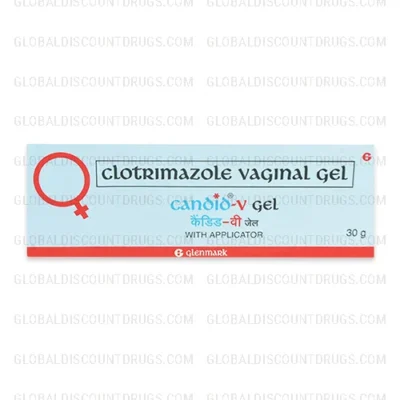

Clotrimazole Cream 1%-15gm
Out of StockClotrimazole 1% Cream provides topical antifungal treatment for conditions such as athlete’s foot, ringworm, and jock itch. Consistent application helps improve treatment success and reduce recurrence.
| Active Ingredient: | Clotrimazole |
|---|---|
| Indication: | Fungal Skin Infection |
| Strength: | 1%-15gm |
| Dosage Form: | Cream |
| Manufacturer: | Cipla Limited |

Clotrimazole Cream 1% – 15gm Quick Overview
Clotrimazole Cream 1% (15gm) is a topical antifungal used to treat tinea corporis (ringworm), tinea cruris (jock itch), and tinea pedis (athlete’s foot). It works by disrupting the fungal cell membrane to stop the infection from spreading. This product is available over the counter in the US, but you should talk to a doctor if symptoms don’t improve or you’re unsure of the diagnosis.
Medical Supervision & Regulatory Status
Clotrimazole Cream 1% is sold over the counter (OTC) in the United States for skin (topical) use, though some clotrimazole formulations (such as oral lozenges) are prescription-only. Even as an OTC product, medical supervision is recommended for children under 2, pregnant or breastfeeding individuals, people with diabetes or a weakened immune system, and anyone whose rash doesn’t improve within the expected treatment window.
Clinical Context
Fungal skin infections like athlete’s foot, jock itch, and ringworm are among the most common skin conditions seen in outpatient and pharmacy settings, caused by dermatophyte fungi that thrive in warm, moist areas of the body such as the feet, groin, and skin folds.
Left untreated, these infections tend to spread to nearby skin or to other parts of the body through scratching, and the affected skin can crack, itch, and become more vulnerable to secondary bacterial infection.
Topical antifungals like clotrimazole are typically the first treatment tried for mild to moderate, localized infections. Oral antifungal medication is generally reserved for infections that are widespread, involve the nails or scalp, or don’t respond to topical treatment.
How Clotrimazole Works
Clotrimazole belongs to the imidazole class of antifungal medications, one of the most widely used topical antifungal drug groups for skin infections.
It interferes with the fungal cytochrome P450-dependent enzyme responsible for ergosterol synthesis, a key building block of the fungal cell membrane. Without enough ergosterol, the fungal membrane becomes leaky and unstable, which stops the fungus from growing and eventually kills it.
For the patient, this means that consistent, correctly timed application interrupts the fungal life cycle at the skin level, gradually reducing itching, redness, and scaling as the infection clears.
What is Clotrimazole Cream 1%?
| Attribute | Detail |
|---|---|
| Drug Class | Imidazole antifungal |
| Active Ingredient | Clotrimazole, USP 1% w/w |
| Mechanism | Inhibits ergosterol synthesis, disrupting the fungal cell membrane and stopping fungal growth |
| Form | External topical cream, 15 g tube |
| Dosing Frequency | Usually applied twice daily, in the morning and evening, or as directed on the label |
| Regulatory Status | Available over the counter in the United States for approved topical skin uses |
Uses / Indications
| Indication | Description |
|---|---|
| Athlete’s Foot (Tinea Pedis) | Treats fungal infections between the toes or on the soles of the feet that may cause itching, cracking, burning, and scaling. |
| Jock Itch (Tinea Cruris) | Treats fungal infections affecting the groin and inner thighs, helping relieve itching, redness, and irritation. |
| Ringworm (Tinea Corporis) | Treats fungal skin infections that commonly cause a red, itchy, ring-shaped rash on the body. |
How to Use / Dosage
Wash and dry the affected area, then apply a thin layer of cream to cover the rash and a small margin of surrounding skin, usually twice daily, morning and night. Your doctor may recommend a different schedule depending on the infection and its severity — always follow their specific instructions over general label directions.
Timing: Try to apply at the same times each day to build a consistent routine
Missed dose: Apply as soon as you remember; if it’s almost time for the next application, skip the missed one rather than doubling up
Do not stop early: Continue for the full recommended duration even after symptoms improve, since stopping too soon can allow the infection to return
Side Effects
Most people tolerate clotrimazole cream well, and side effects are usually mild and limited to the application site.
Common side effects include mild stinging, burning, itching, or redness where the cream is applied, particularly in the first few days of use.
Serious side effects are uncommon but can include a significant allergic skin reaction, worsening irritation, or blistering that doesn’t improve with continued use.
Emergency Warning Signs — stop use and seek medical care right away if you notice:
- Swelling of the face, lips, tongue, or throat
- Difficulty breathing or swallowing
- Severe hives or a widespread rash
- Significant blistering or peeling skin
- Signs of a new infection, such as increasing redness, warmth, pus, or fever
Warnings & Precautions
Clotrimazole Cream 1% is for external skin use only and should not be used in or near the eyes, nose, mouth, or on open wounds unless directed by a doctor. People with a known allergy to clotrimazole or any inactive ingredient in the cream should not use this product. Because very little clotrimazole is absorbed into the bloodstream after topical application, systemic drug interactions are unlikely, but you should still tell your doctor or pharmacist about any other topical medications you’re using on the same area, since combining products can increase irritation or reduce effectiveness. Topical clotrimazole is generally considered to carry a low risk during pregnancy and breastfeeding due to its minimal systemic absorption, but you should confirm use with your doctor first, especially in the first trimester. Children under two years of age should not use topical clotrimazole unless directed by a health care provider, and people with diabetes or a weakened immune system should have persistent or recurring fungal infections evaluated by a doctor rather than self-treating long term. If there’s no improvement within the expected treatment window, or symptoms worsen, stop use and consult a healthcare provider, since the rash may not be fungal in origin.
Who Should Not Use This Medication
Anyone with a known allergy or hypersensitivity to clotrimazole or the cream’s inactive ingredients
Children under 2 years old, unless a doctor has directed use
Anyone applying the product to the eyes, mouth, or scalp/nails, since clotrimazole cream does not work on the scalp or nails
Anyone with symptoms that worsen or fail to improve after the recommended treatment period without medical evaluation
Storage Instructions
Store the tube at room temperature, between 68–77°F (20–25°C). Keep it away from excess heat, direct sunlight, and moisture, such as bathroom humidity. Always replace the cap tightly after use, and keep the product out of reach of children and pets.
Frequently Asked Questions
Do I need a prescription for Clotrimazole Cream 1%?
No — Clotrimazole Cream 1% is available over the counter in most US pharmacies without a prescription for treating athlete’s foot, jock itch, and ringworm. Some stronger or combination clotrimazole products do require a prescription. If you’re unsure which one fits your condition, a pharmacist or doctor can help you decide.
How long does it take for Clotrimazole Cream 1% to work?
Improvement in itching and irritation is often noticeable within a week, but full treatment typically takes 2 to 4 weeks depending on the infection. Jock itch usually clears faster than athlete’s foot or ringworm. If there’s no improvement by the end of the recommended course, see a doctor.
Is it safe to stop using this cream once symptoms improve?
No — stopping early is not recommended, even if the rash looks better. Fungal infections can return if treatment is cut short. Complete the full recommended course to help fully clear the infection and reduce the chance of recurrence.
Can Clotrimazole Cream 1% interact with other medicines?
Significant interactions are unlikely because very little of the drug enters the bloodstream through the skin. However, using other topical creams, lotions, or steroids on the same area at the same time may reduce effectiveness or increase irritation, so tell your doctor or pharmacist what else you’re applying.
What should I do if I miss an application?
Apply the cream as soon as you remember. If it’s nearly time for your next scheduled dose, skip the missed one and continue your regular routine — don’t apply a double amount to make up for it.
What is the cost of Clotrimazole Cream 1% without insurance?
The cost without insurance depends on the seller, brand availability, and pack size, and it may also vary by location and available discounts. Generic clotrimazole is generally considered an affordable OTC option compared with many prescription antifungals.
How can I order Clotrimazole Cream 1% online?
Since this is an OTC product, most licensed online and retail pharmacies allow direct purchase without a prescription upload. If you’re ordering a prescription-strength clotrimazole product, you’ll typically upload your prescription or have your doctor send it electronically before home delivery. Always buy from a verified, licensed pharmacy to ensure product authenticity and safety.
References
DailyMed (NIH) – Clotrimazole 1% Topical Antifungal Cream, official drug label: https://dailymed.nlm.nih.gov/dailymed/drugInfo.cfm?setid=b3b83f3f-9349-fb75-e053-2995a90acb65
MedlinePlus (NIH) – Clotrimazole Topical, drug information: https://medlineplus.gov/druginfo/meds/a618059.html
Mayo Clinic – Clotrimazole (topical route), side effects and dosage: https://www.mayoclinic.org/drugs-supplements/clotrimazole-topical-route/description/drg-20063212
Medical Disclaimer
This content is for informational purposes only and does not constitute medical advice, diagnosis, or treatment. Consult a qualified specialist or physician before using Clotrimazole Cream 1%. See the medical disclaimer on using OTC medicines safely for more guidance.
| Quantity | 12, 3, 6, 9 |
|---|---|
| Indication | Fungal Skin Infection |
| Active Ingredient | Clotrimazole |
| Pharmaceutical Form | Cream |
| Manufacturer | Cipla Limited |
| Indian Brand | Clocip Cream 15gm |
| US Brand Name | Clotrimazole 1% Cream 15gm |
| Generic Name | Clotrimazole |
| Dosage | 1%-15gm |
| Drug Type | Tubes |