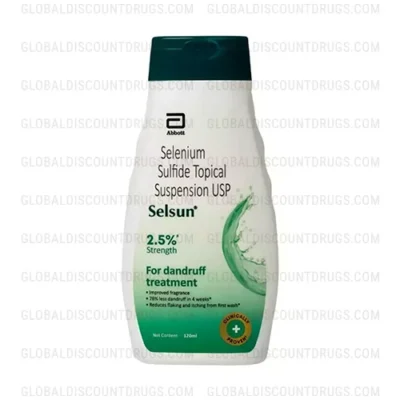


Ketoconazole
In StockKetoconazole is an imidazole antifungal agent used topically (shampoos, creams) to treat fungal skin and scalp conditions, such as seborrheic dermatitis (dandruff) and tinea infections. It works by inhibiting the synthesis of ergosterol, a vital component of the fungal cell membrane. This API is valued for its effective control of Malassezia yeast implicated in dandruff. Ketoconazole is a standard treatment in localized dermatological infections.

What is Ketoconazole?
Ketoconazole is an antifungal medication belonging to a class of drugs called azole antifungals. It is available in different forms, and its use varies significantly depending on whether it is applied topically or taken orally, as the oral form carries more significant safety considerations.
Common approved uses include:
- Topical treatment of fungal skin infections, including athlete’s foot, jock itch, ringworm, and certain yeast infections of the skin
- Treatment of seborrheic dermatitis and dandruff (shampoo and topical formulations)
- Oral treatment of certain serious fungal infections when other treatment options are not appropriate or available (oral use is generally reserved for specific situations due to safety concerns)
Available formulations and strengths:
- Topical cream
- Topical shampoo
- Topical foam or gel (in some regions)
- Oral tablets (use is more restricted due to safety considerations)
The oral and topical forms are used for very different purposes, and the choice depends on the type, location, and severity of infection as determined by a specialist.
What is the Recommended Dosage of Ketoconazole?
Dosage varies by:
- Condition being treated (skin infections, dandruff, or systemic fungal infections each have different regimens)
- Formulation used (topical products are dosed very differently from oral tablets)
- Age, since pediatric use and dosing differ from adult use
- Liver function, since oral ketoconazole is processed by the liver and carries specific liver-related precautions
Available dosage forms: Topical cream, shampoo, or foam applied to the affected area as directed; oral tablets taken as prescribed, generally for a limited duration under close medical supervision.
Because oral ketoconazole carries important safety considerations, it is typically used only when necessary and always under close specialist supervision. Patients should follow the exact regimen provided by a licensed medical specialist and never self-adjust the dose or duration.
How Ketoconazole Works
Ketoconazole works by interfering with an enzyme that fungi need to produce a substance essential for their cell membrane structure. By blocking this enzyme, the medication weakens the fungal cell membrane, which slows fungal growth and helps the body’s immune system clear the infection.
This mechanism is effective against a broad range of fungi and yeasts, which is why ketoconazole has been used for various skin and scalp conditions. It treats the underlying fungal or yeast overgrowth but does not prevent future infections or flare-ups from developing.
Is a Prescription Required to Buy Ketoconazole Online?
This depends on the formulation:
- Oral ketoconazole tablets are prescription-only and require close medical supervision
- Certain topical ketoconazole products (such as lower-strength dandruff shampoos) may be available over-the-counter in some regions, while higher-strength topical and all oral formulations require a prescription
Patients should consult with:
- A dermatologist for skin, scalp, or yeast-related skin conditions
- An infectious disease specialist if oral treatment for a systemic fungal infection is being considered
Important safety notes:
- Only obtain prescription formulations from a licensed pharmacy
- Avoid unregulated online sellers, as counterfeit antifungal products may be ineffective or harmful
- Never use veterinary formulations of ketoconazole intended for animals
Side Effects of Ketoconazole
Common Side Effects
Topical formulations:
- Local skin irritation, redness, or burning at the application site
- Dryness or itching
- Changes in hair texture (with shampoo formulations)
Oral formulation:
- Nausea or upset stomach
- Headache
- Dizziness
Serious Side Effects
- Signs of liver problems (yellowing of skin or eyes, dark urine, severe fatigue, loss of appetite, abdominal pain) — a significant concern with oral use in particular
- Signs of adrenal gland problems (unusual fatigue, dizziness, low blood pressure) — associated with oral use
- Heart rhythm changes, particularly when oral ketoconazole is combined with certain other medications
- Signs of a severe allergic reaction (facial or throat swelling, difficulty breathing, widespread rash)
Patients experiencing any serious symptoms, especially signs of liver problems, should seek immediate medical attention. Oral ketoconazole is generally reserved for situations where other treatments are not suitable, due to the risk of serious liver injury and other safety concerns; liver function monitoring is typically required during oral treatment.
Drug Interactions
Certain medications and substances can interact with ketoconazole, particularly the oral form, affecting how well it works or increasing side effect risk. Categories that may interact include:
- Medications that affect heart rhythm
- Medications processed by specific liver enzyme pathways, including certain statins, blood thinners, and sedatives
- Acid-reducing medications, which can affect absorption of oral ketoconazole
- Certain immunosuppressant medications
- Herbal supplements and vitamins
Patients should provide their licensed medical specialist with a complete and current list of all prescription medications, over-the-counter drugs, vitamins, and herbal supplements before starting treatment, especially before starting oral ketoconazole.
Safety & Important Considerations
- Liver disease precautions: Oral ketoconazole carries a notable risk of serious liver injury and is generally avoided in patients with pre-existing liver disease; liver function tests are typically required before and during oral treatment.
- Adrenal function: Oral ketoconazole can affect adrenal hormone production, requiring monitoring in some patients.
- Heart considerations: Oral use requires caution in patients with certain heart rhythm conditions or those taking other medications affecting heart rhythm.
- Pregnancy and breastfeeding: Patients who are pregnant, planning pregnancy, or breastfeeding should discuss risks and benefits with their specialist, particularly regarding oral use.
- Age-related considerations: Use in children depends on the specific formulation and condition being treated.
- Monitoring requirements: Liver function testing is generally required before starting oral ketoconazole and periodically during treatment.
- FDA safety warnings: Oral ketoconazole carries a boxed warning regarding the risk of serious liver injury and is generally recommended only when alternative antifungal therapies are not appropriate or available.
Who This Medication Is For
Topical ketoconazole is generally prescribed for individuals with fungal skin infections, yeast-related skin conditions, or seborrheic dermatitis/dandruff. Oral ketoconazole is reserved for specific situations involving certain fungal infections when other treatment options are not suitable, and its use requires careful specialist evaluation due to safety considerations.
Who Should Not Take Ketoconazole
This medication may not be appropriate for individuals who:
- Have a known hypersensitivity to ketoconazole or related azole antifungals
- Have significant liver disease (particularly relevant for oral use)
- Have certain heart rhythm conditions (particularly relevant for oral use)
- Are taking medications known to interact seriously with oral ketoconazole
A full medical history review, including liver function assessment for oral use, is necessary before starting treatment to identify any contraindications or precautions.
What to Do If You Miss a Dose
If a dose is missed, take it (or apply the topical formulation) as soon as remembered unless it is close to the time of the next scheduled dose. In that case, skip the missed dose and continue with the regular schedule.
Do not double the dose to make up for a missed one. Consistent use is important for effectively treating fungal or yeast-related conditions. Contact a licensed medical specialist if multiple doses are missed or if there is uncertainty about how to proceed.
Related medications to Ketoconazole
Ketoconazole belongs to the azole antifungal group, but its appropriate use depends strongly on dosage form. Related azole pages include Itraconazole, Fluconazole, and Voriconazole. Oral ketoconazole requires particularly careful safety positioning and should not be presented as a routine substitute for other systemic antifungals.
Storage Instructions
- Store at room temperature, away from excessive heat or cold
- Keep in the original container, protected from moisture and light
- Keep tightly closed when not in use (for topical and shampoo formulations)
- Keep out of reach of children and pets
- Do not use expired medication
Disclaimer:
This page is for educational purposes only. It is not a substitute for professional medical advice, diagnosis, or treatment. Patients must consult a licensed dermatologist or qualified healthcare provider before starting, changing, or stopping this medication. Treatment decisions must be based on a full clinical evaluation by a qualified specialist.
Prescription Required (Rx) to Buy?
This medication is not available over the counter. A valid prescription from a licensed healthcare
professional is required. Always consult your doctor before use.