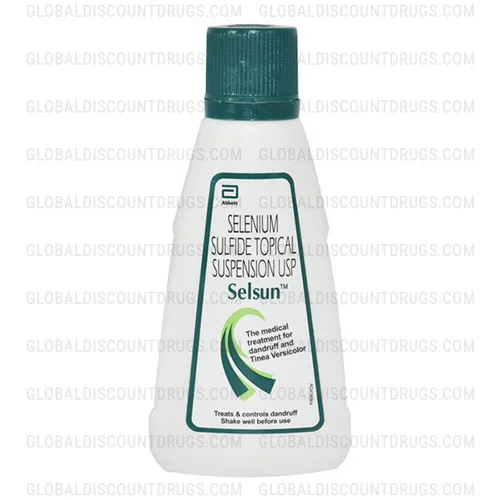

Selenium Sulfide
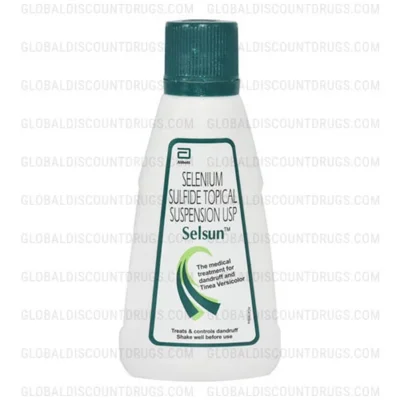
In StockSelenium Sulfide is a topical antifungal and cytostatic agent used in shampoos and lotions to treat dandruff (seborrheic dermatitis) and pityriasis versicolor. It works by slowing down the turnover of skin cells and possessing antifungal activity against the Malassezia yeast implicated in dandruff. This API effectively reduces flaking, scaling, and itching of the scalp. Selenium Sulfide is a standard treatment for chronic scalp conditions.

What is Selenium Sulfide?
Selenium sulfide is a topical medication used to treat certain scalp and skin conditions caused by fungus-like organisms or excess skin cell turnover. It is commonly found in medicated shampoos and lotions.
Drug class: Selenium sulfide belongs to a class of medications known as antifungal and antiseborrheic agents. It works on the outer layers of the skin and scalp rather than being absorbed systemically to any significant degree when used as directed.
Approved and common uses:
- Seborrheic dermatitis (a condition causing flaking, scaling, and irritation of the scalp and skin)
- Dandruff
- Tinea versicolor (a fungal skin condition that causes patchy changes in skin color)
Available formulations:
- Medicated shampoo (commonly 1% in over-the-counter products, and 2.5% in prescription-strength products)
- Topical lotion or suspension (typically 2.5%, used for body application in tinea versicolor)
The formulation and strength used depend on the specific condition being treated, its severity, and the recommendation of a licensed medical specialist.
What is the Recommended Dosage of Selenium Sulfide?
There is no single dosing schedule that applies to every patient. Appropriate use depends on several factors, including:
- Condition being treated: Dandruff and seborrheic dermatitis typically involve different application frequencies than tinea versicolor.
- Age: Use in children should be guided by a specialist, as skin sensitivity and absorption may differ from adults.
- Body weight: Not typically a factor for topical use, since the medication acts locally on the skin.
- Organ function: Not typically a significant factor for topical selenium sulfide, given minimal systemic absorption when used as directed.
Available dosage forms include medicated shampoos and topical lotions or suspensions, in strengths ranging from over-the-counter to prescription levels.
Because the appropriate frequency, strength, and duration of use depend on the specific condition, patients should not adjust their own regimen without guidance. Use must follow the instructions of a licensed medical specialist, such as a dermatologist, particularly for prescription-strength formulations or when treating tinea versicolor.
How Selenium Sulfide Works
Selenium sulfide is believed to work in a few ways, depending on the condition being treated. For dandruff and seborrheic dermatitis, it is thought to slow the rate at which skin cells on the scalp turn over and shed, which helps reduce flaking and scaling. It may also have mild antifungal properties that help address yeast-like organisms (such as Malassezia) commonly associated with these conditions.
For tinea versicolor, selenium sulfide works primarily through its antifungal action against the yeast responsible for the characteristic skin discoloration.
It is important to understand that selenium sulfide manages symptoms and helps control these conditions, but it does not permanently cure the underlying tendency toward dandruff, seborrheic dermatitis, or fungal overgrowth. Symptoms may return after treatment is stopped, and some conditions may require periodic or maintenance use.
Is a Prescription Required to Buy Selenium Sulfide Online?
Lower-strength selenium sulfide products (typically 1%) are often available without a prescription as over-the-counter dandruff shampoos. Higher-strength formulations (typically 2.5%) generally require a prescription.
Patients with persistent, severe, or unclear symptoms are encouraged to consult a licensed dermatologist or other qualified medical specialist before starting treatment, even if a lower-strength product is available without a prescription. A specialist can confirm the diagnosis and rule out other skin or scalp conditions that may require different treatment.
Important safety warning: Patients should be cautious of products purchased from unverified online sources, as these may be inaccurately labeled or improperly formulated. Medications should be purchased only from licensed, reputable pharmacies or retailers.
Side Effects of Selenium Sulfide
Common Side Effects
- Scalp or skin irritation, itching, or redness
- Oiliness or dryness of the scalp or hair
- Changes in hair texture
- Discoloration of hair, particularly in light-colored or chemically treated hair (usually temporary)
- Mild unpleasant odor of the product
Serious Side Effects
- Signs of an allergic reaction, such as significant swelling, hives, or difficulty breathing
- Severe skin irritation, blistering, or open sores at the site of application
- Accidental ingestion, which can cause nausea, vomiting, or more serious systemic effects
Seek immediate medical attention if any serious symptoms occur, particularly signs of an allergic reaction or if the product is accidentally swallowed. This list is not exhaustive; patients should report any unusual or persistent symptoms to their specialist.
Drug Interactions
Selenium sulfide is applied topically and has minimal systemic absorption when used as directed, so significant drug interactions are uncommon. However, patients should still be aware of the following:
- Other topical scalp or skin products, which may increase irritation if used at the same time
- Over-the-counter (OTC) medicated shampoos or cleansers, which may have overlapping or competing effects
- Supplements containing selenium, which are unrelated in application but worth mentioning to a specialist to avoid confusion about total selenium exposure
Patients should inform their licensed medical specialist about all topical products, shampoos, and supplements they are using, particularly if experiencing irritation or if multiple scalp treatments are being used together.
Safety & Important Considerations
- Broken or irritated skin: Selenium sulfide should be used with caution on skin that is broken, inflamed, or recently treated with other irritating products, as this may increase absorption or irritation.
- Eye and mucous membrane exposure: Contact with the eyes, mouth, or genital area should be avoided; if accidental contact occurs, the area should be rinsed thoroughly with water.
- Pregnancy and breastfeeding: Topical selenium sulfide has minimal systemic absorption, but patients who are pregnant or breastfeeding should still discuss use with a specialist before starting treatment.
- Age-related considerations: Use in young children should be supervised and guided by a specialist due to differences in skin sensitivity.
- Monitoring: Most patients do not require specific laboratory monitoring; however, persistent irritation or lack of improvement should be evaluated by a specialist.
- Application technique: Product should generally be rinsed thoroughly after the recommended contact time, and hands should be washed after application to avoid unintended skin contact elsewhere.
This medication should be used strictly according to its approved indication and specialist guidance.
Who This Medication Is For
Selenium sulfide is generally intended for individuals experiencing:
- Dandruff or flaking of the scalp
- Seborrheic dermatitis affecting the scalp or skin
- Tinea versicolor, a fungal skin condition causing patchy discoloration
It may be used by adolescents and adults, and in some cases children, under specialist guidance, depending on the specific condition and formulation strength.
Who Should Not Take Selenium Sulfide
Selenium sulfide may not be appropriate for:
- Individuals with a known allergy or hypersensitivity to selenium sulfide or related ingredients
- Individuals with broken, severely inflamed, or infected skin at the intended application site, without specialist guidance
- Young children, unless specifically directed by a specialist
- Individuals with symptoms that may indicate a condition other than dandruff, seborrheic dermatitis, or tinea versicolor, without prior evaluation
A licensed specialist should evaluate persistent, severe, or unusual symptoms before treatment begins to confirm an accurate diagnosis.
What to Do If You Miss a Dose
- If an application is missed, it can generally be applied at the next scheduled time; there is typically no need to make up for a missed application.
- Do not apply the product more frequently or leave it on the skin or scalp longer than directed to compensate for a missed dose, as this may increase the risk of irritation.
If there is uncertainty about how to proceed after a missed application, patients should contact their licensed medical specialist or pharmacist for guidance.
Related medications to Selenium Sulfide
Other options within the same general therapeutic category may include:
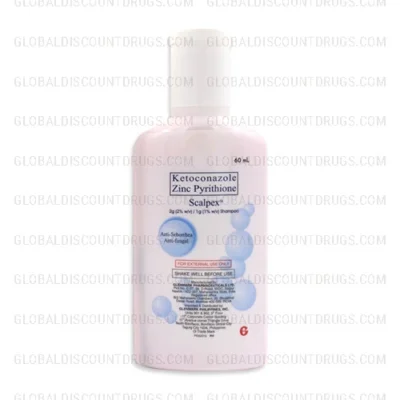
- Ketoconazole-Zinc Pyrithione -based shampoos, used for dandruff and seborrheic dermatitis
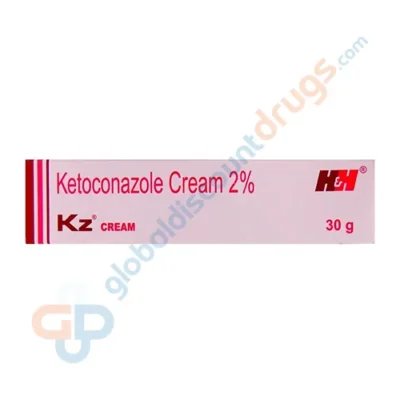
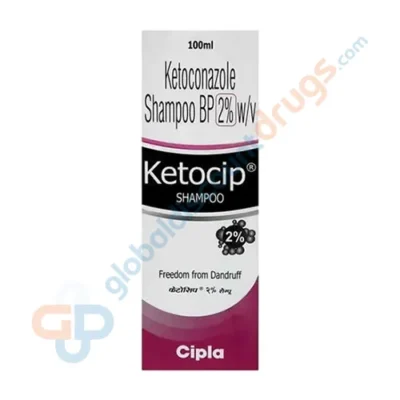
- Ketoconazole or other antifungal shampoos, used for dandruff, seborrheic dermatitis, or tinea versicolor
- Coal tar-based shampoos, used for scalp flaking and irritation
- Topical corticosteroids, used for inflammatory symptoms under specialist guidance
These alternatives differ in mechanism and formulation and are not necessarily interchangeable. Switching treatments should only be done in consultation with a licensed medical specialist, who can determine the most appropriate option for the individual’s condition.
Storage Instructions
- Store at room temperature, away from excessive heat, following the specific product label.
- Keep the container tightly closed when not in use to prevent evaporation or contamination.
- Keep away from direct sunlight if indicated on the label.
- Store out of reach of children and pets, as accidental ingestion or misuse can cause harm.
- Do not use past the expiration date printed on the packaging.
- Dispose of unused or expired medication according to local guidelines or pharmacy take-back programs.
Disclaimer:
This page is for educational purposes only. It is not a substitute for professional medical advice, diagnosis, or treatment. Patients must consult a licensed dermatologist or other relevant medical specialist before starting, changing, or stopping this treatment. Treatment decisions must be based on a full clinical evaluation by a qualified specialist familiar with the patient’s individual health history.
Prescription Required (Rx) to Buy?
This medication is not available over the counter. A valid prescription from a licensed healthcare
professional is required. Always consult your doctor before use.