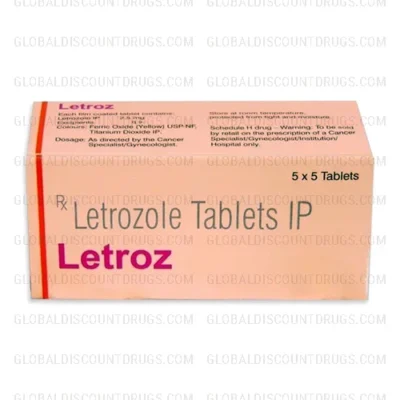

Letrozol
In StockLetrozol is an oral non-steroidal aromatase inhibitor, which is a major drug used in the endocrine treatment of hormone-receptor-positive breast cancer in postmenopausal women. It works by blocking the enzyme aromatase, which is responsible for producing estrogen in peripheral tissues. By dramatically lowering estrogen levels, Letrozol starves the estrogen-sensitive cancer cells, thereby slowing tumor growth and reducing the risk of recurrence.

What is Letrozole?
Letrozole is a prescription medicine used to treat certain breast cancers. It belongs to a drug class called aromatase inhibitors, a type of hormone (endocrine) therapy. It was first sold under the brand name Femara, and generic versions are widely available.
Approved uses: In the United States, letrozole is approved for postmenopausal women with:
- Early breast cancer: Hormone receptor-positive early breast cancer, as treatment after surgery (adjuvant therapy)
- Extended treatment: Continued treatment in early breast cancer after about 5 years of tamoxifen
- Advanced breast cancer: First-line treatment of hormone receptor-positive or hormone receptor-unknown advanced breast cancer
- Advanced breast cancer after other hormone therapy: Treatment of advanced breast cancer that has grown after antiestrogen therapy
Formulation and strength: Letrozole is taken by mouth as a 2.5 mg film-coated tablet. Other uses should be discussed only with your doctor.
What is the Recommended Dosage of Letrozole?
Your dose is set by your oncologist and should always follow their instructions and your pharmacy label. Letrozole is a tablet swallowed whole, usually once a day at about the same time each day, with or without food. Your care team will tell you how long to take it. Treatment often lasts several years.
Your care team may adjust the dose or schedule based on:
- Your condition: The length of treatment depends on the cancer type, stage, and your response.
- Liver function: People with cirrhosis or severe liver impairment may take a lower or less frequent dose.
- Kidney function: No routine change is needed for most kidney problems.
- Other medicines: Some medicines can affect how well letrozole works.
- Overall health: Age and other conditions can matter.
Do not change, skip, or stop doses on your own, even if you feel well.
How Letrozole Works
Some breast cancers grow in response to the hormone estrogen. After menopause, most estrogen is made when an enzyme called aromatase changes other hormones into estrogen in fat, muscle, and other tissues.
Letrozole blocks aromatase, which lowers estrogen levels in the body. With less estrogen, hormone-sensitive breast cancer cells may grow more slowly or be less likely to return. Letrozole is used to control the disease or lower the chance of it coming back, and it is not considered a cure. Regular exams, imaging, and follow-up visits are an important part of care.
Is a Prescription Required to Buy Letrozole Online?
Yes. Letrozole is prescription-only. It should be prescribed and monitored by a licensed medical oncologist (a cancer specialist), often a breast cancer specialist, who may work with a breast surgeon or other members of your care team.
- Tests on the tumor are needed to confirm that it is hormone receptor-positive.
- Buy only from a licensed pharmacy that requires a valid prescription.
- Counterfeit or substandard medicines exist. Be cautious of websites that sell without a prescription or ship from unclear sources.
- Check that the tablets match what your pharmacist describes, and ask your pharmacist if packaging or appearance looks different.
Side Effects of Letrozole
Not everyone gets every side effect. Many can be managed with help from your care team.
Common Side Effects
- Hot flashes and night sweats
- Joint pain, stiffness, or muscle aches
- Tiredness
- Headache or dizziness
- Nausea
- Hair thinning
- Swelling in the hands or feet
- Weight gain
- Vaginal dryness or discomfort
- Mood changes or trouble sleeping
- Higher cholesterol on blood tests
Serious Side Effects
These are less common but need prompt attention:
- Bone loss and fractures: letrozole can lower bone density over time, which may lead to osteoporosis or broken bones
- Heart and blood vessel problems: chest pain, shortness of breath, or signs of a heart attack or stroke
- Severe allergic reaction: swelling of the face, lips, or throat, trouble breathing, or widespread rash
- Liver problems: yellowing of the skin or eyes, dark urine, severe stomach pain, or unusual tiredness
- Severe skin reactions: blistering, peeling skin, or mouth sores (rare)
- Eye problems: blurred vision or changes in vision (rare)
- Blood clots: leg swelling or pain, or sudden shortness of breath
Seek immediate medical care if you have chest pain, trouble breathing, signs of stroke, swelling of the face or throat, or severe skin blistering. Contact your oncology team promptly for severe bone or joint pain, a fracture, vaginal bleeding, or any symptom that worries you.
Drug Interactions
Tell your oncologist and pharmacist about everything you take, including prescription drugs, over-the-counter (OTC) products, vitamins, supplements, and herbal products. Major categories include:
- Tamoxifen: Taking tamoxifen with letrozole can lower letrozole levels, and the two are not usually taken together.
- Estrogen-containing products: Hormone replacement therapy, estrogen creams or patches, and some birth control products may work against letrozole.
- Other cancer medicines: Your oncologist will decide if and how letrozole is combined with other treatments, such as CDK4/6 inhibitors.
- Herbal and soy products: Some supplements, such as black cohosh, red clover, or high-dose soy products, may act like estrogen. Ask your pharmacist before using any herbal or dietary supplement.
- Calcium and vitamin D: These are often recommended for bone health, but ask your care team what is right for you.
Bring a complete, updated medication list to every appointment.
Safety & Important Considerations
- Bone health: A bone density scan is often done before treatment and repeated as advised. Your team may recommend calcium, vitamin D, weight-bearing exercise, or bone-strengthening medicine.
- Cholesterol and heart health: Cholesterol may rise during treatment. Tell your team about any heart disease, high blood pressure, or high cholesterol.
- Liver disease: A lower or less frequent dose may be used for severe liver impairment.
- Kidney disease: Little change is expected for most kidney problems. Discuss severe kidney disease with your specialist.
- Menopausal status: Letrozole is approved only for postmenopausal women. If there is any doubt about menopausal status, your team may check hormone levels.
- Pregnancy: Letrozole can harm an unborn baby. It is not for use during pregnancy. Women who could become pregnant may need a pregnancy test before treatment and effective contraception during treatment and for at least 3 weeks after the last dose, according to U.S. labeling. Tell your oncologist right away if you are or may become pregnant.
- Breastfeeding: Breastfeeding is not recommended during treatment and for at least 3 weeks after the last dose.
- Dizziness and tiredness: Use caution when driving or using machines until you know how letrozole affects you.
- Older adults and children: Older adults take the same dose but are monitored for bone and heart health. Letrozole is not approved for use in children.
- Monitoring: Expect regular visits, breast exams, imaging, and blood tests, including cholesterol.
Who This Medication Is For
Letrozole is intended for postmenopausal women with hormone receptor-positive breast cancer, either early-stage cancer or advanced cancer, as decided by their oncology team. Treatment plans differ from person to person.
Who Should Not Take Letrozole
U.S. labeling does not list formal contraindications for letrozole, but it is not suitable for everyone, and some people need extra caution. In some other countries, severe allergy to letrozole or its ingredients, pregnancy, breastfeeding, and being premenopausal are listed as reasons not to use it.
Discuss with your oncologist before starting if you:
- Have had an allergic reaction to letrozole or any tablet ingredient
- Are premenopausal, pregnant, planning pregnancy, or breastfeeding
- Have osteoporosis or a high risk of broken bones
- Have heart disease, high blood pressure, or high cholesterol
- Have liver disease or severe kidney disease
- Take medicines that interact with letrozole, such as tamoxifen or estrogen products
What to Do If You Miss a Dose
- Take the missed dose as soon as you remember, unless it is almost time for your next dose. In that case, skip the missed dose and continue with your regular schedule.
- Never take two doses at once to make up for a missed one.
- If you are unsure what to do, or you miss several doses, contact your oncology team or pharmacist.
Related medications to Letrozole
Other medicines are used for hormone receptor-positive breast cancer, depending on the cancer’s stage and features, your menopausal status, and your health:
- Other aromatase inhibitors: anastrozole and exemestane
- Other hormone-based treatments: tamoxifen, fulvestrant, and newer oral hormone therapies
- Combination approaches: hormone therapy together with CDK4/6 inhibitors (such as abemaciclib, palbociclib, or ribociclib) or other targeted medicines in selected cases
- Other approaches: chemotherapy, surgery, and radiation
These medicines differ in side effects, interactions, and approved uses. Switching or combining treatments must be decided together with your oncologist.
Storage Instructions
- Store at room temperature, about 68°F to 77°F (20°C to 25°C), with brief trips between 59°F and 86°F (15°C to 30°C) allowed.
- Keep tablets in the original container with the lid tightly closed, away from moisture (not in the bathroom) and light.
- Keep out of reach of children and pets.
- Do not use tablets past the expiration date. Ask your pharmacist about safe disposal of unused medicine.
- Caregivers who are pregnant or planning pregnancy should ask the care team about handling precautions and should avoid handling crushed or broken tablets.
Disclaimer:
This page is for educational purposes only. It is not a substitute for professional medical advice, diagnosis, or treatment. Patients must consult a licensed medical oncologist before starting, changing, or stopping treatment. Treatment decisions must be based on a full clinical evaluation by a qualified specialist.
Prescription Required (Rx) to Buy?
This medication is not available over the counter. A valid prescription from a licensed healthcare
professional is required. Always consult your doctor before use.