
Tianeptine
In StockTianeptine is an atypical antidepressant with a unique mechanism of action, sometimes referred to as a selective serotonin reuptake enhancer (SSRE), used for treating major depressive disorder. It works by increasing the reuptake of serotonin, which is theorized to normalize stress-induced changes in brain structure and function. This API is also noted for its anxiolytic and neuroprotective properties. Tianeptine offers a distinct pharmacological option in mood disorder treatment.

What Is Tianeptine?
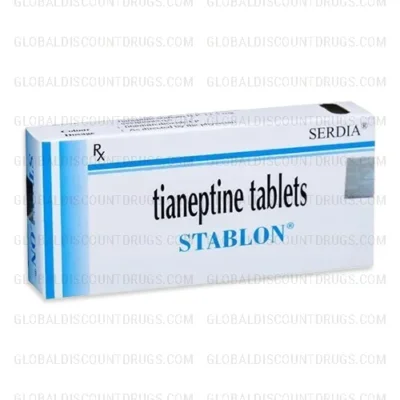
Tianeptine is an antidepressant medicine that was developed and is prescribed in some countries outside the United States (including France and several other countries) under brand names such as Stablon, Coaxil, and Tatinol. It is chemically different from most other antidepressants.
In the United States, tianeptine is not approved by the FDA for any medical use. It is not a legally marketed prescription drug, dietary supplement, or over-the-counter product in the U.S. Products containing tianeptine sold in the U.S. — sometimes marketed under names implying they are supplements, nootropics, or “mood support” products — are not regulated for safety, purity, or dosing accuracy.
Uses in Countries Where It Is Approved
Where it is licensed by health authorities, tianeptine has been prescribed for:
- Major depressive disorder
- Anxiety associated with depressive symptoms, in some countries
Formulations (Outside the U.S.)
- Tablets, commonly Tianeptine 12.5mg Tablet
- Newer extended-release formulations exist in some markets
Important Safety Warning: Abuse, Dependence, and Overdose Risk
This is placed early because it is essential to understand before considering this substance in any form:
- Tianeptine acts on opioid receptors in the brain at higher doses, in addition to its effects on serotonin. This is different from typical antidepressants and is the reason it carries a risk profile more similar to opioids.
- Repeated use can lead to physical dependence, tolerance, and addiction, and stopping after regular use can cause an opioid-like withdrawal syndrome.
- Overdose is possible and has caused deaths, particularly when tianeptine is taken in large amounts, combined with other substances (including opioids, sedatives, or alcohol), or used long-term at escalating doses.
- U.S. poison control centers and public health agencies have reported a rising number of calls and hospitalizations related to tianeptine misuse, and several U.S. states have classified tianeptine as a controlled substance or banned its sale.
- Because unregulated U.S. products are not standardized, their actual tianeptine content and purity are unknown and may not match the label.
If you or someone you know is using an unregulated tianeptine product and experiencing symptoms such as severe drowsiness, slowed or difficult breathing, confusion, or unresponsiveness, call 911 or go to an emergency room immediately. If withdrawal symptoms occur after stopping regular use (such as agitation, sweating, muscle aches, nausea, or intense cravings), medical support can help manage this safely — do not attempt to manage significant withdrawal alone.
How Tianeptine Works
In countries where it is an approved antidepressant, tianeptine is thought to work by affecting how brain cells communicate, including effects on stress-related brain changes and on serotonin signaling, though its exact mechanism differs from typical antidepressants. At higher doses than those used for approved medical treatment, tianeptine also activates mu-opioid receptors, the same receptor system affected by opioid pain medicines and drugs like morphine. This opioid activity is believed to be responsible for its abuse potential, its dependence and withdrawal risks, and its potential to cause dangerous slowing of breathing in overdose.
Is a Prescription Required to Buy Tianeptine Online?
In the United States, tianeptine is not a legally approved prescription medication, and it cannot be legitimately prescribed by a U.S. doctor for depression or any other condition. Products sold online as supplements or “research chemicals” are not verified for safety or dosing, and several states now prohibit their sale entirely.
If you are being treated for depression, anxiety, or another mental health condition, please speak with:
- A primary care physician
- A psychiatrist
- A licensed mental health provider
There are FDA-approved treatments for depression that have established safety and effectiveness data. If you have obtained tianeptine products and are using them, it is important to discuss this openly with a healthcare provider so you can be supported safely, including with any tapering or withdrawal process — you will not be in trouble for disclosing this, and honest information helps your provider keep you safe.
Side Effects Reported with Tianeptine
Commonly Reported Effects (at doses used in countries where it is approved)
- Dry mouth
- Constipation
- Nausea or stomach discomfort
- Dizziness
- Drowsiness or, alternately, trouble sleeping
- Headache
Serious Effects, Especially with Higher Doses or Unregulated Products
- Slowed, shallow, or stopped breathing (a life-threatening emergency)
- Extreme sedation or unresponsiveness
- Seizures
- Fast or irregular heartbeat
- Symptoms of serotonin excess, such as agitation, high fever, muscle rigidity, and rapid heart rate, particularly when combined with other serotonin-affecting medicines
- Signs of dependence, including needing more to get the same effect and withdrawal symptoms between doses
- Liver injury has been reported in some cases
Drug and Substance Interactions
Because tianeptine affects both serotonin and opioid receptor systems, combining it with other substances can be especially dangerous:
- Opioid pain medicines or other opioid receptor–active substances, which can add to sedation and the risk of dangerously slowed breathing
- Alcohol, which increases sedation and breathing-related risks
- Benzodiazepines and other sedatives, which increase the risk of severe sedation and breathing problems
- MAOI antidepressants, which should not be combined with tianeptine due to serotonin-related risk
- Other serotonin-affecting medicines (such as SSRIs, SNRIs, and certain migraine or pain medicines), which may increase the risk of serotonin syndrome
If you are taking or considering tianeptine in any form, tell a healthcare provider about every other medicine, supplement, and substance you use, including alcohol and recreational drugs.
Safety & Important Considerations
- Not FDA-approved and not standardized in the U.S. There is no assurance of accurate labeling, dosing, or purity in products sold in the U.S.
- Pregnancy and breastfeeding: Safety has not been established, and given the opioid receptor activity, there are concerns about effects on a newborn, including possible withdrawal after birth. This should be discussed urgently with a healthcare provider if applicable.
- Children and adolescents: Not appropriate for use in this population outside of a legitimate prescribing context in a country where it is approved and supervised by a specialist.
- Mental health monitoring: As with other antidepressant-acting substances, changes in mood, new or worsening depression, or thoughts of self-harm should be reported to a healthcare provider promptly, particularly when starting, stopping, or changing any treatment for depression.
- Do not stop long-term use abruptly without medical guidance, due to withdrawal risk.
Who This Substance Has Been Used By
In countries where tianeptine is an approved medicine, it has been prescribed to adults with major depressive disorder under specialist supervision, with defined dosing. In the United States, there is no legitimate approved patient population, since it is not an approved medication.
Who Should Not Use Tianeptine
Tianeptine should be avoided by:
- Anyone with a history of substance use disorder or opioid dependence, given its opioid receptor activity and abuse potential
- Anyone taking an MAOI antidepressant
- Anyone taking opioids, sedatives, or who uses alcohol regularly, due to added risk
- Pregnant or breastfeeding individuals, given the lack of safety data and dependence concerns
- Anyone with significant respiratory or breathing problems
Given the overall risk profile and lack of U.S. regulation, anyone considering tianeptine for depression or any other condition should discuss FDA-approved alternatives with a healthcare provider instead.
What to Do If a Dose Is Missed
Because tianeptine is not a regulated, provider-directed medication for most people in the U.S., there is no standard medical guidance for a missed dose. If you are being treated under the supervision of a licensed prescriber in a country where it is approved, follow their specific instructions and contact them with questions rather than adjusting the dose yourself.
Related medication to Tianeptine
For depression and anxiety, there are FDA-approved options with well-established safety monitoring, including:
- SSRIs (such as sertraline, escitalopram, fluoxetine)
- SNRIs (such as venlafaxine, duloxetine)
- Other antidepressant classes, chosen based on individual history and symptoms
- Non-medication treatments, such as psychotherapy (including cognitive behavioral therapy), which can be used alone or alongside medication
A licensed prescriber can help identify the most appropriate, well-studied option for your specific situation.
Storage Considerations
Because tianeptine is not a regulated product in the U.S., there is no standardized U.S. storage guidance. If you have any tianeptine product, keep it out of reach of children and pets, and speak with a healthcare provider or, if there is immediate danger, poison control (1-800-222-1222 in the U.S.) or emergency services about safe disposal.
Disclaimer:
This page is for educational purposes only. It is not a substitute for professional medical advice, diagnosis, or treatment, and it is not an endorsement of tianeptine use. Tianeptine is not FDA-approved in the United States, and unregulated products carry serious risks, including dependence, overdose, and death. If you are using a tianeptine-containing product, or are struggling with depression, anxiety, or substance use, please speak with a licensed healthcare provider, psychiatrist, or addiction medicine specialist. If you are in crisis or considering self-harm, call or text 988 (Suicide & Crisis Lifeline) in the United States. If you believe someone is experiencing an overdose, call 911 immediately.
Prescription Required (Rx) to Buy?
This medication is not available over the counter. A valid prescription from a licensed healthcare
professional is required. Always consult your doctor before use.