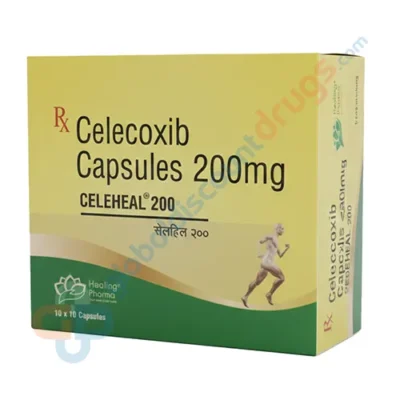
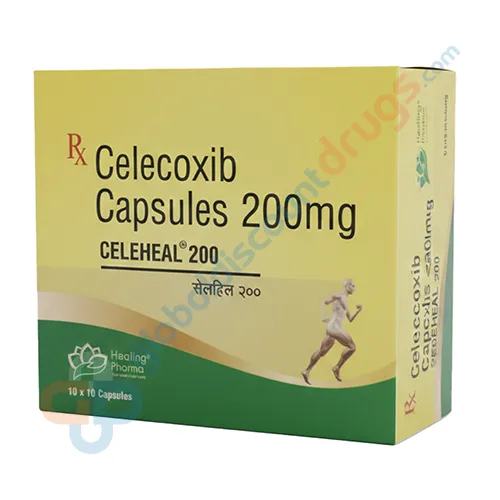
Celecoxib
In StockCelecoxib is a selective Non-Steroidal Anti-Inflammatory Drug (NSAID) that works by inhibiting the COX-2 enzyme, primarily used for pain relief and inflammation in conditions like osteoarthritis and rheumatoid arthritis. By selectively targeting COX-2 over COX-1, it aims to reduce the gastrointestinal side effects commonly associated with traditional NSAIDs. This API provides effective, sustained anti-inflammatory and analgesic action. Celecoxib is a key option for patients requiring chronic NSAID therapy with reduced stomach risk.

What is Celecoxib?
Celecoxib is a nonsteroidal anti-inflammatory drug (NSAID) in a subgroup called COX-2 inhibitors (or “coxibs”). It helps reduce pain, swelling, stiffness, and inflammation. The best-known brand name is Celebrex, and generic versions are widely available.
Approved Uses
In the United States, celecoxib is approved to:
- Relieve the signs and symptoms of osteoarthritis
- Relieve the signs and symptoms of rheumatoid arthritis
- Relieve the signs and symptoms of juvenile rheumatoid arthritis in children 2 years and older (capsules, based on weight)
- Relieve the signs and symptoms of ankylosing spondylitis
- Manage acute pain in adults
- Relieve primary dysmenorrhea (menstrual cramps)
- Treat acute migraine with or without aura in adults (specific oral solution product only)
Other Common Uses
Doctors may also prescribe celecoxib for short-term pain after injuries or procedures. These uses should always be directed by a licensed medical specialist.
Available Forms and Strengths
| Form | Common Strengths | Notes |
|---|---|---|
| Capsules | 50 mg, 100 mg, 200 mg, 400 mg | Most common form |
| Oral solution (for acute migraine) | 25 mg/mL | Single-use product for migraine only |
| Combination tablets with amlodipine | Varies | For people who need both arthritis and blood pressure treatment |
| Combination tablets with tramadol | Varies | Short-term use for acute pain in adults; includes an opioid |
Available strengths and forms can differ by country and manufacturer. Always check the label on your pharmacy package.
What is the Recommended Dosage of Celecoxib?
The right dose is different for each person. A licensed medical specialist will decide the dose based on several factors:
- Condition being treated: Dosing for acute pain or menstrual cramps is different from dosing for long-term arthritis.
- Age: Older adults are often started on lower doses. Dosing in children depends on weight.
- Body weight: This is especially important for children with juvenile arthritis and for some older or low-weight adults.
- Kidney and liver function: People with reduced kidney or liver function may need a lower dose or may need to avoid celecoxib.
- How your body processes the medicine: Some people break down celecoxib slowly because of a genetic difference (called CYP2C9 poor metabolizers). They may need a lower dose.
- Other health conditions and medicines: Heart disease, high blood pressure, and stomach problems can affect whether celecoxib is a safe choice.
Key Safety Points About Dosing
- Take celecoxib exactly as prescribed. Do not change your dose or schedule on your own.
- The goal is to use the lowest effective dose for the shortest time needed.
- Celecoxib capsules may be taken with or without food. Taking them with food may reduce stomach upset.
- Swallow capsules whole with water. If you cannot swallow capsules, ask your pharmacist whether the capsule can be opened and mixed with a small amount of soft food, such as applesauce, as directed on the label.
- Do not take other NSAIDs, such as ibuprofen, naproxen, or diclofenac, unless your specialist tells you to.
Exact doses are not listed here because they must be set for each individual. Confirm your dose with your prescriber or pharmacist.
How Celecoxib Works
The body makes natural chemicals called prostaglandins. They play a role in causing pain, swelling, and inflammation. Enzymes called COX-1 and COX-2 help make prostaglandins.
Traditional NSAIDs block both enzymes. Celecoxib mainly blocks COX-2, the enzyme most involved in inflammation and pain. Because COX-1 helps protect the stomach lining, celecoxib may cause fewer stomach problems than some traditional NSAIDs in some people, but it does not remove that risk completely.
Important points to understand:
- Celecoxib manages symptoms. It does not cure arthritis or repair joint damage.
- Celecoxib does not have the same effect on platelets as traditional NSAIDs, so it does not provide the heart-protective effect of aspirin.
- For arthritis, the full effect on pain and stiffness may take days to a couple of weeks of regular use.
Is a Prescription Required to Buy Celecoxib Online?
Yes. Celecoxib is a prescription-only medicine in the United States. It is not sold over the counter.
Who to Talk To
Depending on your condition, you may speak with:
- A rheumatologist for rheumatoid arthritis, ankylosing spondylitis, and other inflammatory joint conditions
- An orthopedic specialist for osteoarthritis or joint and muscle injuries
- A neurologist or headache specialist for migraine
- A gynecologist for severe menstrual pain
- A pediatric rheumatologist for juvenile arthritis
- A primary care physician or pain management specialist for pain-related concerns
- A pharmacist for questions about interactions and how to take your medicine
Buying Safely Online
- Purchase only from licensed, accredited pharmacies that require a valid prescription.
- Be cautious of websites that sell celecoxib without a prescription. Counterfeit, contaminated, or incorrectly dosed medicines are a real risk.
- Check that packaging is sealed, clearly labeled, and not expired.
- Avoid veterinary products. Animal medicines are not made or approved for human use.
Side Effects of Celecoxib
Many people take celecoxib without serious problems. Side effects are more likely with higher doses and longer treatment.
Common Side Effects
- Upset stomach, heartburn, or indigestion
- Stomach pain
- Nausea
- Diarrhea
- Gas or bloating
- Headache
- Dizziness
- Sore throat, stuffy nose, or other cold-like symptoms
- Swelling in the hands, feet, or ankles
- Mild rash
Contact your doctor if a common side effect does not go away or becomes bothersome.
Serious Side Effects
Serious side effects are uncommon but can be life-threatening. Stop taking celecoxib and get medical help right away if you notice any of the following:
- Black, tarry, or bloody stools
- Vomiting blood or material that looks like coffee grounds
- Severe or persistent stomach pain
- Chest pain, shortness of breath, weakness on one side of the body, slurred speech, or sudden vision changes (possible signs of heart attack or stroke)
- Swelling of the face, lips, tongue, or throat, or trouble breathing (signs of a serious allergic reaction)
- Severe skin rash, blisters, peeling skin, mouth sores, or a rash with fever
- Sudden weight gain, severe swelling, or very little urine (possible kidney problems)
- Yellowing of the skin or eyes, dark urine, or severe tiredness (possible liver problems)
- Unusual bruising or bleeding, or unusual paleness
If you think someone has taken too much celecoxib, call a poison control center or emergency services immediately. In the United States, Poison Control can be reached at 1-800-222-1222.
Drug Interactions
Celecoxib can interact with many other medicines. Interactions may raise the risk of bleeding, kidney problems, or high blood pressure, or may change how well a medicine works.
Prescription Medications
- Other NSAIDs (such as ibuprofen, naproxen, diclofenac, meloxicam, or etodolac): taking two NSAIDs together raises the risk of stomach bleeding and kidney injury.
- Aspirin: Using aspirin with celecoxib increases the risk of stomach bleeding. Celecoxib does not replace low-dose aspirin taken for heart protection, so do not stop aspirin unless your doctor tells you to.
- Blood thinners (such as warfarin, apixaban, rivaroxaban, or clopidogrel): bleeding risk increases.
- Blood pressure medicines (ACE inhibitors, ARBs, beta-blockers, and diuretics): celecoxib may reduce their effect and may raise the risk of kidney problems.
- Fluconazole and similar antifungals: these can raise celecoxib levels in the blood, so a lower celecoxib dose may be needed.
- Corticosteroids (such as prednisone): higher risk of stomach ulcers and bleeding.
- Antidepressants (SSRIs and SNRIs): higher risk of bleeding.
- Lithium: celecoxib can raise lithium levels in the blood.
- Methotrexate: celecoxib may increase methotrexate levels and the risk of toxicity.
- Cyclosporine and tacrolimus: higher risk of kidney damage.
- Medicines processed by the CYP2D6 enzyme (such as some beta-blockers and antidepressants): celecoxib may increase their levels, so your doctor may adjust doses.
Over-the-Counter Medications
- Pain relievers and cold, flu, or sinus products that contain ibuprofen, naproxen, or aspirin
- Some stomach remedies that contain salicylates
Supplements and Herbal Products
- Ginkgo biloba, high-dose fish oil, garlic supplements, ginger, and willow bark may increase bleeding risk
- Other herbal products may also interact, even when labeled “natural”
Alcohol
Drinking alcohol while taking celecoxib can raise the risk of stomach irritation and bleeding.
Tip: Give your licensed medical specialist and pharmacist a complete list of everything you take, including prescriptions, OTC medicines, vitamins, supplements, and herbal products.
Safety & Important Considerations
FDA Boxed Warnings
Celecoxib carries boxed warnings (the FDA’s strongest warning) about:
- Heart and blood vessel risk: NSAIDs may raise the risk of heart attack and stroke. This risk can happen early in treatment and may be higher with higher doses, longer use, or existing heart disease.
- Stomach and intestinal risk: NSAIDs can cause ulcers, bleeding, and tears in the stomach or intestines. These problems can occur without warning and are more likely in older adults and people with a history of ulcers or bleeding.
- Heart bypass surgery: Celecoxib should not be used right before or after coronary artery bypass graft (CABG) surgery.
Sulfonamide (“Sulfa”) Allergy
Celecoxib contains a sulfonamide chemical group. People who have had a serious allergic reaction to sulfonamide medicines should not take celecoxib.
Kidney Disease
Celecoxib can reduce blood flow to the kidneys. People with kidney disease, dehydration, or heart failure, and those taking diuretics or blood pressure medicines, should use it only under medical guidance.
Liver Disease
Rarely, NSAIDs can cause liver injury. People with moderate or severe liver disease may need a lower dose or may need to avoid celecoxib.
High Blood Pressure and Heart Failure
NSAIDs can raise blood pressure and cause the body to hold on to fluid. This may worsen high blood pressure or heart failure.
Pregnancy and Breastfeeding
- Pregnancy: The FDA advises that NSAIDs, including celecoxib, should generally be avoided at 20 weeks of pregnancy or later, because they may cause rare but serious kidney problems in the unborn baby and low amniotic fluid. Use in the third trimester is not recommended because of risks to the baby’s heart blood vessels. Talk to a doctor before using celecoxib at any stage of pregnancy or if you are trying to become pregnant.
- Breastfeeding: Small amounts of celecoxib pass into breast milk. Discuss the risks and benefits with your doctor, who may suggest an alternative.
Children
- Celecoxib capsules are approved for juvenile rheumatoid arthritis in children 2 years and older, with dosing based on weight. This should only be directed by a pediatric specialist.
- Safety and effectiveness for other uses in children have not been established.
Older Adults
Adults over 65 are at higher risk for stomach bleeding, kidney problems, and heart-related side effects. Lower doses and shorter treatment are often advised.
Monitoring
Depending on your health history and how long you take celecoxib, your specialist may check:
- Blood pressure
- Kidney function and liver tests (blood tests)
- Blood counts, especially if you have signs of bleeding or anemia
- Symptoms such as stomach pain, swelling, or changes in urination
Other Precautions
- Celecoxib may cause dizziness or tiredness. Use caution when driving or operating machinery until you know how it affects you.
- Rarely, NSAIDs can cause serious skin reactions or a severe allergic reaction, even if you have taken them before without problems.
- Combination products containing tramadol carry additional opioid-related warnings, including risks of dependence and breathing problems. Ask your doctor or pharmacist for the specific safety information for that product.
- Tell all of your health care providers, including your dentist, that you take celecoxib before any surgery or procedure.
Who This Medication Is For
Celecoxib is generally prescribed for:
- Adults with osteoarthritis, rheumatoid arthritis, or ankylosing spondylitis who need relief from pain, stiffness, and swelling
- Children 2 years and older with juvenile rheumatoid arthritis, under specialist care
- Adults who need short-term relief from acute pain or menstrual cramps
- Adults with acute migraine, using the specific oral solution product
Celecoxib is not right for everyone. A licensed medical specialist will decide whether it is a suitable choice based on your health history and other medicines.
Who Should Not Take Celecoxib
Do not take celecoxib if you:
- Have had an allergic reaction (such as hives, wheezing, or swelling) to celecoxib, aspirin, or any other NSAID
- Have had a serious allergic reaction to sulfonamide (“sulfa”) medicines
- Have a history of asthma, nasal polyps, or breathing problems triggered by aspirin or NSAIDs
- Are about to have or have recently had heart bypass (CABG) surgery
- Are in the later stages of pregnancy (see the pregnancy section above)
Talk to your doctor before use if you:
- Have a history of heart disease, stroke, high blood pressure, or high cholesterol
- Have a history of stomach ulcers, bleeding, or inflammatory bowel disease
- Have kidney or liver disease
- Have a bleeding or clotting disorder
- Have asthma or lupus
- Drink alcohol regularly
- Are over age 60
- Are pregnant, trying to become pregnant, or breastfeeding
What to Do If You Miss a Dose
- If you miss a dose, take it as soon as you remember.
- If it is almost time for your next dose, skip the missed dose and return to your normal schedule.
- Never take a double dose to make up for a missed one.
- If you take celecoxib only as needed, take it only when needed and follow the time between doses on your label.
- If you are unsure what to do, contact your licensed medical specialist or pharmacist.
Related medications to Celecoxib
Other medicines may be used for similar conditions. Which one is appropriate depends on your health history, other medications, and the reason for treatment.
- Other NSAIDs: ibuprofen, naproxen, diclofenac, meloxicam, and etodolac. These work in a similar way but differ in strength, how long they last, and risk profile.
- Acetaminophen: A pain and fever reducer that is not an NSAID. It does not reduce inflammation, and it must be used carefully to avoid liver injury.
- Topical NSAIDs: Gels or patches may be used for localized joint pain.
- Disease-modifying medicines: For rheumatoid arthritis or ankylosing spondylitis, specialists may use other medicines that treat the underlying disease rather than only the symptoms.
- Non-medication approaches: Physical therapy, exercise, heat or cold therapy, and weight management may help some people with joint pain.
Do not switch, combine, or stop medications without speaking to a licensed medical specialist. Switching treatments requires a full review of your health history and other medicines.
Storage Instructions
- Store at room temperature, generally 68°F to 77°F (20°C to 25°C), unless the label says otherwise.
- Keep in a dry place away from moisture. Avoid storing in bathrooms.
- Protect from heat and direct light.
- Keep in the original, tightly closed container.
- Keep out of reach and sight of children and pets. Store medicines in a high, secure location.
- Do not use after the expiration date. Ask a pharmacist about safe ways to dispose of unused or expired medicine, or use a local drug take-back program.
Disclaimer:
This page is for educational purposes only. It is not a substitute for professional medical advice, diagnosis, or treatment. Patients and caregivers must consult a licensed medical specialist, such as a rheumatologist, orthopedic specialist, neurologist, pediatric rheumatologist, or primary care physician, before starting, changing, or stopping treatment with celecoxib. Treatment decisions must be based on a full clinical evaluation by a qualified specialist. If you think you are having a medical emergency, call your local emergency number right away.
Prescription Required (Rx) to Buy?
This medication is not available over the counter. A valid prescription from a licensed healthcare
professional is required. Always consult your doctor before use.