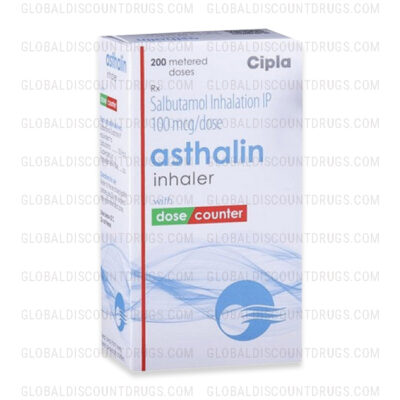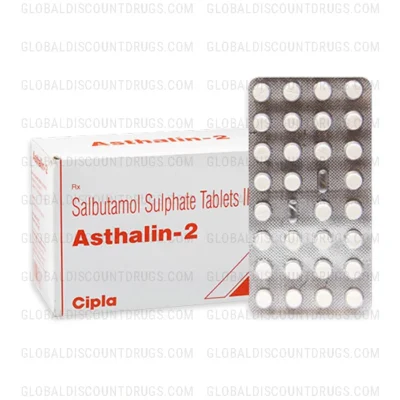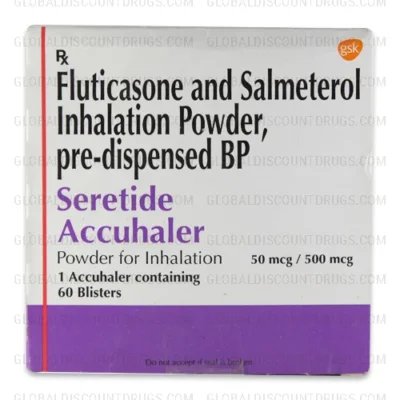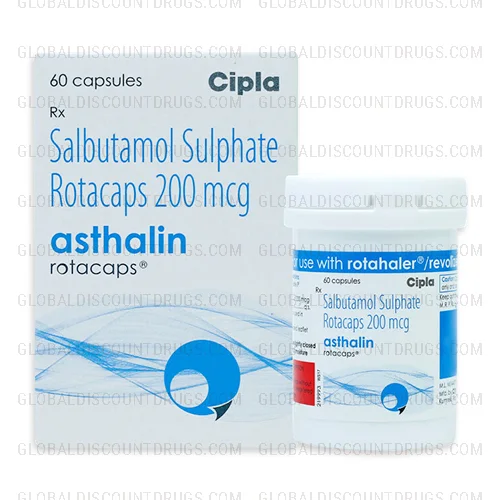
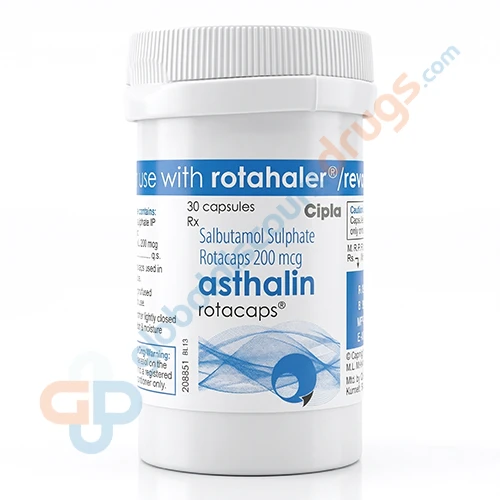
Albuterol/Salbutamol
In StockAlbuterol (known internationally as Salbutamol) is a fast-acting, short-duration beta-2 agonist used as a cornerstone treatment for asthma and COPD. It rapidly relaxes the smooth muscles in the airways, leading to bronchodilation and immediate relief from symptoms like wheezing and shortness of breath. This essential API is a vital component of “rescue inhalers,” providing immediate relief during acute respiratory episodes. Its reliable action makes it indispensable for respiratory care.

What Is Albuterol (Salbutamol)?
Albuterol and salbutamol are two names for the same medicine. The name albuterol is used in the United States, and salbutamol is used in the United Kingdom and many other countries. It is often called a “rescue” or “reliever” medicine.
Drug class: Short-acting beta2-agonist (SABA), a type of bronchodilator.
Approved and Common Prescribed Uses
Depending on the country, product, and label, albuterol is approved for:
- Asthma and other reversible airway blockage: treatment or prevention of bronchospasm (tightening of the airway muscles) in people with reversible obstructive airway disease.
- Prevention of exercise-induced bronchospasm: use before exercise in people who get airway tightening with physical activity.
- COPD symptom relief, as directed by a doctor.
Albuterol is a reliever. It treats symptoms but does not control the underlying inflammation of asthma, so it is often used together with a daily controller medicine.
Available Formulations and Strengths
| Formulation | Common Strengths | Notes |
|---|---|---|
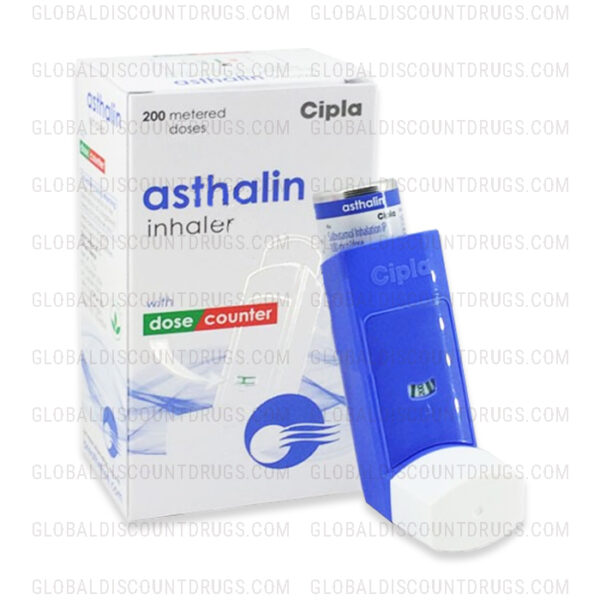
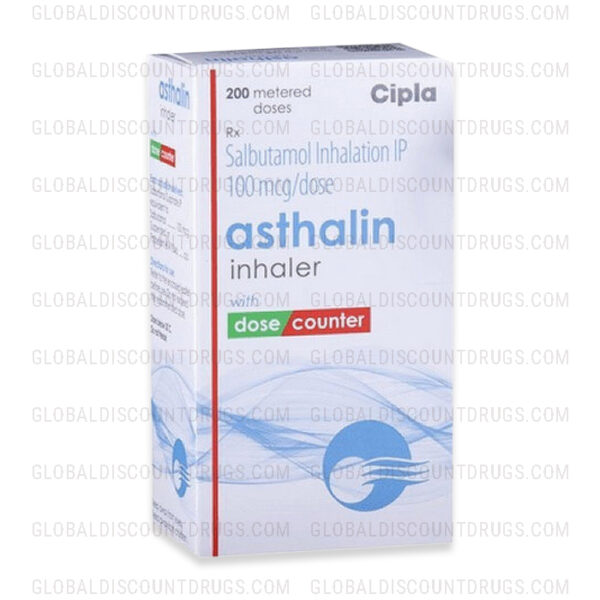
| Inhalation aerosol (metered-dose inhaler) | About 90 mcg per puff (100 mcg in some countries) | Most common form. Often used with a spacer, especially for children. |
| Dry powder inhaler (breath-activated) | About 90 mcg per dose | Available in some countries. Requires a strong, quick breath in. |
| Nebulizer solution | Common solutions include 0.083% (2.5 mg per 3 mL), 0.042%, 0.021%, and a concentrated 0.5% form | Used in a nebulizer machine. The concentrated form must be diluted. |
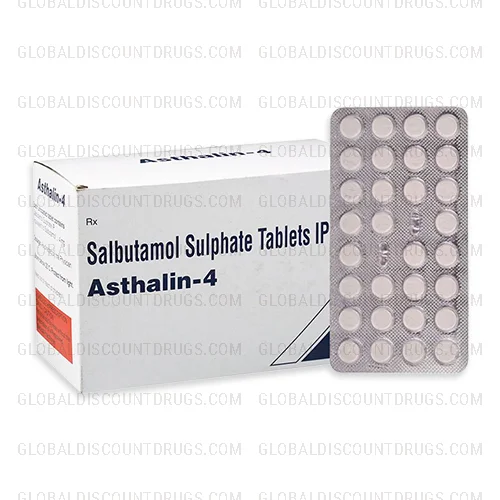
| Tablets | Commonly 2 mg and 4 mg | Taken by mouth. Extended-release tablets are also available in some countries. |
| Oral liquid (syrup) | Commonly about 2 mg per 5 mL | Available in some countries. |
| Injection or intravenous solution | Varies | Given only by healthcare professionals, in some countries. |
Available products, strengths, and approved ages differ by country and brand. A prescriber or pharmacist can confirm what applies to a particular patient.
What Is the Recommended Dosage of Albuterol (Salbutamol)?
A licensed healthcare professional chooses the form, strength, and schedule. The dose depends on:
- The condition being treated and how severe it is.
- Age: children, teenagers, and adults use different strengths and forms, and approved ages vary by product.
- How the medicine is being used: as needed for quick relief, before exercise, or on a scheduled basis in some cases.
- Heart health and other conditions, such as thyroid disease, diabetes, or seizures.
- Other medicines being used.
Body weight is not usually used to set the dose for inhalers and nebulizers. Oral liquid and some other forms may be dosed by age or weight in children. Dose adjustments for kidney or liver disease are not typically needed for inhaled forms, but share any such conditions with your provider.
Dosage Forms
- Inhalation aerosol
- Dry powder inhaler
- Nebulizer solution
- Tablets and oral liquid
- Injection, given by a healthcare professional in some settings
General Use Information
Inhaled albuterol is generally used as needed for symptoms, or about 15 to 30 minutes before exercise when directed, with a set minimum time between doses. It starts working within minutes, and the effect lasts about 4 to 6 hours.
Use the smallest amount that controls symptoms. Needing it more often than usual is a warning sign that asthma or COPD is not well controlled. Contact a healthcare professional promptly if that happens. Follow your specialist’s instructions and the pharmacy label.
How Albuterol (Salbutamol) Works
The airways are wrapped in small muscles. During an asthma flare-up, these muscles tighten, the airways narrow, and breathing becomes difficult, often with wheezing and chest tightness.
Albuterol attaches to beta2 receptors on the airway muscles and signals them to relax. The airways open wider and air flows more easily. Inhaled forms act directly in the lungs, which is why relief is usually fast.
Albuterol relieves symptoms but does not cure asthma or COPD and does not treat airway inflammation. It is not a substitute for a daily controller medicine when one is prescribed.
Is a Prescription Required to Buy Albuterol (Salbutamol) Online?
Yes. In the United States and many other countries, albuterol (salbutamol) is available by prescription only. In a few countries, certain inhalers may be sold by a pharmacist without a prescription, but a healthcare professional should still review the need for it.
Which Specialist Can Help?
- A pulmonologist (lung specialist) commonly manages COPD and harder-to-control asthma.
- An allergist/immunologist often treats allergic asthma.
- A pediatrician or primary care provider may also prescribe it and follow the patient over time.
Buying Safely
- Buy only from licensed pharmacies that ask for a valid prescription.
- Be wary of sites that sell inhalers or nebulizer solutions without a prescription or at prices that seem too low. Counterfeit rescue inhalers can be dangerous because they may contain the wrong ingredients or deliver the wrong amount.
- Make sure the package is sealed, properly labeled, and has an expiration date. If anything looks odd, ask a pharmacist.
Side Effects of Albuterol (Salbutamol)
Many people tolerate albuterol well, but side effects can occur. Not everyone will have them.
Common Side Effects
- Shakiness or tremor, especially in the hands
- Nervousness or restlessness
- Headache
- Fast or pounding heartbeat
- Dizziness
- Throat irritation or cough
- Muscle cramps
- Nausea or upset stomach
- Trouble sleeping
Serious Side Effects
These are uncommon but important:
- Breathing that suddenly gets worse right after a dose (paradoxical bronchospasm)
- Allergic reactions: rash, hives, swelling of the face, lips, or tongue, or trouble breathing
- Rapid, pounding, or irregular heartbeat, chest pain, or high blood pressure
- Low blood potassium, which can cause muscle weakness, cramps, or heart rhythm problems
- High blood sugar
- Worsening asthma control if the medicine is overused
- Lactic acidosis (a buildup of acid in the blood), reported rarely with high doses
When to Get Medical Help Right Away
Seek emergency care if there is:
- Severe trouble breathing, or breathing that gets worse after using the medicine
- The medicine does not give relief, or relief lasts a shorter time than usual
- Swelling of the face, lips, tongue, or throat
- Chest pain or a very fast or irregular heartbeat
- Fainting or severe dizziness
Contact a healthcare professional soon if you need the medicine more often than usual, or if your symptoms are getting worse.
Drug Interactions
Some medicines can change how albuterol works or increase the chance of side effects. Give your specialist and pharmacist a full list of everything you use.
Prescription Medicine Categories
- Other beta-agonists and stimulant medicines, including other inhalers, oral products, and stimulants, which may add to heart and nervous system effects.
- Beta-blockers, including some eye drops, which can block the effect of albuterol and may trigger breathing problems in some people.
- Diuretics (“water pills”), steroids, and xanthine medicines (such as theophylline), which can add to potassium-lowering effects.
- Digoxin, a heart medicine, since albuterol may lower its blood levels.
- Monoamine oxidase inhibitors (MAOIs) and tricyclic antidepressants, which may increase effects on the heart and blood vessels, including for about two weeks after stopping them.
- Medicines that can affect heart rhythm (QT prolongation).
Over-the-Counter (OTC) Medicines
- Decongestants and some cold and allergy products may raise heart rate or blood pressure.
- Other OTC inhalers or asthma products should be used only with a healthcare professional’s approval.
Supplements and Herbal Products
- Stimulant-type supplements (for example, those with high caffeine, ephedra-like ingredients, or bitter orange) may add to heart-related effects.
- St. John’s wort and other herbal products can change how the body handles medicines. Ask before using them.
Do not start, stop, or change any medicine or supplement without telling your healthcare professional.
Safety & Important Considerations
Overuse Warning
Using albuterol more often than directed, or needing it more often than usual, can be a sign of worsening disease. Do not increase the dose or frequency on your own. Contact a healthcare professional right away.
Keep a Controller Plan
If you have asthma, your doctor may prescribe a daily controller medicine, such as an inhaled steroid. Do not stop it because you feel better or because albuterol seems to work.
Heart Disease
Albuterol can raise heart rate and blood pressure and may trigger rhythm problems. Tell your provider about any heart condition, high blood pressure, or irregular heartbeat.
Other Conditions
Use with caution if you have diabetes, an overactive thyroid, seizure disorders, or low potassium.
Liver and Kidney Disease
Dose changes are not usually needed for inhaled forms, but share any liver or kidney conditions with your provider.
Pregnancy and Breastfeeding
- Tell your healthcare professional if you are pregnant, planning pregnancy, or breastfeeding.
- Uncontrolled asthma also poses risks in pregnancy, so decisions about treatment should be made with a specialist.
- It is not fully known whether albuterol passes into breast milk in meaningful amounts.
Children and Older Adults
- Children: Approved ages and forms vary by product. A spacer may help children use inhalers correctly, and oral forms can cause more restlessness or sleep trouble.
- Older adults: Heart disease and other health problems may call for closer monitoring.
Conditions to Discuss Before Starting
Tell your healthcare professional if you have, or have had:
- Heart disease, high blood pressure, or an irregular heartbeat
- Seizures
- Thyroid disease or diabetes
- Low potassium levels
- A severe allergy to milk proteins (relevant to some dry powder inhalers)
- An allergy to albuterol, levalbuterol, or ingredients in the product
Monitoring
Your care team may:
- Track symptoms, lung function tests, and how often you need quick-relief medicine
- Monitor heart rate, blood pressure, and potassium in some patients
- Check inhaler or nebulizer technique at follow-up visits
Safety Information From Regulators
Regulators note that overuse of short-acting beta-agonists can signal poorly controlled asthma and carries heart-related risks. Read the current prescribing information and patient leaflet that come with your medicine.
Who This Medication Is For
Albuterol (salbutamol) is intended for:
- Children, teenagers, and adults with asthma who need quick relief of airway tightening, as decided by their healthcare professional and within the label’s age limits.
- People who get airway tightening with exercise and need prevention.
- People with COPD or other reversible airway conditions who need symptom relief, as directed by a doctor.
It is used as a reliever medicine. A specialist or primary care provider decides if it is appropriate after reviewing symptoms, prior treatments, and overall health.
Who Should Not Take Albuterol (Salbutamol)
Do not use this medicine if:
- You are allergic to albuterol (salbutamol), levalbuterol, or any other ingredient in the product.
- You have a severe allergy to milk proteins and use a dry powder inhaler that contains lactose, as the powder may carry traces of milk protein.
Important Precautions
Use extra caution and speak with your specialist if you have heart disease, high blood pressure, seizure disorders, thyroid problems, diabetes, or low potassium. Use extra caution in older adults and when using other stimulant or bronchodilator medicines.
What to Do If You Miss a Dose
- Albuterol is usually used as needed, so there is often no missed dose. Use it when symptoms occur, as directed.
- If your doctor has set a regular schedule (for example, tablets or syrup), take the missed dose as soon as you remember, unless it is almost time for the next one. In that case, skip the missed dose.
- Never double up or take extra doses to catch up.
- If you are unsure what to do, contact a licensed healthcare professional or pharmacist.
- If symptoms worsen, follow your asthma action plan and get medical help if needed.
Related meducations to Albuterol (Salbutamol)
Other medicines used for similar conditions include:
- Levalbuterol (levosalbutamol), a closely related short-acting bronchodilator
- Other short-acting bronchodilators, such as ipratropium (a short-acting anticholinergic) and combination products
- Fast-acting combination inhalers used as both a controller and reliever in some countries
- Long-acting bronchodilators and inhaled steroids, used as daily controller medicines rather than rescue medicines
- Oral medicines, such as theophylline or montelukast, for some people with asthma
These options differ in how they are taken, how fast they work, and their side effects. Do not switch or stop treatment without guidance. Any change should be made after consulting a licensed medical specialist.
Storage Instructions
- Store at room temperature, usually about 59°F to 77°F (15°C to 25°C), or as stated on the label.
- Keep products dry and away from moisture, such as steamy bathrooms.
- Protect from light, heat, and freezing. Inhaler canisters are pressurized, so do not puncture them, burn them, or keep them near heat or open flame, even when empty. Do not leave an inhaler in a hot car.
- Clean the inhaler mouthpiece as directed by the label, and keep the cap on when not in use.
- Nebulizer vials: keep them in the protective foil pouch if the label says so, and use them within the time stated on the label after opening. Do not use a solution that looks cloudy or discolored.
- Stop using an inhaler when the dose counter reads zero, even if it still seems to spray.
- Keep out of reach and sight of children and pets. Never share your inhaler, nebulizer solution, or tablets with others.
- Dispose of expired or empty products as advised by your pharmacist or local disposal program.
Disclaimer:
This page is for educational purposes only. It is not a substitute for professional medical advice, diagnosis, or treatment. Patients must consult a licensed pulmonologist, allergist, or other relevant medical specialist before starting, changing, or stopping treatment. Treatment decisions must be based on a full clinical evaluation by a qualified specialist. Always follow the prescribing information and patient leaflet provided with your medicine.
Prescription Required (Rx) to Buy?
This medication is not available over the counter. A valid prescription from a licensed healthcare
professional is required. Always consult your doctor before use.