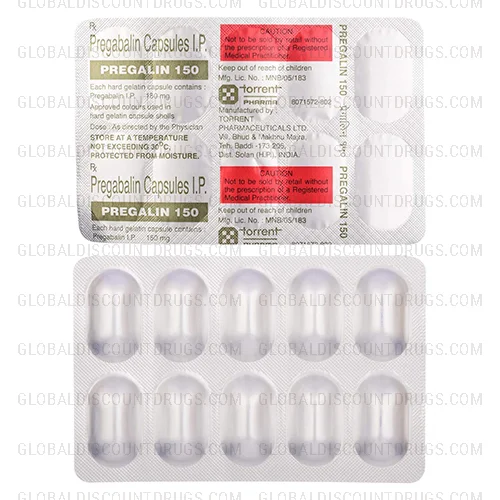
Pregabalin 150mg
In StockPregabalin 150 mg Capsule is a prescription calcium-channel alpha-2-delta ligand used for selected neuropathic pain conditions and as adjunctive treatment for certain seizures. Do not stop treatment suddenly without medical guidance.
| Active Ingredient: | Pregabalin |
|---|---|
| Indication: | Neuropathic Pain |
| Strength: | 150mg |
| Dosage Form: | Capsules |
| Manufacturer: | Torrent Pharmaceuticals Ltd |

Pregabalin 150mg – Quick Overview
Pregabalin 150mg is a prescription medication used to treat nerve pain (neuropathic pain), fibromyalgia, and as add-on therapy for partial-onset seizures. It works by calming overactive nerve signals in the brain and spinal cord. Pregabalin is a controlled substance and should be used only as prescribed by a licensed healthcare provider.
Medical Supervision & Regulatory Status
Pregabalin is a prescription-only medication in the United States and is classified as a Schedule V controlled substance due to its potential for misuse. It is not available over the counter. Medical supervision is required for dosing, monitoring for side effects, and safe discontinuation, since stopping abruptly can cause withdrawal symptoms.
Clinical Context
Pregabalin treats conditions involving nerve-related pain and abnormal nerve signaling, including diabetic nerve pain, pain after shingles (postherpetic neuralgia), spinal cord injury pain, fibromyalgia, and partial-onset seizures.
These conditions often involve chronic, difficult-to-treat pain or seizure activity that doesn’t respond well to standard pain relievers, making a nerve-targeted medication clinically important for symptom control.
Pregabalin is frequently used when first-line treatments haven’t provided adequate relief, offering an additional option that works through a different mechanism than typical pain medications.
How Pregabalin Works
Pregabalin belongs to the gabapentinoid class of medications. It binds to a specific site on nerve cells (the alpha-2-delta subunit of calcium channels) involved in transmitting pain and seizure signals.
By binding to this site, pregabalin reduces the release of certain neurotransmitters involved in pain signaling and abnormal electrical activity, helping to calm overactive nerves.
This mechanism allows pregabalin to reduce chronic nerve pain and seizure frequency, offering patients meaningful symptom relief when used as directed by their doctor.
What is Pregabalin?
- Drug Class: Gabapentinoid (calcium channel modulator)
- Active Ingredient: Pregabalin
- Mechanism: Binds to alpha-2-delta subunit of calcium channels, reducing neurotransmitter release
- Form: Oral capsule (150mg)
- Dosing Frequency: Typically twice or three times daily, depending on condition
- Regulatory Status: FDA-approved, Schedule V controlled substance, prescription required (Rx only)
Uses / Indications
- Diabetic peripheral neuropathy: Reduces nerve pain associated with diabetes
- Postherpetic neuralgia: Treats persistent nerve pain following shingles
- Fibromyalgia: Helps manage widespread pain and tenderness
- Neuropathic pain from spinal cord injury: Reduces nerve-related pain following spinal injury
- Partial-onset seizures: Used as add-on therapy in patients 1 month and older
How to Use / Dosage
Pregabalin is taken orally, with or without food, generally divided into two or three doses per day as prescribed. Only your doctor can determine the correct starting dose and any adjustments, which depend on the condition being treated and your kidney function.
If you miss a dose, take it as soon as you remember unless it’s close to your next dose — do not double up. Do not stop taking pregabalin suddenly; your doctor will taper the dose gradually over at least one week to reduce the risk of withdrawal symptoms such as insomnia, nausea, headache, and anxiety.
Side Effects
Most people tolerate pregabalin reasonably well, though side effects are common and should be discussed with your doctor.
Common side effects may include dizziness, drowsiness, dry mouth, swelling in the hands or feet, blurred vision, and weight gain.
Serious side effects, while less common, can include severe allergic reactions (angioedema), significant mood changes, and muscle problems, particularly when combined with certain other medications.
Emergency Warning Signs — seek medical care immediately if you experience:
- Swelling of the face, lips, tongue, or throat
- Difficulty breathing
- New or worsening thoughts of self-harm
- Sudden vision changes
- Signs of muscle breakdown (unexplained muscle pain with weakness, dark urine)
- Severe drowsiness or confusion
Warnings & Precautions
Pregabalin is contraindicated in patients with known hypersensitivity to pregabalin or its components, and carries a warning for angioedema, which can involve life-threatening swelling of the face, mouth, or throat requiring emergency care.
Significant interactions include other central nervous system depressants such as opioids, benzodiazepines, and alcohol, which can increase sedation and the risk of serious breathing problems; caution is also advised when combining pregabalin with thiazolidinedione diabetes medications due to increased risk of fluid retention and weight gain.
Pregabalin should be used in pregnancy only if clearly needed, and enrollment in the North American Antiepileptic Drug Pregnancy Registry is available; breastfeeding is generally not recommended while taking pregabalin. Dose adjustment is required in patients with reduced kidney function, and all patients should be monitored for mood changes, particularly early in treatment.
Who Should Not Use This Medication
- Individuals allergic to pregabalin or any of its ingredients
- Individuals with a history of angioedema related to pregabalin
- Patients with significant untreated kidney impairment (without dose adjustment)
- Patients with a history of substance misuse (requires careful risk assessment by a doctor)
Storage Instructions
Store at room temperature (20°C–25°C / 68°F–77°F), away from excess heat and moisture. Keep in the original container, out of reach of children and pets, and store securely given its controlled-substance status.
Frequently Asked Questions
What is the cost of pregabalin without insurance?
Generic pregabalin is generally more affordable than brand-name Lyrica. The cost without insurance depends on the seller, brand availability, and pack size, and may also vary by location and available discounts.
How can I order pregabalin online?
A valid prescription is required to order pregabalin, and as a controlled substance, additional verification may apply. Typically, you upload your prescription or have your doctor send it to a licensed pharmacy for home delivery. Always use verified, licensed pharmacies for safety.
Is pregabalin 150mg available over the counter?
No, pregabalin is not available over the counter in the United States or most countries. It requires a prescription and is classified as a controlled substance due to its potential for misuse.
Does pregabalin require a prescription?
Yes, pregabalin requires a prescription. Medical evaluation and monitoring help ensure safe use, correct dosing, and awareness of its controlled-substance status.
How long does it take for pregabalin to work?
Some patients notice pain relief within the first week, though full benefit for conditions like fibromyalgia or nerve pain may take several weeks of consistent use at an effective dose.
Can I stop taking pregabalin once I feel better?
No — stopping suddenly can cause withdrawal symptoms like insomnia, nausea, and anxiety. Your doctor will guide a gradual taper over at least one week if discontinuation is appropriate.
Does pregabalin interact with other medications?
Yes, especially other sedating medications like opioids, benzodiazepines, and alcohol, which can increase drowsiness and breathing risks. Always share your full medication list with your doctor or pharmacist.
References
- DailyMed – LYRICA (Pregabalin) Capsule Label (NIH/NLM)
- MedlinePlus – Pregabalin Drug Information
- FDA – LYRICA Full Prescribing Information
Resources
Medical Disclaimer:
This content is for informational purposes only and does not constitute medical advice, diagnosis, or treatment. Consult a qualified specialist or physician before using Pregabalin.
Prescription Required (Rx) to Buy?
This medication is not available over the counter. A valid prescription from a licensed healthcare
professional is required. Always consult your doctor before use.
| Quantity | 100, 150, 200, 50 |
|---|---|
| Indication | Neuropathic Pain |
| Active Ingredient | Pregabalin |
| Pharmaceutical Form | Capsules |
| Manufacturer | Torrent Pharmaceuticals Ltd |
| Indian Brand | Pregalin 150 |
| US Brand Name | Lyrica |
| Generic Name | Pregabalin |
| Dosage | 150mg |
| Drug Type | Capsules |
What is pregabalin 150 mg used for
What does pregabalin 150 mg look like
Is pregabalin 150 mg a narcotic
How to take pregabalin 150 mg
How long does pregabalin take to work?