
No products in the cart.
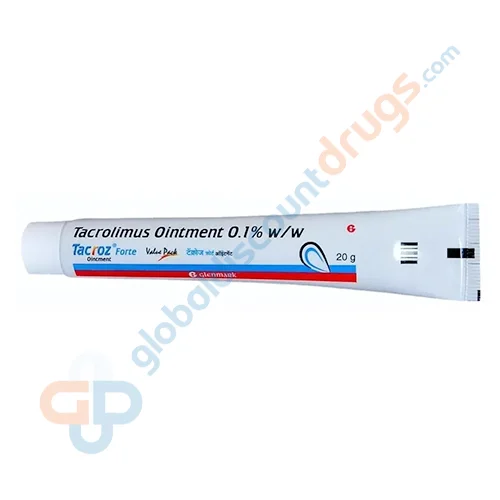
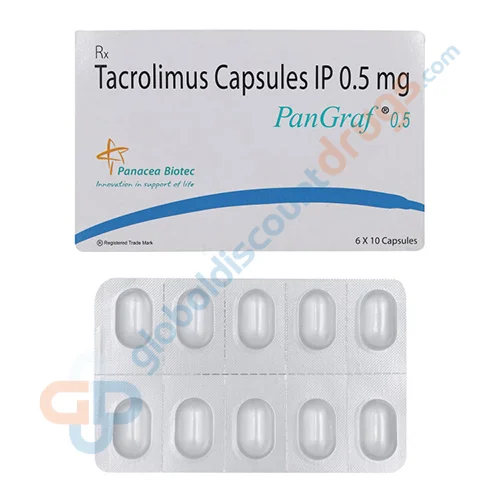
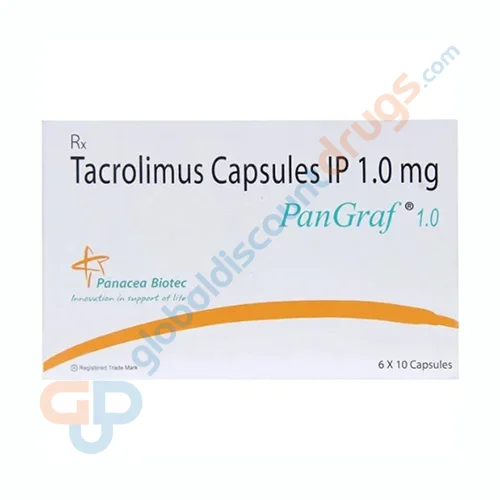
Tacrolimus
In StockTacrolimus is a highly potent calcineurin inhibitor and powerful immunosuppressant agent essential for preventing organ transplant rejection. It works by potently inhibiting T lymphocyte activation by blocking the transcription of IL−2 and other cytokines. This API is central to transplant medicine, ensuring long-term graft survival. As a topical, it treats severe eczema by locally suppressing skin inflammation. Tacrolimus is a critical, specialized drug.
$1.38 per pill
What is Tacrolimus?
Tacrolimus is a prescription immunosuppressant medicine commonly used to prevent organ rejection after transplants. It works by reducing the activity of the immune system, helping the body accept a new organ, such as a kidney, liver, or heart. Tacrolimus is available in oral tablets, capsules, and topical formulations, making it versatile for systemic or localized treatment.
Tacrolimus used for
-
Prevent organ rejection after kidney, liver, or heart transplants
-
Treat autoimmune skin conditions such as eczema or atopic dermatitis (topical use)
-
Manage immune system overactivity in specific inflammatory conditions
Doctors prescribe Tacrolimus when strong immune suppression is necessary to avoid organ rejection or control severe autoimmune reactions.
Chemical composition
The active ingredient in Tacrolimus medication is Tacrolimus, a macrolide lactone immunosuppressant. Topical creams contain lower concentrations, while oral tablets and capsules provide higher systemic doses. Inactive ingredients are added for stability, absorption, and ease of administration.
Tacrolimus Mechanism
Tacrolimus works by inhibiting calcineurin, an enzyme that activates T-cells in the immune system. By suppressing T-cell activity:
-
The body’s immune response is reduced
-
The risk of organ rejection after transplantation decreases
-
Inflammation and immune-mediated tissue damage are minimized
This mechanism ensures both effective immunosuppression and targeted therapeutic benefits.
How does Tacrolimus help with recovery?
For transplant patients, Tacrolimus prevents the immune system from attacking the new organ, which significantly increases transplant success rates. In dermatology, topical Tacrolimus reduces skin inflammation, redness, and itching, allowing the skin to heal and maintain a healthy barrier.
What are the other benefits?
-
Improves transplant survival and long-term organ function
-
Helps manage chronic autoimmune or inflammatory skin conditions
-
Available in multiple forms to suit patient needs
-
Minimizes the need for high-dose corticosteroids in some conditions
-
Provides targeted therapy with manageable side effects under supervision
Dosages
Available strengths or dosage
-
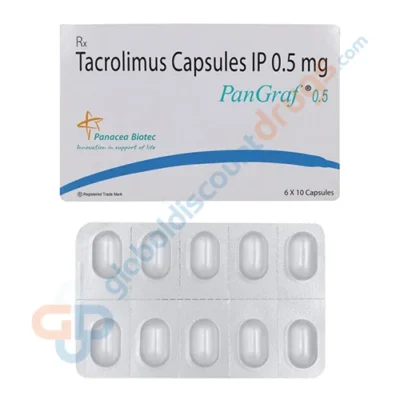
Oral tablets/capsules: 0.5 mg, 1 mg, 5 mg
-
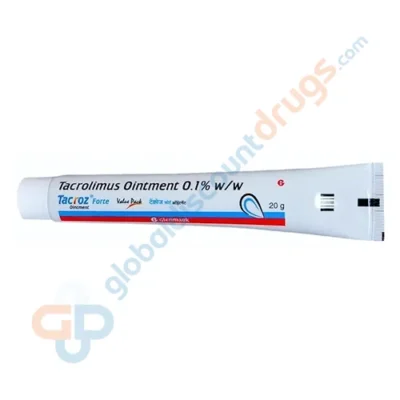
Topical ointment/cream: 0.03%, 0.1%
Oral tablets/capsules: 0.5 mg, 1 mg, 5 mg
Topical ointment/cream: 0.03%, 0.1%
Dosage depends on the type of transplant, patient age, weight, and kidney or liver function. Topical doses vary based on affected skin area and severity of condition.
How and when to take it
-
Oral Tacrolimus should be taken on an empty stomach with water, usually twice daily
-
Topical Tacrolimus should be applied to affected areas as directed, avoiding eyes and mucous membranes
-
Maintain consistent dosing to ensure stable blood levels and effectiveness
-
Avoid skipping doses or abrupt discontinuation
Overdose caution
Overdose may cause:
-
Severe tremors or shaking
-
Kidney or liver function changes
-
High blood pressure or irregular heartbeat
-
Nausea or vomiting
Seek immediate medical attention if an overdose is suspected.
Who can use/take Tacrolimus?
-
Adults and children after organ transplantation, under strict supervision
-
Patients with chronic autoimmune skin conditions (topical use)
-
Tacrolimus is generally not recommended for patients with uncontrolled infections or severe liver/kidney impairment
-
Pregnant or breastfeeding women should use it only if clearly needed and prescribed
Side Effects & Precautions
What are the side effects?
Adults and children after organ transplantation, under strict supervision
Patients with chronic autoimmune skin conditions (topical use)
Tacrolimus is generally not recommended for patients with uncontrolled infections or severe liver/kidney impairment
Pregnant or breastfeeding women should use it only if clearly needed and prescribed
What are the side effects?
Common side effects include:
-
Tremors or shakiness
-
Headache
-
High blood pressure
-
Nausea or diarrhea
-
Skin burning or irritation (topical use)
Serious side effects (seek immediate help):
-
Kidney or liver damage
-
Increased risk of infections
-
Severe allergic reactions
-
Unusual bruising or bleeding
What are the precautions to avoid side effects?
-
Regular blood tests to monitor Tacrolimus levels
-
Maintain proper hygiene to prevent infections
-
Avoid grapefruit and grapefruit juice, which may alter drug levels
-
Inform your doctor about other medications, especially antibiotics or antifungals
-
Follow prescribed dosing strictly to prevent rejection or flare-ups
Always consult your doctor before starting a dose. If prescribed, you can order Tacrolimus tablets, capsules, or topical ointment online safely from trusted pharmacy sources and ensure timely doses to protect organ health and manage immune conditions effectively.
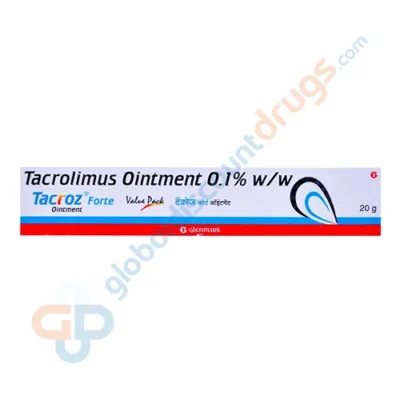
$42.12 – $51.48 per pill
$1.38 – $1.68 per pill


$3.35 – $4.10 per pill


$24.91 – $30.44 per pill


