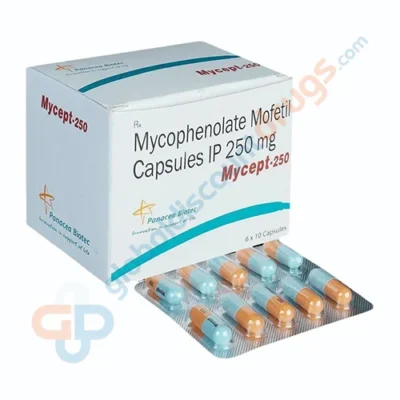


Mycophenolate Mofetil 500mg
In StockMycophenolate Mofetil 500 mg Tablet is a prescription antimetabolite immunosuppressant used with other medicines to prevent organ-transplant rejection. Pregnancy prevention and regular blood tests are important during treatment.
| Active Ingredient: | Mycophenolate Mofetil |
|---|---|
| Indication: | Organ Transplant Rejection Prevention |
| Strength: | 500mg |
| Dosage Form: | Capsules |
| Manufacturer: | Roche |

Quick Overview
Mycophenolate Mofetil 500 mg is an immunosuppressant tablet used with other medicines to help prevent rejection of a transplanted kidney, heart, or liver. It works by slowing the multiplication of immune cells called lymphocytes. It is available only by prescription, and it requires medical supervision, including blood count monitoring and strict pregnancy prevention measures.
Medical Supervision and Regulatory Status
Mycophenolate Mofetil 500 mg is a prescription-only drug in the United States, approved by the FDA, and it is not a controlled substance.
Supervision is needed because the boxed warning covers pregnancy loss, birth defects, lymphoma, skin cancer, and serious infections, and because blood counts must be checked regularly. Prescribers and pharmacies also take part in the Mycophenolate Risk Evaluation and Mitigation Strategy (REMS), which focuses on preventing pregnancy exposure.
Clinical Context
Mycophenolate Mofetil 500 mg is used in people who have received a kidney, heart, or liver transplant, where the immune system may attack the new organ. That attack is called rejection, and it can cause the organ to stop working.
Rejection prevention generally lasts as long as the organ stays in place, because the risk does not disappear after the first months. Taking doses on schedule keeps drug levels steady, and gaps in treatment are a recognized trigger for rejection.
Mycophenolate is an antimetabolite that is added to a calcineurin inhibitor (tacrolimus or cyclosporine) and usually a corticosteroid. In kidney transplant, guidelines generally favor it over azathioprine as the add-on antiproliferative agent.
How Mycophenolate Mofetil 500 mg Works
Mycophenolate belongs to the antimetabolite immunosuppressant class and works by blocking an enzyme that lymphocytes need to make the building blocks of DNA, which slows their multiplication.
After a dose, the body converts mycophenolate mofetil into its active form, mycophenolic acid (MPA). MPA blocks inosine monophosphate dehydrogenase (IMPDH), an enzyme in the pathway that makes guanine. T-cells and B-cells depend on this pathway more than most other cells, so they are affected first.
The result is fewer activated lymphocytes attacking the transplant, which lowers the risk of rejection but does not remove it. Cells in the gut lining and bone marrow also divide quickly, which helps explain why diarrhea, nausea, and low blood counts are among the common effects.
What Is Mycophenolate Mofetil 500 mg?
Mycophenolate Mofetil 500 mg is an oral film-coated tablet containing the active ingredient mycophenolate mofetil, an antimetabolite immunosuppressant dispensed only on prescription in the United States.
- Drug Class: Antimetabolite immunosuppressant (anti-rejection medicine)
- Active Ingredient: Mycophenolate mofetil (converted in the body to mycophenolic acid)
- Mechanism: Blocks IMPDH, which slows the multiplication of T-cells and B-cells that drive organ rejection.
- Available Forms and Strengths: Tablets of 500 mg, capsules of 250 mg, oral suspension of 200 mg per mL, and an intravenous form (this page covers the 500 mg tablet)
- Dosing Frequency: Twice daily, about 12 hours apart
- Regulatory Status: Prescription only (Rx), FDA-approved, not a controlled substance, generic available (brand name CellCept), subject to a REMS program
Approved Uses
The FDA has approved mycophenolate mofetil to help prevent organ rejection in people who receive a kidney, heart, or liver transplant, used together with a calcineurin inhibitor and corticosteroids.
- Kidney transplant: Used in adults and in children to lower the chance that the body rejects the new kidney.
- Heart transplant: Used in adults to help protect the transplanted heart from rejection.
- Liver transplant: Used in adults to help protect the transplanted liver from rejection.
How to Use and Dosage
Your prescriber sets the dose based on the type of transplant, body size, kidney function, and blood counts, so the amount differs from person to person.
Timing and food. Tablets are taken twice a day, about 12 hours apart, and swallowed whole with water. Do not crush or split them. The label prefers an empty stomach (at least 1 hour before or 2 hours after a meal), though some stable kidney transplant patients may take it with food if the prescriber agrees. Keep the pattern the same every day, and take antacids that contain magnesium or aluminum at a different time from the tablets.
Missed dose. Take it as soon as you remember. If the next dose is almost due, skip the missed one and go back to the usual schedule. Never take two doses together. Call the transplant team or pharmacist if you miss more than one dose.
Stopping the medicine. Mycophenolate protects the organ only while it is being taken, so stopping can allow rejection and damage the transplant. Do not stop, lower the dose, or change brands unless the prescriber directs it.
Side Effects
Side effects of mycophenolate vary by person and dose, and many, especially stomach and blood count changes, can be managed with dose adjustments by the prescriber.
Boxed warning: Mycophenolate can cause pregnancy loss in the first trimester and congenital malformations (birth defects), so females who can become pregnant must use contraception and have pregnancy testing as the label directs. It also raises the risk of lymphoma and other cancers, particularly of the skin, and of serious infections that can be fatal. Only clinicians experienced in immunosuppressive therapy and transplant care should prescribe it.
Common effects. Diarrhea, nausea, vomiting, abdominal pain, constipation, headache, high blood pressure (hypertension), swelling of the legs, tremor, trouble sleeping, and urinary tract infection are among the effects reported most often in labeled studies. Blood tests may also show a low white blood cell count (leukopenia) or anemia.
Serious effects. These include severe neutropenia (a very low count of infection-fighting white cells), pure red cell aplasia (a halt in red blood cell production), and stomach or bowel bleeding, ulcers, or perforation. Serious infections such as cytomegalovirus (CMV), BK virus kidney infection, progressive multifocal leukoencephalopathy (PML, a rare brain infection), and reactivation of hepatitis B or C have been reported, along with lymphoma and skin cancer. Low antibody levels (hypogammaglobulinemia) and lung damage called bronchiectasis have also been described.
Emergency Warning Signs
- Fever, chills, a sore throat, or other signs of infection
- Black, tarry, or bloody stools, or vomiting blood or material that looks like coffee grounds
- Unusual bruising or bleeding, extreme tiredness, or pale skin
- Sudden weakness, confusion, trouble speaking, or vision changes
- Severe, lasting diarrhea with dizziness or very little urine
- Swelling of the lips, tongue, or throat, hives, or trouble breathing
- A missed period or a positive pregnancy test
Call 911 or go to the nearest emergency department for sudden weakness, confusion, trouble speaking, vomiting blood, or trouble breathing. For the other signs, contact the transplant team the same day, and call the prescriber right away about a missed period or positive pregnancy test.
Warnings and Precautions
Mycophenolate must not be used by anyone allergic to it, and it requires strict pregnancy prevention plus regular monitoring of blood counts, kidney function, and signs of infection.
Allergy to mycophenolate mofetil, mycophenolic acid, or any component of the product is the contraindication on the US label. People with the rare inherited enzyme deficiencies hypoxanthine-guanine phosphoribosyl-transferase (HGPRT) deficiency, such as Lesch-Nyhan and Kelley-Seegmiller syndromes, should avoid it. Live vaccines should be avoided during treatment, and other vaccines may work less well. Because the drug raises skin cancer risk, limit sun and tanning bed exposure and use sunscreen and protective clothing. Do not donate blood during treatment or for 6 weeks after the last dose. Alcohol is not named as a labeled interaction, but it can irritate the stomach, so ask the prescriber what is acceptable.
Pregnancy rules are strict. Females who can become pregnant need a negative pregnancy test before starting and another 8 to 10 days later, and should use acceptable contraception during treatment and for 6 weeks after stopping. Mycophenolate may lower the effect of birth control pills, so an additional barrier method is recommended. Male patients and their partners should use condoms during treatment and for 90 days after the last dose, and should not donate sperm during that time. Anyone who becomes pregnant should call the prescriber right away. Breastfeeding is not recommended during treatment and for a period afterward, as the prescriber advises.
Many interactions change mycophenolate levels. Acyclovir, valacyclovir, and ganciclovir can raise levels of both drugs, especially when kidney function is reduced. Antacids containing magnesium or aluminum hydroxide, proton pump inhibitors such as pantoprazole and lansoprazole, cholestyramine, colesevelam, sevelamer and other calcium-free phosphate binders, and rifampin can lower mycophenolic acid exposure. Ciprofloxacin, amoxicillin-clavulanate, and the combination of norfloxacin with metronidazole can also lower levels. Azathioprine should not be taken together with it, and cyclosporine tends to lower mycophenolic acid levels more than tacrolimus does.
Older adults have a higher risk of infection, stomach bleeding, and fluid in the lungs. Children are dosed by body surface area and followed by a pediatric transplant team. People with severe chronic kidney impairment may need dose limits and closer monitoring, and anyone with active stomach or bowel disease such as an ulcer needs careful review. Expect regular tests, including complete blood counts (often weekly at first), kidney function, and periodic skin examinations.
Who Should Not Use This Medication
The only contraindication on the label for mycophenolate mofetil is an allergy to mycophenolate, mycophenolic acid, or any component, but other situations call for a prescriber’s decision before use.
- Anyone with a known allergy to mycophenolate mofetil, mycophenolic acid, or any ingredient listed in the Medication Guide
- Anyone who is pregnant, unless the prescriber has determined there is no suitable alternative
- Females who can become pregnant and are unwilling or unable to follow the pregnancy testing and contraception requirements
- People with HGPRT deficiency, such as Lesch-Nyhan or Kelley-Seegmiller syndrome
- Anyone with an active serious infection or active stomach or bowel ulcer
- Anyone who is due to receive a live vaccine
Storage Instructions
Store Mycophenolate Mofetil 500 mg tablets at room temperature, between 68 and 77 degrees Fahrenheit, in the original container, away from moisture, heat, and direct light.
Keep the tablets where children and pets cannot reach them, ideally in a locked cabinet. If someone swallows tablets by accident, call Poison Control at 1-800-222-1222 or emergency services right away. Because the drug can harm an unborn baby, pregnant people should not handle crushed or broken tablets. For disposal, use a drug take-back program or a pharmacy kiosk. If none is available, follow FDA household disposal steps: mix the tablets with used coffee grounds or cat litter, seal them in a bag, and place the bag in the trash.
Frequently Asked Questions
What is the cost of Mycophenolate Mofetil 500 mg without insurance?
The cost without insurance depends on the seller, brand availability, and pack size. Location and available discounts can also change what a pharmacy charges. Generics are generally more affordable when one exists, and generic mycophenolate mofetil tablets are sold in the US. Ask a licensed pharmacy for a quote before ordering, since prices can differ between sellers.
How can I order Mycophenolate Mofetil 500 mg online?
You can order Mycophenolate Mofetil 500 mg online only with a valid prescription from your transplant team or another prescriber. Upload the prescription or ask the prescriber to send it, choose a licensed US pharmacy, and receive the tablets by home delivery. Before paying, confirm the pharmacy holds a state license and has a pharmacist available to answer questions.
Is Mycophenolate Mofetil 500 mg available over the counter?
No, Mycophenolate Mofetil 500 mg is not sold over the counter in the United States. Rules differ by country, but US law classifies it as a prescription drug because it needs medical supervision, blood count testing, and pregnancy prevention counseling. Products sold without a prescription that claim to contain mycophenolate should be avoided.
Does Mycophenolate Mofetil 500 mg require a prescription?
Yes, a prescription is required to obtain Mycophenolate Mofetil 500 mg from a US pharmacy. A clinician must first confirm the transplant type, review pregnancy status and contraception for those who can become pregnant, and check blood counts. Follow-up testing and dose adjustments are why a prescriber must stay involved throughout treatment.
How long does Mycophenolate Mofetil 500 mg take to work?
Mycophenolate begins lowering lymphocyte activity within hours of a dose, but the transplant team judges whether it is working through follow-up visits and tests over time, and the timeline varies by person. Blood counts, kidney function, and symptoms guide any dose change. Treatment is intended to continue for as long as the transplanted organ is in place.
Is it safe to stop taking Mycophenolate Mofetil 500 mg suddenly?
No, stopping Mycophenolate Mofetil 500 mg suddenly is not safe, because the transplanted organ can be rejected once immune suppression drops, sometimes with permanent damage. Side effects such as diarrhea or low blood counts are handled by changing the dose, not by stopping on your own. Call the prescriber if you cannot take doses or supply runs low.
Can Mycophenolate Mofetil 500 mg interact with other medicines?
Yes, Mycophenolate Mofetil 500 mg interacts with several medicines, so every new product should be checked with the pharmacist. Magnesium or aluminum antacids, pantoprazole, cholestyramine, sevelamer, and rifampin lower its levels, while acyclovir and ganciclovir raise levels of both drugs. It can also weaken oral contraceptives, and live vaccines should be avoided.
What should I do if I miss a dose of Mycophenolate Mofetil 500 mg?
Take the missed dose as soon as you remember, unless it is almost time for the next one, in which case skip the missed dose. Never double up to catch up. Because Mycophenolate Mofetil 500 mg is usually taken about every 12 hours, call the transplant team or pharmacist if you miss more than one dose.
References
- DailyMed (NIH): Current FDA-approved prescribing information and Medication Guide for mycophenolate mofetil tablets, including the boxed warning, dosing, and interactions.
- MedlinePlus (NIH): Plain-language patient drug information on mycophenolate, covering uses, precautions, and side effects. https://medlineplus.gov/druginfo/meds/a601081.html
- U.S. Food and Drug Administration (Drugs@FDA): Approval history and label entry for mycophenolate mofetil tablets, including REMS information.
Medical Disclaimer:
This content is for informational purposes only and does not constitute medical advice, diagnosis, or treatment. Consult a qualified specialist or physician before using Mycophenolate Mofetil 500 mg.
Prescription Required (Rx) to Buy?
This medication is not available over the counter. A valid prescription from a licensed healthcare
professional is required. Always consult your doctor before use.
| Quantity | 100, 150, 200, 50 |
|---|---|
| Indication | Organ Transplant Rejection Prevention |
| Active Ingredient | Mycophenolate Mofetil |
| Pharmaceutical Form | Capsules |
| Manufacturer | Roche |
| Indian Brand | Cellcept 500mg |
| US Brand Name | Cellcept, Mycophenolate Mofetil |
| Generic Name | Mycophenolate Mofetil |
| Dosage | 500mg |
| Drug Type | Capsules |