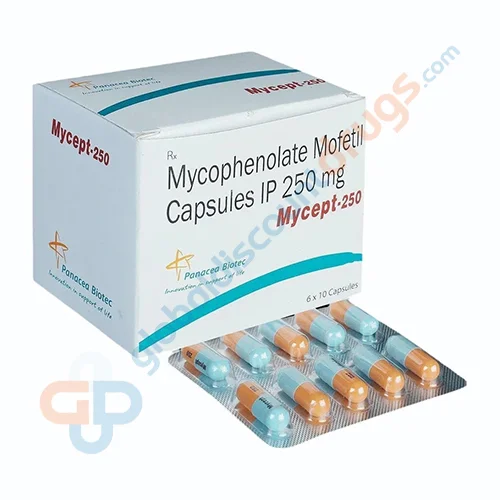

Mycophenolate Mofetil
In StockMycophenolate Mofetil (MMF) is a powerful immunosuppressive agent essential for preventing acute organ transplant rejection and treating various autoimmune diseases. It works by selectively inhibiting inosine monophosphate dehydrogenase (IMPDH), which is critical for the proliferation of B and T lymphocytes. This targeted mechanism significantly suppresses the immune response against the transplanted organ. MMF is a foundational co-therapy in modern transplant protocols.

What is Mycophenolate Mofetil?
Mycophenolate mofetil is an immunosuppressant, a type of medication that reduces the activity of the immune system. Once in the body, it is converted into its active form, mycophenolic acid, which is responsible for its effects. It belongs to a drug class that works by limiting the growth of certain immune cells.
Mycophenolate mofetil is approved and commonly prescribed for:
- Prevention of organ transplant rejection (kidney, liver, heart, and other solid organ transplants), typically used together with other immunosuppressant medications
- Certain autoimmune conditions, such as lupus nephritis, and other inflammatory or immune-related conditions, depending on specialist evaluation and regional approval
Mycophenolate mofetil is available in the following formulations:
- Oral capsules
- Oral tablets
- Oral suspension (liquid)
- Injectable solution (used in hospital settings when oral administration is not possible)
Strengths and exact product availability vary by country and manufacturer. A related product, mycophenolate sodium (delayed-release), delivers the same active substance differently and is not automatically interchangeable with mycophenolate mofetil without specialist guidance. Mycophenolate mofetil is typically prescribed and monitored closely by a specialist.
What is the Recommended Dosage of Mycophenolate Mofetil?
There is no single standard dose that applies to all patients. Dosage is highly individualized and depends on several factors, including:
- The specific condition being treated
- The patient’s age
- Body weight, particularly in pediatric patients
- Kidney function, since mycophenolate mofetil is eliminated through the kidneys and may require dose adjustment in kidney impairment
- Other immunosuppressant medications being used at the same time
- Response to treatment and tolerability, particularly regarding gastrointestinal side effects and blood cell counts
Because dosing must balance effective immune suppression against the risk of side effects, and often depends on regular laboratory monitoring, dosing must always be determined and supervised by a licensed medical specialist.
This guide does not provide specific dosing amounts. Patients and caregivers should always follow the exact instructions provided by the prescribing physician or pharmacist and should never adjust the dose without medical guidance.
How Mycophenolate Mofetil Works
Mycophenolate mofetil is converted in the body to mycophenolic acid, which blocks an enzyme needed for certain immune cells, particularly T-cells and B-cells, to multiply. Because these immune cells rely heavily on this enzyme pathway to grow, mycophenolic acid slows their proliferation more selectively than it affects many other cell types in the body. This reduces the immune system’s ability to attack a transplanted organ or drive autoimmune inflammation.
Mycophenolate mofetil manages the underlying immune activity but does not cure the need for organ rejection prevention (which is typically lifelong after transplant) or cure the autoimmune conditions it is used for. It is used as part of an ongoing treatment plan directed by a specialist, often in combination with other immunosuppressant medications.
Is a Prescription Required to Buy Mycophenolate Mofetil Online?
Yes. Mycophenolate mofetil is a prescription-only medication due to its potency and the need for close medical monitoring, including specific precautions around pregnancy.
Patients should consult a licensed medical specialist before starting mycophenolate mofetil. Depending on the reason for treatment, this may include:
- A transplant physician or transplant surgeon, along with the broader transplant care team (for organ rejection prevention)
- A nephrologist (for kidney transplant or lupus nephritis)
- A rheumatologist (for certain autoimmune conditions)
Patients should be cautious of websites offering mycophenolate mofetil without a prescription, as such products may be counterfeit or improperly manufactured. Mycophenolate mofetil should only be purchased from licensed pharmacies that require a valid prescription, and in many regions is dispensed under a specific risk management program due to its pregnancy-related warnings.
Side Effects of Mycophenolate Mofetil
Common Side Effects
These effects are generally manageable but should be discussed with a specialist, particularly if persistent:
- Diarrhea or other stomach upset
- Nausea or vomiting
- Headache
- Tremor
- Mild swelling
- Low blood cell counts detected on routine blood tests
Serious Side Effects
Mycophenolate mofetil carries a risk of more serious effects. Patients should seek immediate medical attention if they experience:
- Signs of infection (fever, chills, persistent cough or sore throat), since immune suppression increases infection risk
- Unusual bruising, bleeding, or signs of significantly low blood cell counts, such as extreme fatigue or pale skin
- Severe or persistent diarrhea or vomiting that leads to signs of dehydration
- Signs of gastrointestinal bleeding, such as black or bloody stools, or vomiting blood
- New neurological symptoms, such as confusion, difficulty speaking, or vision changes, which may indicate a rare but serious brain-related infection
- Signs of an allergic reaction, such as difficulty breathing, hives, or swelling of the face, lips, or throat
Regulatory agencies, including the FDA, have issued warnings regarding an increased risk of infections, certain cancers such as lymphoma and skin cancer, and pregnancy loss or birth defects associated with mycophenolate mofetil. This is not a complete list of possible side effects, and patients should discuss their full risk profile with their prescribing specialist.
Drug Interactions
Mycophenolate mofetil can interact with a range of other medications and supplements. Categories of potential interactions include:
- Other immunosuppressant medications, which may increase the risk of infection or other side effects when combined, though combination use is common and specialist-directed in transplant care
- Antacids containing magnesium or aluminum, which can reduce absorption if taken too close together
- Cholestyramine and similar cholesterol-binding medications, which can reduce mycophenolate absorption
- Certain antibiotics, which may reduce mycophenolate mofetil’s effectiveness
- Live vaccines, which may be less effective or pose additional risk during treatment
- Iron supplements, which may reduce absorption if taken too close together
- Herbal supplements and over-the-counter products, which should be reviewed with a specialist or pharmacist
Patients should provide their licensed medical specialist and pharmacist with a complete and current list of all prescription medications, over-the-counter drugs, vitamins, and herbal or dietary supplements before starting mycophenolate mofetil.
Safety & Important Considerations
- Boxed warning – pregnancy risk: Mycophenolate mofetil carries a boxed warning regarding a significantly increased risk of miscarriage and birth defects when used during pregnancy. Specialists typically require confirmation of a negative pregnancy test before starting treatment in patients who can become pregnant, along with the use of effective contraception during treatment and for a period after stopping, as directed by the specialist.
- Boxed warning – infections and malignancy: Mycophenolate mofetil also carries a boxed warning regarding increased risk of infections and certain cancers, including lymphoma and skin cancer, due to the degree of immune suppression.
- Kidney function: Patients with significant kidney impairment may require dose adjustment and closer monitoring.
- Breastfeeding: Mycophenolate mofetil is generally not recommended during breastfeeding due to potential risk to the infant; patients should discuss feeding plans with their specialist.
- Children and elderly patients: Mycophenolate mofetil is used in pediatric transplant patients under close specialist supervision, with dosing based on body size. Elderly patients may be at increased risk for certain side effects, including infections and gastrointestinal effects.
- Blood count monitoring: Regular blood tests are typically required, particularly during the early months of treatment, to monitor for low blood cell counts.
- Gastrointestinal effects: Diarrhea and other digestive symptoms are common and can sometimes be managed with dose adjustment; patients should discuss persistent symptoms with their specialist rather than stopping the medication on their own.
- FDA and regulatory guidance: Given the boxed warnings associated with mycophenolate mofetil, particularly regarding pregnancy risk, a specialist can provide the most current safety information and guidance relevant to an individual’s treatment plan.
Who This Medication Is For
Mycophenolate mofetil is generally prescribed for patients who have received a solid organ transplant and need ongoing immune suppression to prevent organ rejection, as well as for patients with certain autoimmune conditions, such as lupus nephritis, who require immune-modulating therapy, based on a licensed specialist’s evaluation and diagnosis.
Who Should Not Take Mycophenolate Mofetil
Mycophenolate mofetil may not be appropriate for everyone. It may be contraindicated or require extra caution in patients who have:
- A known allergy to mycophenolate mofetil or mycophenolic acid
- Pregnancy, or the intention to become pregnant without first discussing appropriate precautions with a specialist
- A rare hereditary enzyme deficiency (HGPRT deficiency, such as in Lesch-Nyhan or Kelley-Seegmiller syndrome)
- Active, untreated serious infections
- Significant, unmonitored low blood cell counts
- A history of certain cancers, which requires specialist discussion
This list is not exhaustive. A full medical history review by a licensed specialist is necessary before starting treatment to determine whether mycophenolate mofetil is appropriate for an individual patient.
What to Do If You Miss a Dose
If a dose of mycophenolate mofetil is missed, patients should take it as soon as they remember, unless it is close to the time of the next scheduled dose. In that case, the missed dose should be skipped, and the regular dosing schedule should resume. Doses should never be doubled to make up for a missed one.
Because precise, consistent dosing is especially important for transplant patients, missed doses should be reported to the transplant care team, who may want to adjust monitoring or provide specific instructions.
Related medications to Mycophenolate Mofetil
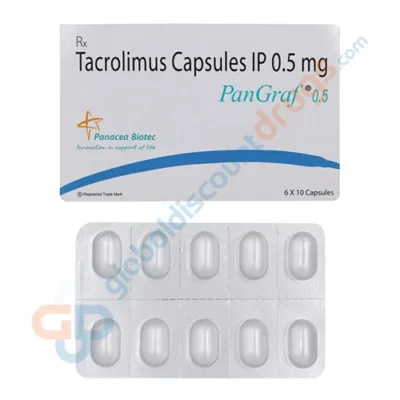
Mycophenolate Mofetil is an immunosuppressant used as part of organ-transplant treatment regimens. Related medicine pages include Tacrolimus, Cyclosporine, and Azathioprine. These medicines have different mechanisms, monitoring requirements, interaction profiles, and transplant-specific uses. Tacrolimus labeling specifically describes use with mycophenolate in certain transplant regimens.
Storage Instructions
- Store mycophenolate mofetil at room temperature, generally between 68°F and 77°F (20°C to 25°C), unless the product label specifies otherwise.
- Protect the medication from excessive heat, moisture, and direct light.
- Keep capsules, tablets, or oral suspension in their original, tightly closed container.
- Injectable forms may have specific storage requirements and are typically handled in a clinical setting.
- Capsules and tablets should not be opened, crushed, or chewed; caregivers preparing the oral suspension should follow specific handling precautions as advised by the pharmacy.
- Store out of reach of children and pets.
- Dispose of expired or unused medication according to local guidelines or take-back programs rather than discarding it in household trash or flushing it, unless specifically instructed to do so.
Disclaimer:
This page is for educational purposes only. It is not a substitute for professional medical advice, diagnosis, or treatment. Patients must consult a licensed medical specialist appropriate to their condition before starting, changing, or stopping treatment with mycophenolate mofetil. Treatment decisions must be based on a full clinical evaluation by a qualified specialist.
Prescription Required (Rx) to Buy?
This medication is not available over the counter. A valid prescription from a licensed healthcare
professional is required. Always consult your doctor before use.