
No products in the cart.
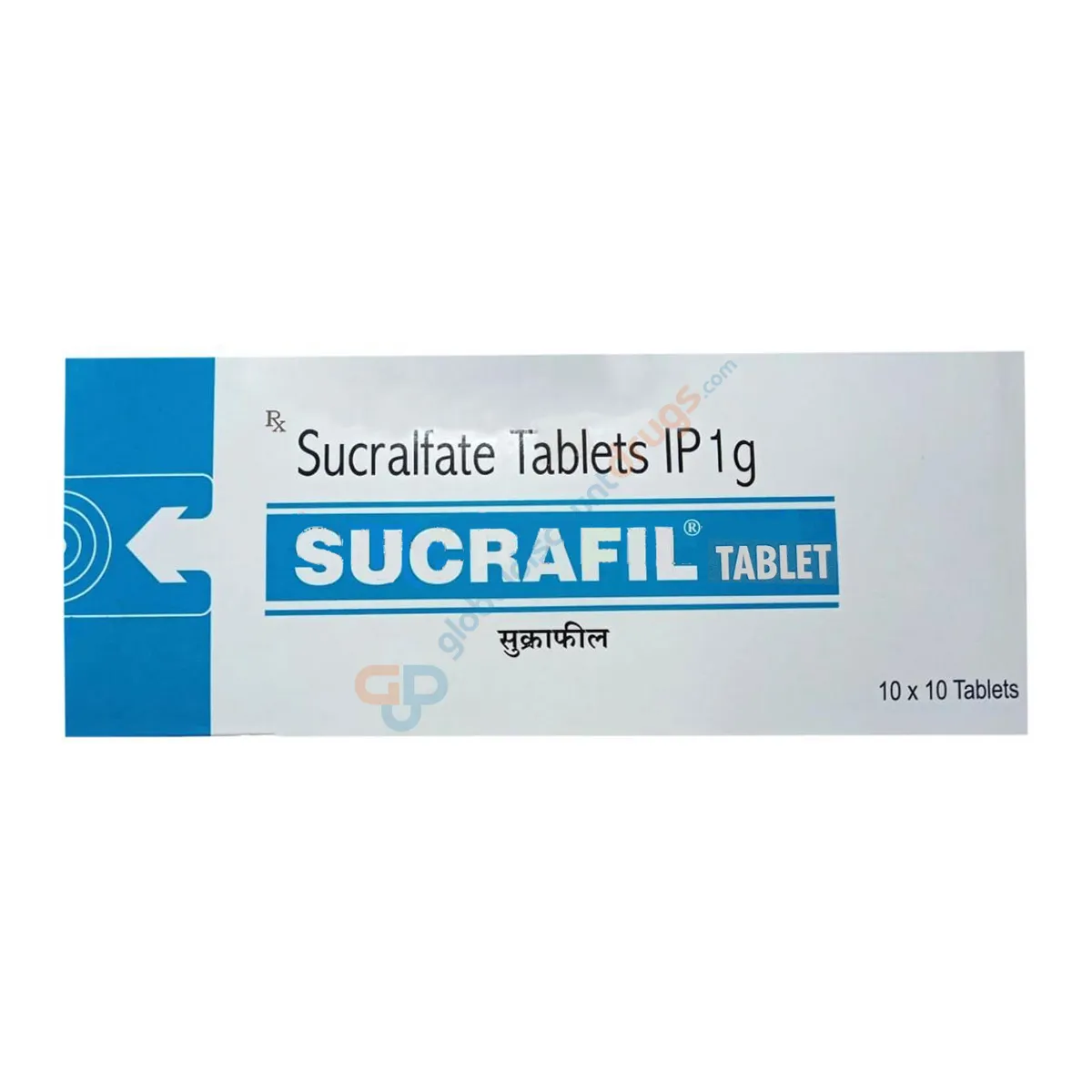
Sucralfate
In StockSucralfate is a unique gastrointestinal protective agent used to treat and prevent peptic ulcers and stress ulcers. It works locally by binding to proteins at the ulcer base, forming a protective barrier that shields the ulcer from acid, pepsin, and bile. This API is effective for promoting healing without altering gastric acid secretion. Sucralfate provides reliable, localized protection for damaged mucosal lining.
$0.60 per pill
What is Sucralfate?
Sucralfate is a prescription medicine widely used to treat and prevent ulcers in the stomach and intestines. It forms a protective barrier over damaged tissue, helping it heal naturally while reducing irritation from stomach acid. Sucralfate tablets and suspension are trusted options recommended by healthcare providers around the world, especially for patients dealing with acid-related digestive issues.
Sucralfate used for
-
Treat active stomach ulcers
-
Manage duodenal ulcers
-
Protect the stomach lining from irritation
-
Reduce discomfort caused by acid-related inflammation
-
Support healing in patients with chronic gastritis or esophagitis
Doctors often prescribe it when symptoms like pain, burning, or gastric discomfort persist despite lifestyle changes.
Chemical composition
The active ingredient in this medicine is Sucralfate, a complex of aluminum hydroxide and sulfated sucrose. This compound forms a sticky, gel-like protective coating when it comes in contact with stomach acid. The formulation may also include inactive excipients to support stability and absorption.
Sucralfate mechanism
Sucralfate works by binding to ulcer sites and forming a strong protective layer over the damaged surface. This coating shields the affected area from stomach acid, enzymes, and bile salts. Unlike acid-suppressing medicines, Sucralfate does not reduce stomach acid directly. Instead, it acts locally to create a healing environment, allowing the tissue to repair faster.
How does Sucralfate help with digestive healing?
By creating a barrier on injured stomach or intestinal lining, Sucralfate reduces irritation and allows the tissue to recover. It also promotes local healing by increasing mucus production and improving blood flow. Patients often experience relief from burning pain, acidic discomfort, and indigestion as the ulcer gradually heals.
What are the other benefits?
In addition to treating ulcers, Sucralfate may offer:
-
Protection for patients who take long-term NSAIDs
-
Reduced inflammation in acid reflux–related irritation
-
Support in healing after stomach or intestinal surgeries
-
Gentle action, making it suitable for sensitive digestive systems
-
Less risk of systemic side effects because it works locally
Dosages
Available strengths or dosage
Sucralfate is available in various forms, commonly:
-
Tablets: 1 g
-
Oral suspension: 1 g / 10 mL
The dosage depends on the severity of the condition. For active ulcers, doctors usually recommend multiple daily doses, while maintenance therapy may require a lower daily amount.
How and when to take it
-
Sucralfate should be taken on an empty stomach, typically 1 hour before meals and at bedtime.
-
Swallow tablets with water; suspension should be shaken well before use.
-
For best healing results, follow the full treatment course even if symptoms reduce early.
-
Avoid taking antacids 30 minutes before or after Sucralfate unless advised.
Overdose caution
Symptoms of overdose may include:
-
Stomach upset
-
Constipation
-
Rarely, aluminum buildup in those with kidney issues
Seek medical help immediately if accidental large overdose occurs. Do not adjust your dose without medical supervision.
Who can use/take Sucralfate?
Sucralfate is suitable for adults and older adolescents needing protection or healing of the stomach lining.
-
Safe for both men and women with ulcer-related conditions.
-
Older adults may use it with monitoring, especially for kidney function.
-
Not recommended for children unless specifically prescribed.
-
Patients with kidney disease should use it cautiously due to aluminum content.
-
Pregnant or breastfeeding individuals should consult their doctor before use.
Side Effects & Precautions
What are the side effects?
Common side effects may include:
-
Constipation
-
Stomach discomfort
-
Dry mouth
-
Gas or bloating
-
Mild nausea
Serious but uncommon side effects include allergic reactions or aluminum accumulation in those with kidney problems.
What are the precautions to avoid side effects?
To use Sucralfate safely:
-
Drink plenty of water to reduce constipation
-
Avoid taking multiple medications at the same time—Sucralfate may affect absorption
-
Maintain a gap before or after taking antacids or acid-reducing pills
-
Inform your doctor about kidney-related conditions
-
Follow the recommended dosage schedule strictly
Always consult your doctor before starting this medicine. If prescribed, you can order Sucralfate tablets or suspension online safely from trusted pharmacy sources and ensure timely refills to support continuous digestive healing.


$1.64 – $2.00 per pill
$0.60 – $0.73 per pill


$2.62 – $3.20 per pill


$0.55 – $0.67 per pill


