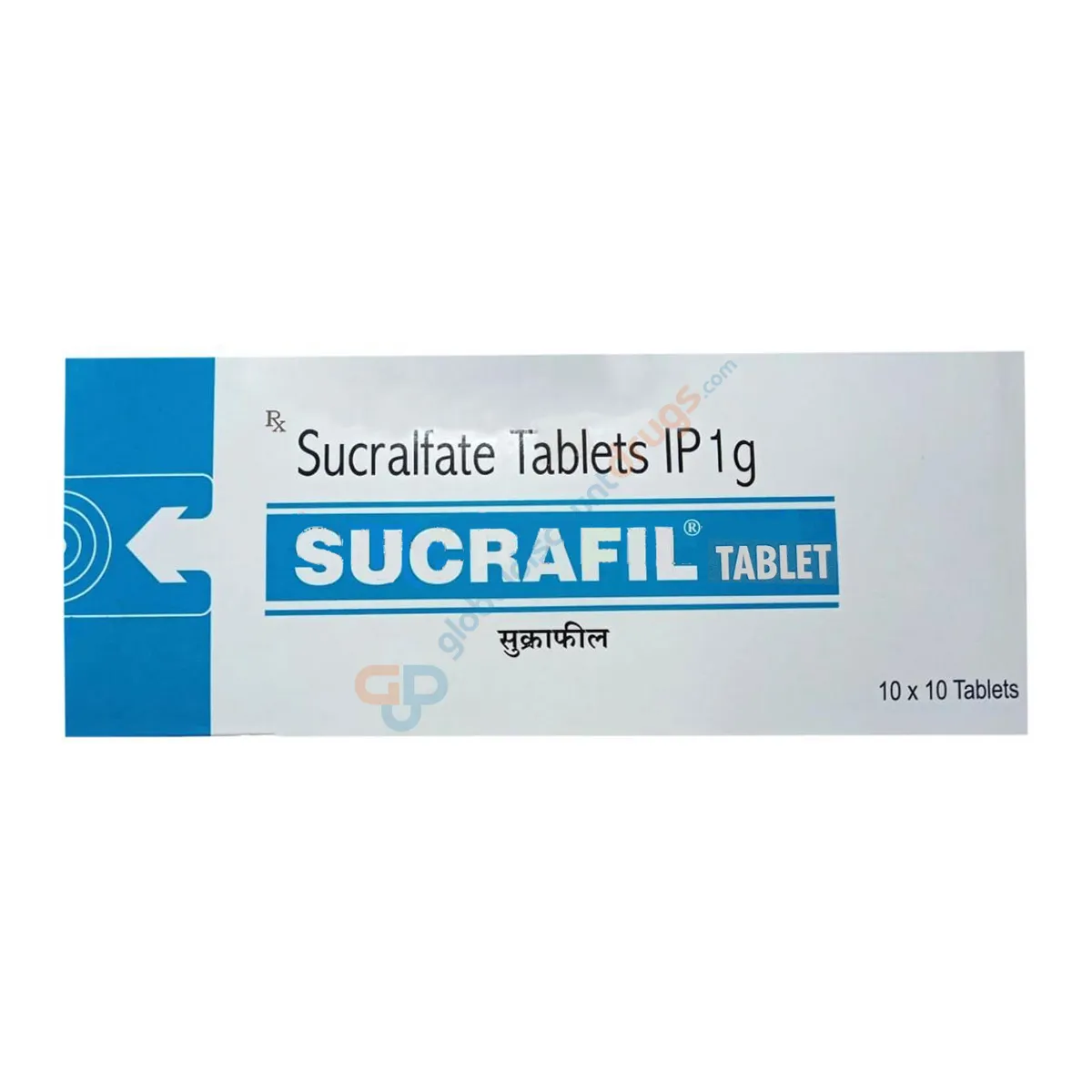
Sucralfate
In StockSucralfate is a unique gastrointestinal protective agent used to treat and prevent peptic ulcers and stress ulcers. It works locally by binding to proteins at the ulcer base, forming a protective barrier that shields the ulcer from acid, pepsin, and bile. This API is effective for promoting healing without altering gastric acid secretion. Sucralfate provides reliable, localized protection for damaged mucosal lining.

What is Sucralfate?
Sucralfate is a medication belonging to a drug class known as gastrointestinal protectants (sometimes described as a mucosal protective agent). Rather than reducing acid production directly, it works at the site of injury in the digestive tract to form a protective barrier.
Sucralfate is commonly prescribed for:
- Treatment of active duodenal ulcers
- Maintenance therapy to help reduce the recurrence of duodenal ulcers after healing
- Other conditions involving irritation or ulceration of the stomach or esophagus lining, as determined by a specialist
Available formulations may include:
- Oral tablets(Sucralfate 1gm)
- Oral liquid suspension
Availability of specific strengths and forms may vary by region and manufacturer.
What is the Recommended Dosage of Sucralfate?
Dosage varies based on several individual factors, including:
- The condition being treated – active ulcer treatment may involve a different schedule than long-term maintenance therapy
- Age – dosing considerations can differ between adults, older adults, and, in some cases, children
- Body weight – may be considered in certain patient populations
- Kidney function – patients with reduced kidney function may need closer monitoring due to how the medication’s components are processed
- Liver function – may also be considered when determining appropriate use
Available dosage forms include oral tablets and liquid suspension. This medication is generally taken on an empty stomach, and timing relative to meals and other medications is often important for its effectiveness.
Because dosing and timing need to be tailored to the individual condition, patients should always follow the exact regimen prescribed by their specialist and should not change the dose, timing, or frequency without medical guidance.
How Sucralfate Works
Sucralfate is thought to work by binding to the surface of an ulcer or damaged tissue in the stomach or intestinal lining, forming a protective, paste-like barrier over the affected area. This barrier is believed to help shield the ulcer from stomach acid, digestive enzymes, and bile, allowing the tissue underneath a better opportunity to heal.
This medication helps protect and support healing of the affected area; it does not directly neutralize or reduce stomach acid production the way some other ulcer medications do, and it does not cure the underlying condition that led to the ulcer.
Is a Prescription Required to Buy Sucralfate Online?
Yes. Sucralfate is a prescription-only medication in most regions. It should be used under the guidance of a licensed medical specialist, such as:
- A gastroenterologist
- A primary care physician who can coordinate care or a referral if needed
Patients should be cautious of websites offering this medication without a prescription, as these sources may sell counterfeit, mislabeled, or substandard products. To ensure product safety and quality, this medication should only be obtained from licensed, verified pharmacies.
Side Effects of Sucralfate
Common Side Effects
- Constipation
- Nausea
- Upset stomach
- Dry mouth
- Mild rash
Serious Side Effects
- Signs of a severe allergic reaction (swelling of the face/throat, difficulty breathing, widespread rash)
- Signs of aluminum accumulation, particularly in patients with kidney problems (confusion, muscle weakness, bone pain) — more relevant with long-term use
- Formation of a hardened mass in the stomach or intestines (bezoar), which has been reported rarely, particularly in patients with delayed stomach emptying or those who are critically ill
- Severe or persistent constipation
Patients experiencing any serious side effect, particularly signs of a severe allergic reaction, confusion, or significant changes in bowel habits, should seek immediate medical attention. Most patients tolerate this medication well, but any new or worsening symptoms should be reported to a healthcare provider promptly.
Drug Interactions
Sucralfate may interact with a number of other substances, including:
- Many other oral medications, because sucralfate can bind to them in the digestive tract and reduce their absorption; timing doses several hours apart is often recommended
- Antacids, which may reduce the effectiveness of sucralfate if taken too close together
- Blood-thinning medications (such as warfarin), which may have altered absorption when taken with sucralfate
- Certain antibiotics and thyroid medications, which may have reduced absorption if taken at the same time as sucralfate
- Over-the-counter (OTC) medications, including certain antacids and supplements, which should be reviewed with a specialist
- Herbal products and dietary supplements, some of which may be affected by sucralfate’s binding action
Patients should always give their licensed medical specialist a complete and current list of every medication, supplement, and herbal product they are taking before starting this medication, and should ask about appropriate spacing between doses.
Safety & Important Considerations
- Kidney disease: Patients with kidney impairment, particularly those on dialysis, may be at increased risk of aluminum accumulation with long-term use and should be monitored closely by their specialist.
- Liver disease: May be considered when determining appropriate use, though sucralfate’s effects are largely local to the digestive tract.
- Pregnancy and breastfeeding: Use during pregnancy or breastfeeding should only occur under specialist guidance, after weighing potential benefits and risks.
- Children and elderly patients: Use in children is generally guided by specialist recommendation; older adults may need closer monitoring, particularly regarding kidney function and constipation.
- Delayed stomach emptying: Patients with conditions that slow stomach emptying, or who are critically ill, may have a higher risk of bezoar formation and should be monitored accordingly.
- Diabetes: Some liquid formulations may contain sugar; patients with diabetes should check with their pharmacist about the specific formulation being used.
- Regulatory safety notices: Patients should ask their pharmacist or specialist about any current safety communications relevant to their specific product and formulation.
This information does not cover every possible warning or precaution. A full medical history review by a qualified specialist is essential before starting treatment.
Who This Medication Is For
This medication is generally intended for patients who have been diagnosed with a duodenal ulcer or related digestive tract irritation, where a specialist has determined that a protective, barrier-forming agent is an appropriate part of the treatment plan. It is used based on an individualized evaluation of the diagnosis and the patient’s overall health status.
Who Should Not Take Sucralfate
This medication may not be appropriate for individuals with:
- A known allergy to sucralfate or any of its components
- Severe kidney impairment or those on dialysis, unless specifically evaluated and monitored by a specialist
- Conditions involving delayed stomach emptying, without specialist evaluation due to bezoar risk
- Difficulty swallowing or certain conditions affecting the digestive tract, which may require the liquid formulation instead of tablets
This is not a complete list. A licensed medical specialist must review a patient’s full health history before prescribing this medication.
What to Do If You Miss a Dose
If a dose is missed, take it as soon as it is remembered, unless it is almost time for the next scheduled dose. In that case, skip the missed dose and resume the regular dosing schedule. Do not take a double dose to make up for a missed one. If there is uncertainty about what to do, or if multiple doses have been missed, contact the prescribing specialist or pharmacist for guidance.
Related medications to Sucralfate
Sucralfate is a gastrointestinal mucosal-protective medicine with a different mechanism from acid-suppressing drugs. Related acid-peptic treatment pages include Famotidine, Omeprazole, and Pantoprazole, although these medicines work differently and should not be presented as direct substitutes.
Storage Instructions
- Store at room temperature, generally away from excessive heat, unless otherwise directed on the product label.
- Protect from moisture and direct light.
- Keep the medication in its original container with the lid tightly closed.
- If using the liquid suspension, follow any specific storage instructions on the label, including whether shaking before use is required.
- Store out of reach and sight of children and pets.
- Do not use expired medication; dispose of unused or expired product according to local guidelines or pharmacist instructions.
Disclaimer
This page is for educational purposes only. It is not a substitute for professional medical advice, diagnosis, or treatment. Patients must consult a licensed medical specialist (such as a gastroenterologist or other relevant provider depending on their condition) before starting, changing, or stopping this medication. Treatment decisions must be based on a full clinical evaluation by a qualified specialist familiar with the patient’s individual health history.
Prescription Required (Rx) to Buy?
This medication is not available over the counter. A valid prescription from a licensed healthcare
professional is required. Always consult your doctor before use.