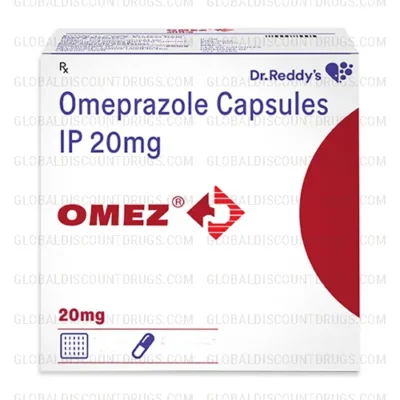
Omeprazole
In StockOmeprazole is a foundational proton pump inhibitor (PPI) used to treat gastroesophageal reflux disease (GERD), duodenal and gastric ulcers, and pathological hypersecretory conditions. It works by irreversibly blocking the H+/K+-ATPase enzyme pump in the stomach’s parietal cells, significantly reducing acid production. This API is highly effective for healing peptic ulcers and is a key component in H. pylori eradication regimens. Omeprazole provides reliable, sustained acid suppression.

What is Omeprazole?
Omeprazole is a medicine that belongs to a drug class called proton pump inhibitors (PPIs). PPIs work by reducing the amount of acid the stomach produces.
Omeprazole is commonly prescribed for conditions involving excess stomach acid, including:
- Gastroesophageal reflux disease (GERD)
- Erosive esophagitis (inflammation and damage to the lining of the esophagus caused by acid)
- Stomach and duodenal ulcers
- Zollinger-Ellison syndrome, a rare condition involving excess acid production
- As part of combination therapy to help eliminate Helicobacter pylori (H. pylori) infection, alongside antibiotics
Available formulations of omeprazole typically include:
- Delayed-release oral capsules
- Delayed-release oral tablets
- Delayed-release orally disintegrating tablets
- Delayed-release granules or powder for oral suspension
Omeprazole is available both as a prescription medicine and, in some markets, as an over-the-counter product for short-term treatment of frequent heartburn. Strengths vary by product and manufacturer, and a specific package will state the exact milligram amount it contains.
What is the Recommended Dosage of Omeprazole?
Omeprazole dosage is individualized and depends on several factors, including:
- The specific condition being treated
- The patient’s age (dosing differs for adults and children)
- Body weight, particularly in pediatric patients
- Liver function, since the liver plays a role in processing this medicine
Available dosage forms include delayed-release capsules, tablets, orally disintegrating tablets, and oral suspension granules.
Because appropriate dosing depends on the condition, duration of treatment, and individual patient factors, exact dosing should not be taken from a general guide. Dosing must always follow the instructions of the prescribing doctor or pharmacist, or the directions on OTC packaging when used for short-term self-treatment of heartburn. Omeprazole is usually taken once daily, generally before a meal, and capsules or tablets should be swallowed whole rather than crushed or chewed unless a healthcare provider has given specific instructions for an alternative method.
How Omeprazole Works
Omeprazole works by blocking an enzyme in the stomach lining known as the gastric proton pump (H+/K+-ATPase). This enzyme is responsible for the final step of acid production in the stomach’s acid-producing cells. By blocking this enzyme, omeprazole significantly reduces the amount of acid released into the stomach, which helps relieve acid-related symptoms and allows irritated or damaged tissue in the esophagus or stomach to heal.
Omeprazole manages and controls symptoms related to excess stomach acid; it does not address every possible underlying cause of these conditions, and some patients may need additional treatment or long-term management.
Is a Prescription Required to Buy Omeprazole Online?
Omeprazole is available in many countries as an over-the-counter (OTC) product for short-term treatment of frequent heartburn (generally up to 14 days), and as a prescription medicine for other conditions, higher strengths, or longer-term use. Patients should check the specific product and local regulations, and when in doubt, consult a healthcare provider before use.
For conditions beyond occasional heartburn — such as GERD, ulcers, or H. pylori treatment — patients should consult a licensed medical professional, such as:
- A gastroenterologist (digestive system specialist)
- A general physician or family doctor familiar with the patient’s full medical history
Patients should be cautious of websites offering prescription-strength omeprazole without appropriate medical oversight, as these may sell counterfeit or substandard products. Omeprazole should always be obtained from licensed pharmacies, whether in person or online.
Side Effects of Omeprazole
Common Side Effects
These are usually mild and may improve as the body adjusts to the medicine:
- Headache
- Stomach pain
- Nausea
- Diarrhea
- Gas (flatulence)
Serious Side Effects
Serious side effects are less common but require prompt medical attention. These can include:
- Kidney problems, which may cause decreased urination or blood in the urine
- Severe or watery diarrhea that does not go away, which may signal an intestinal infection
- New or worsening joint pain and a skin rash, particularly one that worsens with sun exposure, which may indicate a lupus-like reaction
- Low magnesium levels, which can cause muscle spasms, tremors, or an irregular heartbeat, especially with long-term use
- Signs of a severe allergic reaction, such as swelling of the face or throat, or difficulty breathing
- Unusual dizziness
- Bone fractures of the hip, wrist, or spine, which have been associated with long-term, high-dose use
Seek immediate medical care if any of these serious symptoms occur. This is not a complete list of possible side effects, and patients should report any unusual or persistent symptoms to their doctor.
Drug Interactions
Omeprazole can interact with other substances by changing stomach acidity or by affecting how certain drugs are broken down in the liver. Patients should inform their doctor about all medications and supplements they take, including:
- Clopidogrel, a blood-thinning medication whose effectiveness may be reduced by omeprazole
- Warfarin and other blood thinners, which may require closer monitoring
- Certain HIV medications, which may be affected by changes in stomach acidity
- Methotrexate, particularly at higher doses, since PPIs may increase its blood levels
- Diazepam and certain other medications processed by the liver
- OTC medications, including other acid reducers or antacids
- Herbal products and dietary supplements, especially those affected by changes in stomach pH, such as certain iron or calcium supplements
Always provide a complete and current list of all medications, supplements, and herbal products to the prescribing doctor or pharmacist before starting omeprazole.
Safety & Important Considerations
- Liver disease: Patients with liver impairment may need a lower dose or closer monitoring, since the liver plays a role in processing omeprazole.
- Kidney function: Omeprazole has been associated with a rare kidney condition, so any signs of decreased urination or blood in the urine should be reported promptly.
- Pregnancy and breastfeeding: Omeprazole should only be used during pregnancy or breastfeeding if a doctor determines the benefits outweigh potential risks. This decision should be made on an individual basis.
- Children and elderly patients: Omeprazole is approved for use in children above a certain age for specific conditions, with dosing based on age and weight. Elderly patients may be more sensitive to certain long-term risks, such as bone fracture or vitamin B12 deficiency.
- Long-term use considerations: Extended use (generally longer than a year) has been associated with an increased risk of bone fractures, low magnesium levels, and vitamin B12 deficiency. For this reason, doctors generally aim to use the lowest effective dose for the shortest necessary duration, and OTC use is intended only for short courses of self-treatment.
- FDA safety communications: Regulatory agencies have issued safety information regarding long-term PPI use and risks such as bone fracture, magnesium deficiency, kidney problems, and C. difficile intestinal infection. Patients on long-term therapy should discuss these risks with their doctor.
This medicine should only be used for its approved indications, as directed by a licensed prescriber or the OTC product label.
Who This Medication Is For
Omeprazole is generally prescribed for or used by individuals, including some children above a certain age, who have:
- Symptoms of GERD, such as frequent heartburn or acid regurgitation
- Diagnosed erosive esophagitis requiring healing and maintenance therapy
- Stomach or duodenal ulcers
- A confirmed H. pylori infection, as part of combination antibiotic therapy
- Zollinger-Ellison syndrome or other conditions involving excess acid production
- Occasional, frequent heartburn, for short-term OTC self-treatment in adults
The decision to prescribe omeprazole, and for how long, is based on an individual clinical evaluation by a qualified healthcare provider. For OTC use, patients should follow label instructions and consult a doctor if symptoms persist beyond the recommended course.
Who Should Not Take Omeprazole
Omeprazole may not be appropriate for individuals who:
- Have a known allergy or hypersensitivity to omeprazole or other proton pump inhibitors
- Are taking certain medications known to have significant interactions with omeprazole, such as clopidogrel or some HIV medications
- Have a history of low magnesium levels that has not been addressed
- Have osteoporosis or a history of fractures, where long-term use may warrant additional caution and monitoring
- Have difficulty swallowing, unexplained weight loss, or vomiting blood — these symptoms should be evaluated by a doctor rather than self-treated with OTC omeprazole
Patients with any of these conditions or concerns should discuss alternative treatment options with their doctor.
What to Do If You Miss a Dose
If a dose is missed:
- Take it as soon as it is remembered, unless it is almost time for the next scheduled dose.
- If it is close to the next dose, skip the missed dose and continue with the regular dosing schedule.
- Never take a double dose to make up for a missed one.
- If there is uncertainty about what to do, contact the prescribing doctor or pharmacist for guidance.
Related medications to Omeprazole
Other medications in the same or related therapeutic classes that may be considered for acid-related conditions include:
- Other proton pump inhibitors (such as esomeprazole, lansoprazole, pantoprazole, or rabeprazole)
- H2-receptor antagonists (such as famotidine), which reduce stomach acid through a different mechanism
- Antacids, for short-term relief of mild, occasional symptoms
- Lifestyle and dietary modifications, which are often recommended alongside or instead of medication for mild cases
Switching between treatments should only be done after a full discussion with a licensed medical provider, who can weigh the benefits and risks based on the individual’s health history.
Storage Instructions
- Store at room temperature, generally between 68°F and 77°F (20°C to 25°C), with brief excursions to 59–86°F (15–30°C) permitted, such as during transport.
- Keep in a cool, dry place away from direct sunlight and excess moisture.
- Keep the medicine in its original packaging until it is time to take a dose; orally disintegrating tablets should stay in the blister pack until immediately before use.
- Store out of reach and sight of children and pets to prevent accidental ingestion.
- Do not use the medicine beyond its printed expiration date, and dispose of unused or expired medicine according to local pharmacy or municipal guidelines.
Disclaimer:
This page is intended for educational purposes only and does not constitute medical advice. It is not a substitute for professional medical advice, diagnosis, or treatment. Patients and caregivers must consult a licensed physician or gastroenterologist before starting, changing, or stopping this medication. All treatment decisions should be based on a full clinical evaluation by a qualified healthcare provider who is familiar with the patient’s individual medical history.
Prescription Required (Rx) to Buy?
This medication is not available over the counter. A valid prescription from a licensed healthcare
professional is required. Always consult your doctor before use.