
No products in the cart.
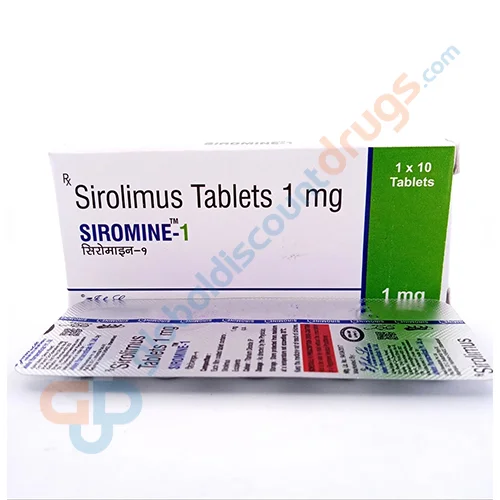
Sirolimus
In StockSirolimus (Rapamycin) is a potent immunosuppressive agent used to prevent renal transplant rejection and in specialized oncology settings. It works by inhibiting the mammalian Target of Rapamycin (mTOR) pathway, blocking the proliferation of T lymphocytes. This API provides an important alternative to calcineurin inhibitors in transplant maintenance therapy. Sirolimus is critical for long-term graft survival and offers a unique mechanism in immunology.
$7.31 per pill
What is Sirolimus?
Sirolimus is an immunosuppressant medicine primarily used to prevent organ transplant rejection and manage certain rare lung conditions. It helps control the body’s immune response so transplanted organs—such as kidneys—function well without being attacked by the immune system. Sirolimus is available in tablet and oral solution forms, offering reliable support for long-term treatment plans under medical supervision.
Sirolimus Used For
-
Prevent rejection in kidney transplant patients
-
Treat lymphangioleiomyomatosis (LAM)
-
Support immune regulation in select medical conditions
Chemical Composition
The active ingredient is Sirolimus, a macrolide compound derived from natural fermentation. Inactive excipients depend on dosage form and help maintain stability and absorption.
Sirolimus Mechanism
Sirolimus works by inhibiting mTOR (mammalian target of rapamycin), a key protein involved in immune cell activation. By slowing immune cell growth and activity, it reduces the risk of the body rejecting transplanted organs.
How It Helps Improve Health After Transplant
By controlling excessive immune responses, Sirolimus helps transplanted kidneys function smoothly, reduces inflammation, and lowers complications related to organ rejection. It also helps stabilize lung function in people with LAM by slowing abnormal cell growth.
What Are the Other Benefits?
-
Allows reduced use of other immunosuppressants
-
Helps maintain long-term graft survival
-
May support better kidney function in certain patient groups
-
Offers alternative therapy for patients intolerant to similar medicines
Dosages
Available Strengths or Dosage
Sirolimus is available in:
-
0.5 mg tablets
-
1 mg tablets
-
2 mg tablets
-
Oral solution (1 mg/mL)
Doctors choose the dosage based on blood levels, transplant type, and patient response.
How and When to Take It
-
Take Sirolimus once daily, at the same time each day
-
Can be taken with or without food, but be consistent with your choice
-
Swallow tablets whole; do not crush or chew
-
Regular blood tests are required to adjust dosage accurately
Overdose Caution
Overdose may cause severe infections, mouth sores, bleeding issues, or abnormal lab results. Seek immediate medical care if too much Sirolimus is taken.
Who Can Use/Take Sirolimus?
Sirolimus is typically prescribed for adults undergoing kidney transplants or individuals diagnosed with LAM.
It is not recommended for pregnant or breastfeeding women due to potential risks.
People with liver disease, weakened immune systems, or uncontrolled infections should use it only under strict medical supervision.
Children may receive it only if a specialist determines the treatment is appropriate.
Side Effects & Precautions
What Are the Side Effects?
Common side effects include:
-
Mouth ulcers
-
High cholesterol or triglycerides
-
Diarrhea or stomach upset
-
Swelling in hands or feet
-
Headache
-
Increased risk of infections
Serious side effects may involve delayed wound healing, lung issues, blood disorders, or kidney problems.
What Are the Precautions to Avoid Side Effects?
-
Avoid live vaccines while using Sirolimus
-
Inform your doctor about all other medicines, including antifungals and antibiotics
-
Do not consume grapefruit or grapefruit juice
-
Keep regular follow-ups for blood counts and kidney/liver function
-
Report signs of infection, unusual bleeding, or breathing difficulties promptly
Always consult your healthcare provider before starting treatment. If prescribed, you can order Sirolimus tablets online safely from trusted pharmacy sources and ensure timely refills to maintain your therapy.
$42.12 – $51.48 per pill


$8.31 per pill
$1.38 – $1.68 per pill
$2.19 – $2.68 per pill


