
No products in the cart.

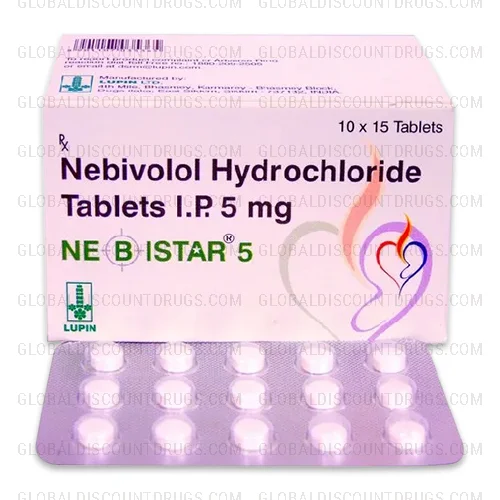
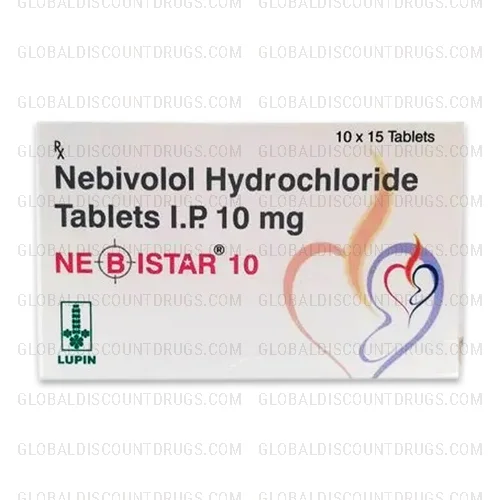
Nebivolol
In StockNebivolol is a prescription medicine used to treat high blood pressure (hypertension) and support overall cardiovascular health. It works as a beta-blocker that slows the heart rate and helps relax blood vessels, improving blood flow and reducing strain on the heart. This action supports better blood pressure control. Use as directed on the product label or by a healthcare professional.
$0.77 per pill
What is Nebivolol?
Nebivolol is a prescription medication used to treat certain cardiovascular conditions. It belongs to a group of medicines called beta-blockers, specifically a selective beta-1 adrenergic receptor blocker.
Beta-blockers affect how the heart responds to nerve signals. This helps reduce heart workload and supports blood pressure control.
Approved and Common Uses
Nebivolol may be prescribed for:
High blood pressure (hypertension)
- Heart rate control in certain cardiovascular conditions
- Heart failure management in some patients under specialist care
- Prevention of cardiovascular complications related to hypertension
Controlling blood pressure can help reduce the risk of complications such as stroke, heart attack, and kidney problems.
Available Formulations and Strengths
Nebivolol is commonly available as:
Oral tablets
Tablet strengths may vary depending on manufacturer and region. Common strengths may include:
Treatment plans are individualized based on patient health status and medical evaluation.
What is the Recommended Dosage of Nebivolol?
The appropriate dosage of nebivolol must be determined by a licensed healthcare professional, typically a cardiologist or primary care physician.
The correct dose may vary depending on several factors.
- Factors That Influence Dosage
- Doctors determine dosing based on:
- The condition being treated
- Patient age
- Blood pressure response
- Heart rate
- Kidney or liver function
- Other medications being taken
- Overall cardiovascular health
How Nebivolol Works
Nebivolol works by blocking specific beta-1 receptors located in the heart.
These receptors normally respond to stress hormones such as adrenaline. When activated, they increase heart rate and force of contraction.
Nebivolol helps by:
- Slowing the heart rate
- Reducing the force of heart contractions
- Lowering blood pressure
- Improving blood flow through blood vessels
In addition, nebivolol also helps relax blood vessels, which further supports blood pressure control.
The medication helps manage cardiovascular conditions, but it does not cure the underlying cause of hypertension or heart disease. Long-term treatment and lifestyle changes are often required.
Is a Prescription Required to Buy Nebivolol Online?
Yes. Nebivolol is a prescription-only medication in most countries.
Patients must obtain a prescription from a licensed medical specialist, such as:
- Cardiologist
- Internal medicine physician
- Primary care physician
Self-treatment of cardiovascular conditions can be dangerous. Blood pressure and heart rhythm require proper medical evaluation and monitoring.
When purchasing medications online, patients should:
- Use licensed and regulated pharmacies
- Avoid websites that sell prescription medicines without requiring a prescription
- Be cautious of counterfeit or improperly labeled products
- Using counterfeit medications can lead to ineffective treatment or serious health risks.
Side Effects of Nebivolol
Like all medications, nebivolol may cause side effects. Many patients tolerate the medication well, but some reactions may occur.
Common Side Effects
Common and usually mild side effects may include:
- Headache
- Fatigue or tiredness
- Dizziness
- Slow heart rate
- Nausea
- Mild swelling in the legs or ankles
These symptoms often improve as the body adjusts to the medication.
Serious Side Effects
Serious side effects are uncommon but may occur.
Possible serious reactions include:
- Severely slow heart rate
- Fainting or severe dizziness
- Shortness of breath
- Worsening heart failure symptoms
- Chest pain
Allergic reactions such as swelling of the face, lips, or throat
Immediate medical attention should be sought if any severe or unusual symptoms occur.
Drug Interactions
Nebivolol may interact with other medications that affect the heart, blood pressure, or metabolism.
Common Interaction Categories
Important drug interaction groups may include:
Other blood pressure medications
Calcium channel blockers
Antiarrhythmic drugs
Certain antidepressants
Medications that slow heart rate
Some OTC medications, especially cold and flu products containing decongestants, may raise blood pressure and interfere with treatment.
Supplements and Herbal Products
Herbal products and supplements may also affect cardiovascular medicines. Examples include:
- St. John’s wort
- Ginseng
- Hawthorn
Patients should provide their healthcare provider with a complete list of all medications, supplements, and herbal products before starting nebivolol.
Safety & Important Considerations
Nebivolol should be used carefully in certain populations.
Liver and Kidney Conditions
Patients with liver or kidney disease may require dose adjustments or additional monitoring.
Heart Conditions
Extra caution may be required in patients with:
Heart block
Severe heart failure
Very slow heart rate
Diabetes
Nebivolol may mask symptoms of low blood sugar, such as rapid heartbeat. Patients with diabetes should monitor blood glucose carefully.
Pregnancy and Breastfeeding
The safety of nebivolol during pregnancy or breastfeeding must be evaluated by a licensed healthcare professional. The medication should only be used when clearly necessary.
Age-Related Considerations
Older adults may be more sensitive to blood pressure-lowering effects and may require careful dose adjustments.
Regular medical monitoring may include:
Blood pressure checks
Heart rate monitoring
Periodic clinical evaluations
Who This Medication Is For
Nebivolol is typically prescribed for adult patients with cardiovascular conditions that require blood pressure or heart rate control.
Common patient groups may include:
Adults with high blood pressure
Individuals requiring heart rate management
Patients with certain heart failure conditions under specialist supervision
Patients with cardiovascular risk factors requiring medical management
The medication is usually part of a broader treatment plan, which may also include diet, exercise, and other medications.
Who Should Not Take Nebivolol
Nebivolol may not be appropriate for everyone.
Contraindications
Patients should generally avoid nebivolol if they have:
- Severe bradycardia (very slow heart rate)
- Certain types of heart block
- Severe liver impairment
- Cardiogenic shock
- Known allergy to nebivolol
- Important Precautions
Specialist supervision is important for patients with:
- Asthma or severe lung disease
- Circulatory disorders
- Diabetes
- Thyroid conditions
A healthcare professional will determine whether nebivolol is appropriate after reviewing the patient’s full medical history.
What to Do If You Miss a Dose
If a dose of nebivolol is missed:
Take the missed dose as soon as remembered
If it is close to the next scheduled dose, skip the missed dose
Resume the regular dosing schedule
Patients should not take two doses at the same time to make up for a missed dose.
If multiple doses are missed or there is uncertainty about what to do, patients should contact their licensed medical specialist for guidance.
Alternatives to Nebivolol
Several medications belong to the beta-blocker class and may be used as alternatives depending on the clinical situation.
Examples include:
Other blood pressure medication classes may also be considered, such as:
- ACE inhibitors
- Angiotensin receptor blockers (ARBs)
- Calcium channel blockers
- Diuretics
Changing medications should always occur under medical supervision.
Storage Instructions
Proper storage helps maintain medication safety and effectiveness.
General storage guidance includes:
- Store at room temperature
- Keep away from excess heat, moisture, and direct sunlight
- Store in the original container
- Keep the container tightly closed
- The medication should be stored out of reach of children and pets.
- Unused or expired medication should be disposed of according to local pharmacy or healthcare guidance.
Disclaimer:
Educational Purpose Only
This page is intended for educational purposes only and is not a substitute for professional medical advice, diagnosis, or treatment.
Patients must consult a licensed cardiologist, internal medicine physician, or other qualified healthcare professional before starting, changing, or stopping treatment with nebivolol.
All treatment decisions must be based on a full clinical evaluation performed by a qualified medical specialist.
$0.65 – $0.80 per pill


$1.51 – $1.84 per pill

$0.40 – $0.49 per pill


$1.18 – $1.44 per pill


