
No products in the cart.


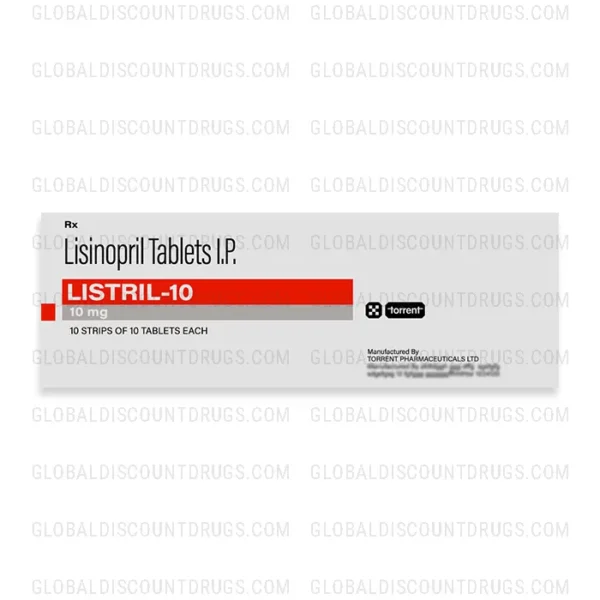
Lisinopril
In StockLisinopril is a prescription medicine used to treat high blood pressure (hypertension), heart failure, and to support heart health after a heart attack. It belongs to a class of medicines called ACE inhibitors that help relax blood vessels and improve blood flow. This action reduces strain on the heart and helps control blood pressure. Use as directed on the product label or by a healthcare professional.
$0.22 per pill
What is Lisinopril?
Lisinopril is a prescription medication used to treat several heart and blood pressure conditions. It belongs to a group of medicines called angiotensin-converting enzyme (ACE) inhibitors.
ACE inhibitors work by relaxing blood vessels and improving blood flow. This helps reduce strain on the heart and lowers blood pressure.
Healthcare professionals may prescribe lisinopril for:
High blood pressure (hypertension)
Heart failure
Improving survival after a heart attack
Protecting kidney function in certain patients with diabetes and high blood pressure
Lisinopril helps manage these conditions but does not cure them. It is often used as part of a long-term treatment plan.
Available formulations and strengths
Lisinopril is commonly available as:
Oral tablets
Oral liquid solution (in some regions)
Tablets are available in several strengths depending on the manufacturer and country.
What is the Recommended Dosage of Lisinopril?
The correct dosage of lisinopril varies depending on the patient and the condition being treated. A licensed medical specialist determines the appropriate dose.
Factors that influence dosage
The condition being treated
Age
Kidney function
Blood pressure levels
Other medications being taken
Overall health status
Available dosage forms
Lisinopril may be prescribed as:
Oral tablets
Oral liquid solution
Treatment usually starts with a lower dose, which may be gradually adjusted to achieve the desired effect. Dose adjustments must be made by a healthcare professional.
Patients should follow the prescribed dosing schedule and avoid altering the dose without medical advice.
How Lisinopril Works
Lisinopril works by blocking the angiotensin-converting enzyme (ACE).
This enzyme normally produces a substance called angiotensin II, which causes blood vessels to narrow.
By blocking this enzyme, lisinopril:
Relaxes blood vessels
Improves blood flow
Reduces blood pressure
Decreases workload on the heart
For people with heart failure or after a heart attack, this effect can help the heart pump more efficiently.
While lisinopril can significantly improve symptoms and reduce complications, it manages the condition rather than curing it.
Is a Prescription Required to Buy Lisinopril Online?
Yes. Lisinopril is a prescription-only medication in most countries.
Because it affects blood pressure, kidney function, and electrolyte balance, treatment must be supervised by a licensed medical professional.
Depending on the condition, patients may need evaluation by:
Cardiologists
Primary care physicians
Nephrologists (kidney specialists)
Patients should avoid purchasing medication from unverified online sources, as counterfeit medicines may be ineffective or unsafe.
Lisinopril should only be obtained from licensed pharmacies that require a valid prescription.
Side Effects of Lisinopril
Like many medications, lisinopril may cause side effects. Some are mild and temporary, while others require medical attention.
Common side effects
Some commonly reported side effects include:
Dry cough
Dizziness
Headache
Fatigue
Low blood pressure
Nausea
These symptoms often improve as the body adjusts to treatment.
Serious side effects
Rare but serious reactions can occur.
Possible serious side effects include:
Swelling of the face, lips, tongue, or throat (angioedema)
Severe dizziness or fainting
Chest pain
Significant drop in blood pressure
Kidney problems
High potassium levels
Patients should seek immediate medical attention if they experience symptoms such as difficulty breathing, swelling of the face or throat, or severe weakness.
Drug Interactions
Lisinopril may interact with several other medications. These interactions may change how the medicine works or increase side-effect risk.
Medicines that may interact with lisinopril
Examples include:
Diuretics (water pills)
Other blood pressure medications
Potassium supplements
Potassium-sparing diuretics
Certain diabetes medications
Non-steroidal anti-inflammatory drugs (NSAIDs) such as ibuprofen
OTC medications and supplements
Patients should also inform their healthcare professional if they use:
Over-the-counter pain medicines
Cold and flu medications
Herbal supplements
Salt substitutes containing potassium
Providing a complete medication list helps reduce the risk of interactions.
Safety & Important Considerations
Certain health conditions require additional caution when taking lisinopril.
Kidney function
Lisinopril can affect kidney function. Healthcare professionals may recommend periodic blood tests to monitor kidney health and potassium levels.
Pregnancy
Lisinopril should not be used during pregnancy, especially during the second and third trimesters, as it may harm the developing fetus.
Patients who become pregnant while taking lisinopril should contact their healthcare professional immediately.
Breastfeeding
Patients should discuss potential risks and benefits with their healthcare provider before using lisinopril while breastfeeding.
Age-related considerations
Older adults may be more sensitive to blood pressure changes and dizziness, particularly when starting treatment.
Regular follow-up helps ensure safe and effective use.
Who This Medication Is For
Lisinopril is typically prescribed for patients who:
Have high blood pressure
Have heart failure
Are recovering from a heart attack
Need protection against kidney damage related to diabetes and hypertension
The medication may be used alone or in combination with other cardiovascular medicines.
Treatment plans are individualized based on the patient’s health condition and risk factors.
Who Should Not Take Lisinopril
Lisinopril may not be appropriate for everyone.
Patients should avoid taking lisinopril if they:
Have had angioedema related to ACE inhibitors
Are allergic to lisinopril or similar medicines
Are pregnant
Have certain severe kidney conditions
Are taking medications that strongly interact with ACE inhibitors
Individuals with complex medical conditions should discuss potential risks with their healthcare professional before starting treatment.
What to Do If You Miss a Dose
If a dose of lisinopril is missed:
Take the missed dose as soon as you remember
If it is nearly time for the next scheduled dose, skip the missed dose
Resume the normal dosing schedule
Do not take two doses at the same time to make up for a missed dose.
If several doses are missed or if there is uncertainty about dosing, patients should contact a licensed medical specialist.
Alternatives to Lisinopril
Several other medications are used to treat high blood pressure and heart conditions.
Examples include:
Other ACE inhibitors
Enalapril
Ramipril
Captopril
Other blood pressure medication classes
Angiotensin receptor blockers (ARBs)
Calcium channel blockers
Beta-blockers
Diuretics
The choice of treatment depends on the patient’s medical history, risk factors, and response to therapy. Changes in medication should always be made under specialist supervision.
Storage Instructions
Proper storage helps maintain the effectiveness of lisinopril.
General storage recommendations include:
Store at room temperature
Keep away from excess heat and moisture
Protect from direct light
Keep medication in its original container
Medications should always be kept out of reach of children and pets.
Unused or expired medicine should be disposed of according to pharmacy or local safety guidelines.
Disclaimer:
This page is for educational purposes only.
It is not a substitute for professional medical advice, diagnosis, or treatment.
Patients must consult a licensed cardiologist, nephrologist, or other qualified medical specialist before starting, changing, or stopping treatment with lisinopril.
All treatment decisions should be based on a full clinical evaluation by a qualified healthcare professional.


$0.49 – $0.60 per pill


$1.13 – $1.38 per pill


$0.75 – $0.91 per pill

$0.94 – $1.14 per pill


