

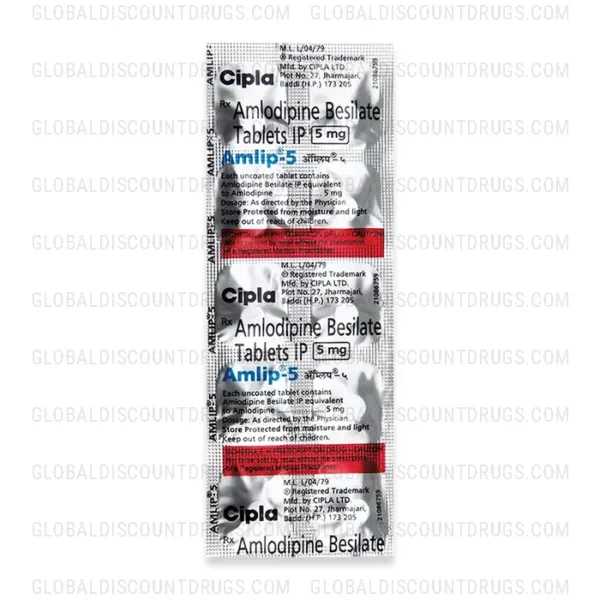
amlodipine 5mg
In StockAmlodipine 5 mg Tablet is a prescription calcium channel blocker used to treat hypertension and chronic stable angina. Swelling of the ankles or feet may occur during treatment.
| Active Ingredient: | Amlodipine |
|---|---|
| Indication: | Hypertension |
| Strength: | 5mg. |
| Dosage Form: | Tablets |
| Manufacturer: | Cipla Limited |

Quick Overview
Amlodipine 5mg is a prescription calcium channel blocker used to treat high blood pressure and certain types of chest pain (angina). It works by relaxing and widening blood vessels so the heart pumps with less resistance. Amlodipine requires a valid prescription and medical supervision, because blood pressure, swelling, and any change in chest pain need to be monitored over time.
Medical Supervision and Regulatory Status
Amlodipine 5mg is available only with a prescription in the United States, and it is not a controlled substance, so it has no DEA schedule. The FDA approved the brand Norvasc, and generic amlodipine besylate tablets are widely available. The label carries no boxed warning. Supervision is needed because amlodipine can lower blood pressure too far, cause dose-related ankle swelling, and rarely worsen angina after starting or raising the dose. Liver function matters too, since the liver clears the drug.
Clinical Context
Amlodipine treats hypertension (high blood pressure), a long-term condition in which blood pushes too hard against artery walls, and coronary artery disease, where narrowed heart arteries limit blood flow.
Treatment matters because high blood pressure usually causes no symptoms while it slowly damages the heart, brain, kidneys, and arteries. For people with coronary artery disease, angina is a warning that heart muscle is short of oxygen during effort, and controlling it can reduce hospital visits and procedures.
Calcium channel blockers are one of four first-line drug classes for high blood pressure in current US guidance, alongside thiazide-type diuretics, ACE inhibitors, and ARBs. Amlodipine is often used alone or added to another blood pressure medicine when one drug is not enough. For angina, it is an option on its own or alongside a beta blocker. Your prescriber decides where it fits for you.
How Amlodipine 5mg Works
Amlodipine is a dihydropyridine calcium channel blocker, which means it keeps calcium from entering the muscle cells in artery walls, so those vessels relax and widen.
Wider vessels offer less resistance to blood flow, so pressure in the arteries drops and the heart does not have to push as hard. In angina, the same effect eases the heart’s workload and lowers its oxygen demand. Amlodipine also relaxes the coronary arteries themselves, which helps in the type of angina caused by spasm of those vessels.
Amlodipine leaves the body slowly, with a half-life of roughly 30 to 50 hours. That supports once-daily dosing and a gradual effect, rather than a sudden drop. It controls blood pressure and chest pain while it is taken, and it does not cure either condition.
What Is Amlodipine 5mg?
Amlodipine 5mg is a once-daily prescription calcium channel blocker tablet, and the facts below summarize its class, ingredient, forms, and regulatory status in the United States.
- Drug Class: Dihydropyridine calcium channel blocker
- Active Ingredient: Amlodipine (as amlodipine besylate)
- Mechanism: Blocks calcium entry into artery wall muscle cells, relaxing and widening blood vessels and lowering blood pressure.
- Available Forms and Strengths: Oral tablets in 2.5 mg, 5 mg, and 10 mg (generic and Norvasc brand)
- Dosing Frequency: Once daily
- Regulatory Status: Prescription only (Rx) in the US, not a controlled substance, no boxed warning, generic versions available
Approved Uses
The FDA has approved amlodipine for high blood pressure, two types of angina, and reducing hospitalization for angina and coronary procedures in people with documented coronary artery disease.
- Hypertension (high blood pressure): Amlodipine lowers blood pressure in adults and in children 6 to 17 years old. It can be used alone or with other blood pressure medicines, and lowering pressure reduces the risk of strokes and heart attacks.
- Chronic stable angina: It reduces how often chest pain occurs during exertion in people with narrowed heart arteries.
- Vasospastic (Prinzmetal’s or variant) angina: It is used when chest pain comes from spasm of a coronary artery, often at rest.
- Coronary artery disease: In people with angiographically documented disease who do not have heart failure or an ejection fraction below 40%, it reduces the risk of hospitalization for angina and of coronary revascularization procedures.
How to Use and Dosage
Your prescriber sets the dose, and the labeled adult range is 2.5 mg to 10 mg once daily, with 5 mg the usual starting dose for high blood pressure.
A starting dose of 2.5 mg is used for small or frail adults, older adults, people with liver impairment, or when amlodipine is added to other blood pressure medicines. The prescriber raises the dose slowly, usually no sooner than one to two weeks, up to a maximum of 10 mg daily. For children 6 to 17 with high blood pressure, the labeled range is 2.5 mg to 5 mg once daily.
Take the tablet at the same time each day. The label allows it with or without food, so choose whichever routine you can keep.
If you miss a dose, take it when you remember, unless the next dose is almost due. Then skip the missed tablet and continue as usual. Do not take two tablets to catch up.
Do not stop amlodipine on your own. No dangerous withdrawal reaction is described in the label, but blood pressure will rise again and angina symptoms may return. If side effects bother you, ask your prescriber about a dose change instead.
Side Effects
Side effects of amlodipine vary by person, and ankle swelling, dizziness, flushing, and tiredness are reported most often, with swelling becoming more common at higher doses.
Boxed warning: Amlodipine has none.
Common effects: Swelling of the ankles or feet (edema), dizziness, flushing, a pounding or fast heartbeat (palpitations), tiredness, sleepiness, nausea, and stomach pain are the effects reported most often. Swelling does not come from fluid retention by the kidneys. It results from widened small vessels leaking fluid into the tissues, so water pills often do not help. Many effects ease with time, and a dose change may be considered if they persist.
Serious effects: Blood pressure can fall too low, causing fainting, especially with severe aortic stenosis (a narrowed heart valve). Chest pain can worsen or a heart attack can occur after starting or raising the dose in people with severe blocked heart arteries. Rare effects include liver inflammation with yellowing of the skin or eyes, allergic reactions with swelling or rash, and overgrowth of the gums.
Emergency Warning Signs
- New, worsening, or more frequent chest pain, or chest pressure that does not ease with rest
- Fainting or near-fainting
- Swelling of the face, lips, tongue, or throat, or trouble breathing or swallowing
- Yellowing of the skin or eyes, with dark urine or severe stomach pain
- Fast, pounding, or irregular heartbeat with dizziness or shortness of breath
- Sudden swelling in both legs with rapid weight gain or breathlessness
- Severe, widespread rash or hives
Call 911 or go to the nearest emergency room for chest pain, fainting, trouble breathing, or swelling of the face or throat. For the other signs, contact your prescriber or seek urgent care the same day.
Warnings and Precautions
Amlodipine is contraindicated only in people with a known allergy to it, but it can cause low blood pressure and worsen angina, so doses are raised slowly under supervision.
Extra care applies to people with severe aortic stenosis, severe blocked heart arteries, heart failure, and liver disease, because the liver clears amlodipine and its effect lasts longer when liver function is reduced. Amlodipine does not protect against the rebound that follows abrupt beta blocker withdrawal, so a beta blocker should never be stopped suddenly because amlodipine was added.
Several medicines change how amlodipine behaves. Diltiazem, clarithromycin, ketoconazole, itraconazole, and ritonavir can raise amlodipine levels and increase swelling and low blood pressure, while rifampin and St. John’s wort may lower them. Simvastatin doses above 20mg daily are not recommended with amlodipine, because muscle injury risk rises. Cyclosporine and tacrolimus levels may need monitoring. Sildenafil and other blood pressure medicines add to the blood pressure drop, and NSAIDs such as ibuprofen may weaken blood pressure control. Alcohol can add to dizziness and light-headedness.
The label notes that human pregnancy data are limited, and that untreated high blood pressure in pregnancy carries its own risks, so the prescriber weighs benefit against risk. Tell your prescriber if you are pregnant or planning pregnancy. Amlodipine passes into breast milk in small amounts, and data on effects in nursing infants are limited, so feeding plans should be reviewed with the prescriber or pediatrician.
Older adults clear the drug more slowly and are more likely to be affected by low blood pressure, so the starting dose is usually 2.5 mg with slower increases. Amlodipine is approved for high blood pressure in children 6 to 17, and safety in children under 6 has not been established. People with kidney impairment do not need a dose change, and dialysis does not remove the drug. People with liver impairment generally start at 2.5 mg and increase gradually.
Monitoring usually includes blood pressure and pulse at each visit, a check of ankle swelling, a record of how often chest pain occurs, and liver tests if symptoms such as yellowing of the skin or eyes appear. Regular dental care also helps, since gum overgrowth has been reported.
Who Should Not Use This Medication
Amlodipine 5mg should not be used by anyone with a known allergy to amlodipine, and certain heart and liver conditions require a prescriber’s review before use.
- Known hypersensitivity (allergy) to amlodipine or any ingredient in the tablet. This is the label’s only contraindication.
- Severe aortic stenosis, severe blocked heart arteries, or heart failure, which need the prescriber’s decision and close monitoring if treatment is chosen.
- Severe liver disease, where a lower starting dose and slow dose changes are used.
- Low blood pressure at baseline, where starting amlodipine can cause fainting.
Storage Instructions
Store amlodipine tablets at room temperature, between 68°F and 77°F (20°C to 25°C), in a tight container that protects them from light and moisture.
Avoid keeping the bottle in a bathroom or near the stove, where heat and steam can damage tablets. Keep it out of sight and reach of children, because an overdose can cause a severe drop in blood pressure and shock. If a child swallows tablets, call Poison Control at 1-800-222-1222, or 911 if the child collapses or has trouble breathing. Do not share your tablets.
For disposal, use a drug take-back site or program, such as those at many pharmacies or on DEA take-back days. If none is available, FDA guidance allows mixing tablets with used coffee grounds or cat litter in a sealed bag, placing it in household trash, and scratching out personal details on the label.
Frequently Asked Questions
What is the cost of Amlodipine 5mg without insurance?
The cost without insurance depends on the seller, brand availability, and pack size. Location and available discounts can also change it. Generic amlodipine is generally more affordable than the brand-name product, Norvasc, and is widely available. Request a quote from a licensed US pharmacy, and ask whether your prescription can be filled with the generic.
How can I order Amlodipine 5mg online?
You can order Amlodipine 5mg online only with a valid prescription. Upload it, or ask your prescriber to send it to the pharmacy, then order from a licensed US pharmacy and receive home delivery. Before paying, confirm the pharmacy holds a state license and has a pharmacist available to answer questions.
Is Amlodipine 5mg available over the counter?
No, amlodipine is not sold over the counter in the United States. Rules vary by country, but US law keeps it prescription-only. Medical supervision is needed because blood pressure, heart symptoms, and liver health influence the safe dose. A prescriber can also raise or lower the dose after checking how your body responds.
Does Amlodipine 5mg require a prescription?
Yes, amlodipine requires a prescription from a licensed US prescriber. A medical evaluation matters because the drug can lower blood pressure too far, cause swelling, and affect angina, and the right dose depends on age and liver function. Your prescriber reviews your history, chooses a starting dose, and schedules blood pressure checks. A pharmacist verifies the prescription before dispensing.
How long does Amlodipine 5mg take to work?
Amlodipine builds up gradually, so blood pressure usually falls over one to two weeks rather than in a single day. Steady drug levels are reached after about seven to eight days of daily dosing, and prescribers wait at least a week before raising the dose. Response varies from person to person. Feeling no change is common.
Is it safe to stop taking Amlodipine 5mg suddenly?
No, stopping amlodipine suddenly without medical advice is not recommended. No dangerous withdrawal reaction is described in the label, but blood pressure will gradually rise again, and angina symptoms may return. If swelling or dizziness bothers you, your prescriber can lower the dose or change medicines instead of having you quit abruptly.
Can Amlodipine 5mg interact with other medicines?
Yes, amlodipine interacts with several medicines. Diltiazem, clarithromycin, ketoconazole, itraconazole, and ritonavir can raise amlodipine levels, while rifampin and St. John’s wort can lower them. Simvastatin should not exceed 20 mg daily with amlodipine. Sildenafil and other blood pressure medicines add to the effect, and cyclosporine or tacrolimus levels may need monitoring.
What should I do if I miss a dose of Amlodipine 5mg?
Take the missed amlodipine 5mg tablet when you remember, unless your next dose is almost due. If it is, skip the missed tablet and resume your usual time. Taking two doses together can drop blood pressure sharply and cause dizziness or fainting, so avoid doubling up. Link the tablet to a daily habit to prevent missed doses.
References
- DailyMed (NIH), amlodipine besylate tablets drug label. Official FDA-approved prescribing information, including indications, dosing, contraindications, and interactions.
- MedlinePlus, Amlodipine. Plain-language patient information on uses, precautions, side effects, and missed doses. https://medlineplus.gov/druginfo/meds/a692044.html
- FDA, Drugs@FDA entry for Norvasc (amlodipine besylate). Approval history and current labeling for the reference brand product.
Medical Disclaimer:
This content is for informational purposes only and does not constitute medical advice, diagnosis, or treatment. Consult a qualified specialist or physician before using Amlodipine 5mg.
Prescription Required (Rx) to Buy?
This medication is not available over the counter. A valid prescription from a licensed healthcare
professional is required. Always consult your doctor before use.
| Quantity | 120, 30, 60, 90 |
|---|---|
| Indication | Hypertension |
| Active Ingredient | Amlodipine |
| Pharmaceutical Form | Tablets |
| Manufacturer | Cipla Limited |
| Indian Brand | Amlip 5mg |
| US Brand Name | Amlo, Amlodipine, Amlodipine Besylate, Istin, Norvasc |
| Generic Name | Amlodipine |
| Dosage | 5mg. |
| Drug Type | Tablets |