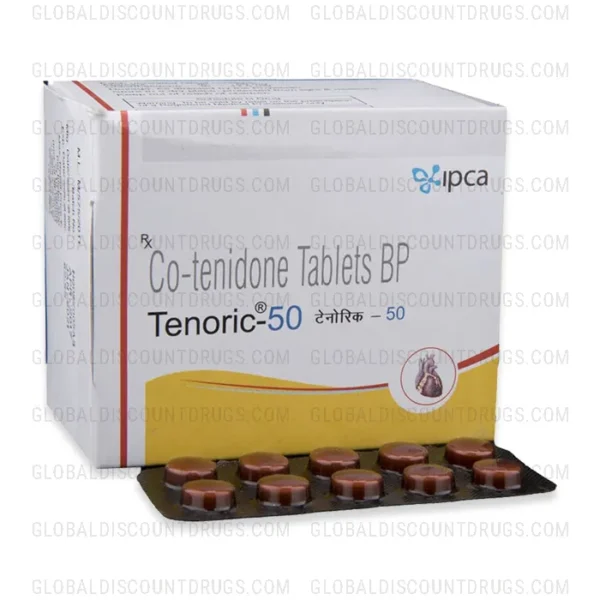
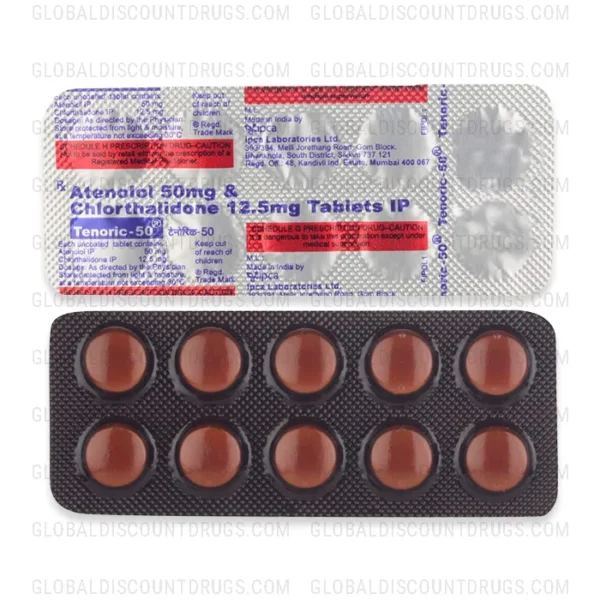
Atenolol-Chlorthalidone 50mg-12.5mg
In StockAtenolol-Chlorthalidone 50 Tablet is a combination of two medicines used to treat hypertension (high blood pressure). It helps to control blood pressure when a single medication is not effective. It also helps to reduce chances of any future heart attack and stroke.
| Active Ingredient: | Atenolol-Chlorthalidone |
|---|---|
| Indication: | Hypertension |
| Strength: | 50mg-12.5mg |
| Dosage Form: | Tablets |
| Manufacturer: | Ipca |

Atenolol-Chlorthalidone 50mg/12.5mg: Quick Overview
Atenolol-Chlorthalidone 50mg/12.5mg is a prescription combination tablet used to treat high blood pressure (hypertension) in adults. It pairs a beta-blocker with a thiazide-like diuretic to lower blood pressure through two different mechanisms. This medication requires a valid prescription and should only be used under medical supervision.
Medical Supervision and Regulatory Status
Atenolol-Chlorthalidone 50mg/12.5mg is an FDA-approved prescription-only medication and is not available over the counter in the United States. It is classified as a prescription drug under federal law, meaning a licensed healthcare provider must evaluate and authorize its use. Regular medical follow-up is required to monitor blood pressure response, electrolyte levels, and kidney function during treatment.
Clinical Context
High blood pressure, or hypertension, is a condition where the force of blood against artery walls remains consistently elevated. When left unmanaged, hypertension significantly increases the risk of heart attack, stroke, kidney damage, and heart failure. Many patients require more than one medication to reach their blood pressure targets.
Atenolol-Chlorthalidone is prescribed when a single-drug approach has not been sufficient to control blood pressure adequately. The combination allows two agents to work at the same time, often producing better results than either drug used alone. This makes it a practical option for patients who need additional blood pressure control without adding a separate pill.
This fixed-dose combination also supports better treatment adherence. Taking one tablet instead of two separate medications can simplify a patient’s daily routine, which plays a meaningful role in long-term blood pressure management.
How Atenolol-Chlorthalidone Works
Atenolol belongs to a group of drugs called beta-1 selective adrenergic blockers. It works by blocking the effects of adrenaline on the heart, which slows the heart rate and reduces the force of each heartbeat. The result is a lower cardiac output and a measurable reduction in blood pressure.
Chlorthalidone is a thiazide-like diuretic that works on the kidneys to increase the excretion of sodium and water from the body. By reducing the total fluid volume in the bloodstream, it reduces the pressure that blood exerts on the walls of the arteries.
Together, these two mechanisms target blood pressure from separate angles. Atenolol reduces cardiac workload while chlorthalidone reduces vascular volume, and the combined effect tends to be greater than either action alone. This dual approach is the foundation for the clinical usefulness of this combination tablet.
What Is Atenolol-Chlorthalidone 50mg/12.5mg?
Drug Class: Beta-blocker combined with thiazide-like diuretic Active Ingredients: Atenolol 50mg and Chlorthalidone 12.5mg Mechanism: Atenolol slows heart rate and reduces cardiac output; chlorthalidone reduces fluid volume by promoting sodium and water excretion through the kidneys Dosage Form: Oral tablet Typical Dosing Frequency: Once daily, as prescribed Regulatory Status: FDA-approved prescription medication in the United States
Uses and Approved Indications
Hypertension (High Blood Pressure) Atenolol-Chlorthalidone 50mg/12.5mg is indicated for the management of hypertension in adults. It is used when blood pressure has not been adequately controlled with a single antihypertensive agent or when a combination approach is considered appropriate at the start of therapy based on the degree of blood pressure elevation.
Stepped Combination Therapy Physicians may prescribe this fixed-dose combination as part of a broader cardiovascular risk reduction plan, particularly in patients with additional risk factors such as coronary artery disease or a history of heart-related events.
How to Use Atenolol-Chlorthalidone / Dosage Guidance
Atenolol-Chlorthalidone should be taken exactly as prescribed by your doctor. The typical starting dose is one tablet once daily. Your physician will determine the appropriate dose and adjust it based on your blood pressure response and how well you tolerate the medication.
Timing: This tablet is generally taken once in the morning, with or without food. Taking it at the same time each day helps maintain consistent blood levels.
Missed Dose: If you miss a dose, take it as soon as you remember. If it is close to the time of your next scheduled dose, skip the missed dose and resume your regular schedule. Do not take two doses at once to make up for a missed one.
Do Not Stop Suddenly: Do not discontinue atenolol-chlorthalidone without first speaking to your doctor. Stopping a beta-blocker abruptly can cause a rebound increase in blood pressure, chest pain, or other serious cardiac effects. Your doctor will guide you on how to taper the medication if it needs to be stopped.
Side Effects of Atenolol-Chlorthalidone 50mg-12.5mg
Most people who take atenolol-chlorthalidone tolerate it reasonably well, and many side effects are mild and tend to improve over time as the body adjusts to the medication.
Common side effects include fatigue, dizziness, slow heart rate (bradycardia), cold hands or feet, and increased urination due to the diuretic component. Some patients may also experience mild headache, nausea, or general tiredness, especially during the first few weeks of treatment.
Serious side effects are less common but require prompt medical attention. These include significant drops in blood pressure (especially when standing up), signs of electrolyte imbalance such as muscle cramps or weakness, elevated blood sugar levels, and symptoms of worsening heart failure such as sudden weight gain or swelling in the legs.
Seek Emergency Medical Attention If You Experience:
- Chest pain or tightness
- Sudden shortness of breath or difficulty breathing
- Severe dizziness or fainting
- Irregular or very slow heartbeat
- Signs of serious allergic reaction such as swelling of the face, lips, or throat
- Muscle weakness or confusion (may indicate electrolyte imbalance)
- Unusually dark urine or decreased urination
Warnings and Precautions
Cardiac Conditions: Atenolol can mask certain symptoms of low blood sugar in patients with diabetes and may reduce the heart’s ability to compensate during acute stress. Patients with known heart failure, heart block, or very slow heart rate should not use this medication without careful evaluation.
Kidney and Liver Function: Chlorthalidone is primarily cleared through the kidneys. Patients with severely reduced kidney function may require dose adjustments or may not be suitable candidates for this combination. Liver function should also be considered, as electrolyte imbalances are more likely in patients with liver disease.
Electrolyte Monitoring: Chlorthalidone can lower potassium levels in the blood (hypokalemia). Patients on this medication should have periodic blood tests to monitor potassium, sodium, and creatinine levels. Low potassium can cause muscle cramps, weakness, and heart rhythm problems.
Drug Interactions: Atenolol-chlorthalidone can interact with several medications. Calcium channel blockers such as verapamil or diltiazem used together with atenolol can increase the risk of dangerously slow heart rate. Nonsteroidal anti-inflammatory drugs (NSAIDs) such as ibuprofen or naproxen may reduce the blood pressure-lowering effect of this combination. Lithium clearance may be reduced by chlorthalidone, increasing lithium toxicity risk. Digitalis (digoxin) combined with atenolol increases the risk of heart block. Always inform your prescriber about all medications, supplements, and herbal products you are taking.
Pregnancy and Breastfeeding: Atenolol has been associated with fetal growth restriction and is generally not recommended during pregnancy, particularly in the second and third trimesters. Chlorthalidone passes into breast milk. Pregnant women, those planning to become pregnant, and breastfeeding mothers should discuss alternatives with their physician before starting this medication.
Respiratory Conditions: Although atenolol is beta-1 selective, it can still affect breathing in some patients with asthma or chronic obstructive pulmonary disease (COPD). Use with caution in patients with these conditions and only under close supervision.
Diabetes: Beta-blockers can interfere with the body’s normal response to low blood sugar and may mask warning signs of hypoglycemia such as increased heart rate. Diabetic patients should monitor blood glucose carefully and inform their doctor of any unusual readings.
Who Should Not Use Atenolol-Chlorthalidone 50mg-12.5mg Medication
The following patients should not use atenolol-chlorthalidone without specific physician guidance or should avoid it altogether:
- Patients with second- or third-degree heart block
- Patients with sinus bradycardia (resting heart rate below normal)
- Patients with cardiogenic shock or decompensated heart failure
- Those with a known allergy to atenolol, chlorthalidone, sulfonamide derivatives, or any inactive ingredient in the tablet
- Patients with severe kidney impairment or anuria (inability to produce urine)
- Those with a history of severe bronchospasm or uncontrolled asthma
- Pregnant women, unless specifically directed by a physician who has weighed the risks
Storage Instructions
Store atenolol-chlorthalidone tablets at room temperature, between 68 and 77 degrees Fahrenheit (20 to 25 degrees Celsius). Keep the medication away from excessive moisture and direct light. Do not store it in the bathroom. Keep this medication in its original container with the lid tightly closed and place it out of reach of children and pets. Dispose of unused or expired medication through an approved drug take-back program rather than flushing it down the drain.
Frequently Asked Questions
Does Atenolol-Chlorthalidone require a prescription in the United States?
Yes, atenolol-chlorthalidone requires a valid prescription from a licensed healthcare provider. A prescription is required because the medication needs proper medical evaluation to determine if it is suitable for you, including review of your heart rate, kidney function, and other medications you may be taking.
How long does it take for Atenolol-Chlorthalidone to lower blood pressure?
Some blood pressure reduction may be noticeable within the first one to two weeks of starting treatment. However, the full therapeutic effect generally takes two to four weeks to stabilize. Your doctor will check your blood pressure at follow-up visits and adjust the dose if needed.
Is it safe to stop taking Atenolol-Chlorthalidone suddenly?
No, it is not safe to stop this medication abruptly. Discontinuing a beta-blocker without medical guidance can cause a sudden spike in blood pressure, chest pain, or worsening heart conditions. Always consult your doctor before reducing or stopping the dose.
Can Atenolol-Chlorthalidone interact with other medications?
Yes, it can interact with several drugs including calcium channel blockers, NSAIDs, lithium, and digoxin. These interactions can affect heart rate, blood pressure, or increase the risk of side effects. Always provide your doctor and pharmacist with a full list of your current medications.
What should I do if I miss a dose?
Take the missed dose as soon as you remember. If it is nearly time for your next scheduled dose, skip the one you missed and continue with your regular schedule. Never double up on doses, as this increases the risk of side effects including an unsafe drop in blood pressure or heart rate.
What is the cost of Atenolol-Chlorthalidone without insurance?
The cost without insurance depends on the seller, brand availability, and pack size, and may also vary by location and any available discounts or savings programs. Generic versions of this combination are generally more affordable than brand-name products. Your pharmacist can help you compare prices or find assistance programs if cost is a concern.
How can I order Atenolol-Chlorthalidone online?
A valid prescription is required to order this medication online. The process typically involves uploading your prescription or having your doctor send it directly to a licensed online pharmacy, after which the medication is dispensed and delivered to your home. Always order from a verified, state-licensed pharmacy to ensure product safety and legitimacy.
Is Atenolol-Chlorthalidone available over the counter?
No, atenolol-chlorthalidone is not available over the counter in the United States or in most other countries. It is a prescription-only medication in most regions. Regulations may vary internationally, but medical supervision is required wherever this combination is dispensed due to its cardiovascular effects and potential for serious interactions.
Resources:
For additional reading on hypertension management and the medications used to treat it, the following pages may be helpful:
- JNC 8 Hypertension Guideline Algorithm (American Academy of Family Physicians) – https://www.aafp.org/pubs/afp/issues/2014/1001/p503.html
- Atenolol and Chlorthalidone (MedlinePlus, U.S. National Library of Medicine) – https://medlineplus.gov/druginfo/meds/a601087.html
- Atenolol-Chlorthalidone Prescribing Information (FDA, U.S. Food and Drug Administration) – https://www.accessdata.fda.gov/drugsatfda_docs/label/2008/018286s030lbl.pdf
Medical Disclaimer:
This content is for informational purposes only and does not constitute medical advice, diagnosis, or treatment. Consult a qualified specialist or physician before using Atenolol-Chlorthalidone 50mg/12.5mg. Read our full medical disclaimer for more details
Prescription Required (Rx) to Buy?
This medication is not available over the counter. A valid prescription from a licensed healthcare
professional is required. Always consult your doctor before use.
| Quantity | 100, 200, 300, 400 |
|---|---|
| Indication | Hypertension |
| Active Ingredient | Atenolol-Chlorthalidone |
| Pharmaceutical Form | Tablets |
| Manufacturer | Ipca |
| Indian Brand | Tenoric 50mg |
| US Brand Name | Atenolol-Chlorthalidone, Tenoretic |
| Generic Name | Atenolol-Chlorthalidone |
| Dosage | 50mg-12.5mg |
| Drug Type | Tablets |