
No products in the cart.

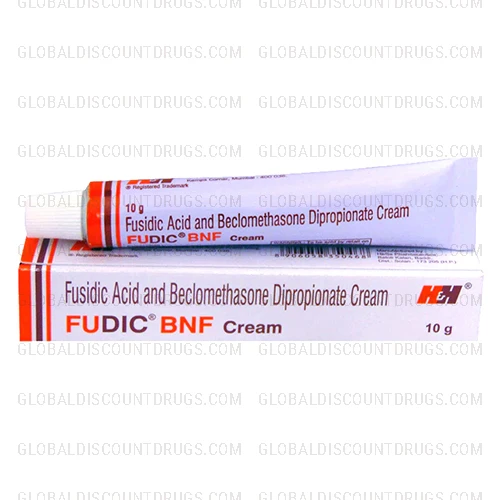
Fusidic Acid
In StockFusidic Acid is a powerful topical or systemic antibiotic used primarily to treat skin and eye infections caused by bacteria, especially Staphylococcus aureus. It works by inhibiting bacterial protein synthesis, effectively stopping the growth of the harmful microbes. When applied to the skin, it is highly effective against impetigo and infected dermatitis.
$14.73 per pill
What is Fusidic Acid?
Fusidic Acid is an antibiotic medication commonly used to treat bacterial skin infections. It works by stopping the growth of harmful bacteria that cause redness, swelling, and irritation. Doctors prescribe this medicine in forms like cream, ointment, or gel for conditions such as impetigo, infected dermatitis, and minor wounds. Fusidic Acid is suitable for both adults and children when used under medical guidance and is known for its targeted, effective action on skin infections.
Fusidic Acid Used For
-
Impetigo
-
Infected eczema
-
Folliculitis
-
Minor cuts or wounds that become infected
-
Skin infections caused by Staphylococcus aureus
It helps reduce inflammation while clearing the infection naturally over a few days.
Chemical Composition
The primary component is:
-
Fusidic Acid – a steroidal antibiotic derived from the fungus Fusidium coccineum
Topical formulations include inactive ingredients like emulsifiers, moisturizers, and stabilizers to improve skin absorption and comfort.
Fusidic Acid Mechanism
Fusidic Acid works by blocking protein synthesis inside bacterial cells. Without protein, bacteria cannot grow, multiply, or spread. This targeted mechanism allows the medicine to work effectively against resistant strains, especially Staphylococcus infections, while keeping healthy skin cells safe.
How Does It Help With Bacterial Skin Infections?
Skin infections cause redness, swelling, pain, and sometimes discharge. Fusidic Acid helps by:
-
Stopping bacteria from multiplying
-
Reducing inflammation and irritation
-
Preventing the infection from spreading to nearby skin
-
Supporting faster skin healing
This makes it a popular choice for dermatologists treating mild to moderate bacterial infections.
What Are the Other Benefits?
-
Works quickly, often showing improvement within 2–3 days
-
Suitable for sensitive skin areas
-
Available in easy-to-apply formulations like cream and ointment
-
Helps prevent infection in minor injuries
-
Effective against antibiotic-resistant bacteria such as MRSA (in some cases)
-
Causes fewer systemic side effects compared to oral antibiotics
Dosages
A simple overview to help patients use Fusidic Acid safely and correctly.
Available Strengths or Dosage
Fusidic Acid is generally available as:
-
2% cream
-
2% ointment
-
2% gel
Your doctor may choose the right form depending on the infection site and skin sensitivity.
How and When to Take It
-
Apply a thin layer to the affected area 2 to 3 times daily, or as directed.
-
Clean and dry the skin before applying.
-
Avoid covering the area with a tight bandage unless advised by a doctor.
-
Wash hands after application to avoid accidental spread to eyes or mouth.
-
Continue using it for the full recommended duration, even if symptoms improve early.
Overdose Caution
Using too much can cause:
-
Skin irritation
-
Redness
-
Burning or stinging
Do not apply excessively or more frequently than prescribed. If swallowed accidentally, seek medical advice.
Who Can Use/Take Fusidic Acid?
Fusidic Acid can be used by:
-
Adults and older adults
-
Children and infants, depending on the condition
People who should use it carefully include:
-
Individuals with severe eczema
-
Those allergic to antibiotics or ointment bases
-
Patients with eye infections (special formulations are needed)
Pregnant or breastfeeding women should consult a doctor before use, although topical forms are usually considered safe.
Side Effects & Precautions
What Are the Side Effects?
Common side effects:
-
Mild burning sensation
-
Skin dryness
-
Redness
-
Itching at the application site
Less common:
-
Rash
-
Swelling
-
Contact dermatitis
Stop using the medicine and seek help if you experience severe irritation or allergic reactions.
What Are the Precautions to Avoid Side Effects?
-
Do not apply near the eyes unless using a specific eye formulation.
-
Avoid applying to open, deep, or severe wounds unless prescribed.
-
Do not use longer than recommended to avoid antibiotic resistance.
-
Avoid mixing it with other creams unless approved by a doctor.
-
Keep the area clean and avoid touching the infection frequently.
Always consult your doctor before starting a dose. If prescribed, you can order Fusidic Acid cream or ointment online safely from trusted pharmacy sources and ensure timely refills to maintain your treatment progress.

$9.36 per pill


$3.75 per pill

$9.36 – $11.44 per pill


$22.32 – $27.28 per pill


