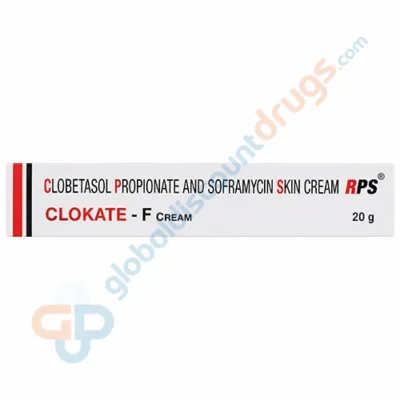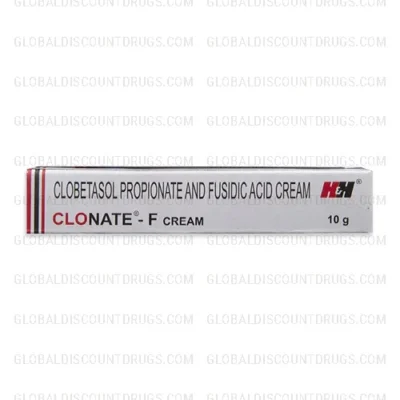

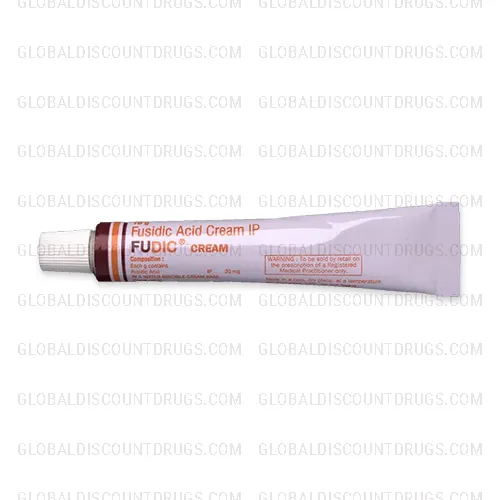
Fusidic Acid 2% 5g
In StockFusidic Acid 2% Cream is a topical antibiotic used to treat selected localized bacterial skin infections. Apply only to the affected area for the prescribed duration to limit unnecessary antibiotic exposure.
| Active Ingredient: | Fusidic Acid (2% w/w) |
|---|---|
| Indication: | Bacterial Skin Infection |
| Strength: | 2%-5g |
| Dosage Form: | Cream |
| Manufacturer: | Hegde and Hegde Pharmaceutical LLP |

Fusidic Acid 2% Cream (5g) Quick Overview
Fusidic acid 2% cream is a topical antibiotic used to treat bacterial skin infections such as impetigo, infected cuts, and folliculitis. It works by stopping staphylococcal bacteria from multiplying in the skin. This medication requires a prescription and should be used exactly as directed by your doctor.
2. Medical Supervision & Regulatory Status
Fusidic acid cream is a prescription-only medicine in most countries where it is marketed (e.g., UK, Canada, EU, Australia, India — under Schedule H in India). It is not currently FDA-approved for sale in the United States; US patients typically encounter it only through licensed international pharmacies with a valid prescription, or as a compounded/imported product under medical guidance. Supervision is required because misuse can promote antibiotic resistance and mask more serious skin conditions.
3. Clinical Context
Bacterial skin infections like impetigo, infected eczema, and folliculitis occur when bacteria — most commonly Staphylococcus aureus — breach the skin barrier through cuts, insect bites, or existing skin conditions. Left untreated, these infections can spread, worsen, or trigger complications, especially in children and people with weakened immune systems.
Treatment is needed to clear the infection, relieve symptoms like redness and crusting, and prevent the bacteria from spreading to other areas or people, since impetigo in particular is contagious.
Topical antibiotics like fusidic acid are typically the first-line option for localized, mild-to-moderate skin infections, reserving oral antibiotics for widespread or more serious cases.
4. How Fusidic Acid Works
Fusidic acid belongs to the fusidane class of antibiotics, chemically distinct from penicillins or other common antibiotic families.
It works by blocking a bacterial protein called elongation factor G, which bacteria need to build proteins essential for their survival and growth. Without this process, susceptible bacteria — particularly staphylococci — can’t multiply and are eventually cleared by the body’s immune defenses.
This targeted mechanism allows the cream to control infection at the skin’s surface while sparing normal human cells, since human protein synthesis uses a different pathway.
5. What is Fusidic Acid Cream?
- Drug Class: Topical antibiotic (fusidane class)
- Active Ingredient: Fusidic acid 2% (20mg/g)
- Mechanism: Inhibits bacterial protein synthesis by blocking elongation factor G, stopping bacterial growth.
- Form: Topical cream, 5g tube
- Dosing Frequency: Usually 2–4 times daily
- Regulatory Status: Prescription-only in most markets; not FDA-approved for US sale
6. Uses / Indications
- Impetigo – a crusty, weeping bacterial skin infection, common in children
- Infected cuts, grazes, or wounds – prevents or treats secondary bacterial infection
- Folliculitis – infection/inflammation of hair follicles
- Infected eczema or dermatitis – controls bacterial overgrowth on inflamed skin
- Paronychia – infection of the skin around nails (mild cases)
7. How to Use / Dosage
Apply a thin layer to the affected area as directed by your doctor, generally 2–4 times daily for 7–14 days. Wash your hands before and after application (unless treating the hands). Your doctor determines the exact dose, frequency, and duration based on infection severity.
If you miss a dose, apply it as soon as you remember, then continue your regular schedule — do not double up. Do not stop treatment early, even if the skin looks improved, unless your doctor tells you to; stopping too soon can allow bacteria to survive and become resistant.
8. Side Effects
Most people tolerate fusidic acid cream well, and side effects are usually mild and temporary.
Common effects may include local irritation, burning, stinging, itching, or redness at the application site.
Serious effects, though uncommon, can include a significant allergic skin reaction or worsening of the treated area, which should be reported to a doctor promptly.
Emergency Warning Signs — seek medical attention if you notice:
- Severe rash, hives, or swelling of the face, lips, or throat
- Difficulty breathing
- Blistering or peeling skin
- Signs the infection is spreading (increasing redness, warmth, swelling)
- Fever with worsening skin symptoms
- Persistent or worsening irritation after several days of use
9. Warnings & Precautions
Fusidic acid cream should not be used by anyone with a known allergy to fusidic acid or any ingredient in the formulation. It is intended for external skin use only and should not be applied in or near the eyes, as it can cause irritation; accidental eye contact should be rinsed immediately with water.
Drug interactions with topical fusidic acid are limited since systemic absorption is minimal, but caution is advised when combining with other topical antibiotics or steroids on the same site without medical guidance, as this can mask signs of worsening infection or promote resistance.
In pregnancy and breastfeeding, fusidic acid cream is generally considered low-risk for short-term, localized use, but a doctor should confirm suitability, particularly for breastfeeding mothers applying it near the chest area. Special populations, including infants, elderly patients, and those with widespread or extensive skin conditions, may need closer monitoring, and use over large areas or broken skin for prolonged periods should be avoided unless directed by a physician, since this increases absorption and resistance risk.
10. Who Should Not Use This Medication
- Anyone with a known hypersensitivity to fusidic acid or cream ingredients
- Use in or near the eyes
- Extensive, unsupervised long-term use without medical follow-up
- Application to deep wounds, surgical sites, or severe infections without doctor guidance
- Use without a confirmed bacterial diagnosis (not effective against viral or fungal skin conditions)
11. Storage Instructions
Store below 25°C (77°F) in a cool, dry place, away from direct sunlight and moisture. Keep the tube tightly closed when not in use. Store out of reach and sight of children. Discard any unused product after the expiration date printed on the packaging.
12. Frequently Asked Questions
What is the cost of Fusidic Acid 2% cream without insurance?
The cost without insurance depends on the seller, brand availability, and pack size, and may also vary by location and available discounts. Generic fusidic acid is generally more affordable than branded versions. Check with a licensed pharmacy for current pricing.
How can I order Fusidic Acid cream online?
A valid prescription is required to order this medication. Typically, you upload your prescription or have your doctor send it directly, then order through a licensed pharmacy for home delivery. Always verify the pharmacy is properly licensed before ordering.
Is Fusidic Acid cream available over the counter?
No, fusidic acid cream is not available over the counter in most countries, including the US. Regulations vary by region, but medical supervision and a prescription are generally required due to antibiotic resistance concerns.
Does Fusidic Acid cream require a prescription?
Yes, a prescription is required in most countries. This ensures proper medical evaluation of the infection and appropriate monitoring, since antibiotics carry resistance risks if misused.
How long does it take for Fusidic Acid cream to work?
Visible improvement usually appears within a few days of consistent use. If the skin doesn’t improve within 5–7 days, contact your doctor, as a different treatment may be needed.
Is it safe to stop using Fusidic Acid cream once symptoms improve?
No, you should complete the full course as prescribed, even if symptoms resolve early. Stopping too soon can allow surviving bacteria to cause a relapse or develop resistance.
What should I do if I miss a dose?
Apply the missed dose as soon as you remember, then resume your normal schedule. Do not apply extra cream to make up for a missed application, and consult your doctor if you miss multiple doses.
References
- DailyMed – Fucidin (Sodium Fusidate) Ointment Label, National Library of Medicine
- Electronic Medicines Compendium (emc) – Fusidic Acid 20mg/g Cream Patient Information Leaflet
- Patient.info – Fusidic Acid for Skin Infections (Fucidin)
Resources
- MedlinePlus – Skin Infections Overview
- DailyMed Homepage – Search Drug Labels
- FDA – Understanding Unapproved Drugs
Medical Disclaimer:
This content is for informational purposes only and does not constitute medical advice, diagnosis, or treatment. Consult a qualified specialist or physician before using Fusidic Acid 2% cream.
Prescription Required (Rx) to Buy?
This medication is not available over the counter. A valid prescription from a licensed healthcare
professional is required. Always consult your doctor before use.
| Quantity | 12, 3, 6, 9 |
|---|---|
| Indication | Bacterial Skin Infection |
| Active Ingredient | Fusidic Acid (2% w/w) |
| Pharmaceutical Form | Cream |
| Manufacturer | Hegde and Hegde Pharmaceutical LLP |
| Indian Brand | Fudic Cream 5g |
| US Brand Name | Fudic Cream |
| Generic Name | Fusidic Acid (2% w/w) |
| Dosage | 2%-5g |
| Drug Type | Tubes |