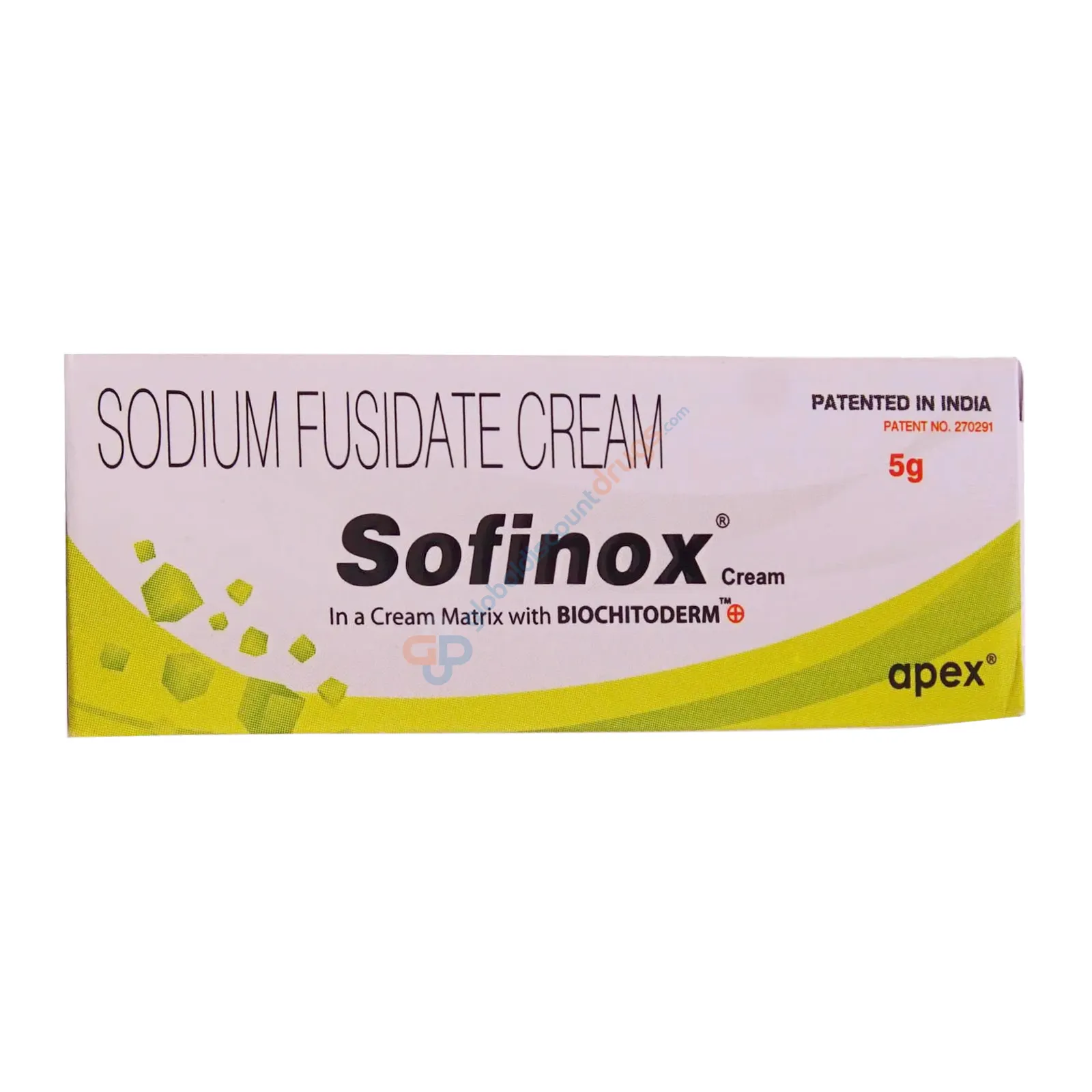



Sodium Fusidate
In StockSodium Fusidate is the salt form of Fusidic Acid, a highly effective, narrow-spectrum topical antibiotic primarily used for treating skin and soft tissue infections caused by Staphylococcus aureus, including some MRSA strains. It works by inhibiting bacterial protein synthesis. This API is valued for its potent anti-staphylococcal activity and excellent skin penetration. Sodium Fusidate is a mainstay in the localized treatment of impetigo and infected dermatitis.

What is Sodium Fusidate?
Sodium fusidate (also known as fusidic acid sodium salt) is a topical and, in some regions, systemic medication that belongs to the fusidane antibiotic class. It is used to treat bacterial skin infections, particularly those caused by Staphylococcus aureus and certain other susceptible bacteria.
Common approved and prescribed uses include:
- Treatment of skin infections such as impetigo, folliculitis, and infected dermatitis or eczema
- Treatment of minor wound infections
- In some countries, oral or intravenous formulations are used for more serious staphylococcal infections, including bone and joint infections, under specialist supervision
Available formulations may include:
- Topical cream
- Topical ointment
- Oral tablets (in some regions)
- Eye drops (fusidic acid viscous eye drops, used for bacterial conjunctivitis, in some regions)
Availability of specific formulations and strengths varies significantly by country, as regulatory approval differs internationally. Patients should confirm which formulation has been prescribed with their pharmacist or treating specialist.
What is the Recommended Dosage of Sodium Fusidate?
Dosage depends on the formulation prescribed and varies based on:
- The type and severity of infection
- The patient’s age
- Body weight (particularly for oral or systemic formulations in children)
- Kidney and liver function, especially for oral or systemic use
- The specific product formulation (topical vs. oral vs. ophthalmic)
General principles:
- Topical formulations are typically applied to the affected area a few times daily for a limited course, as directed by the prescribing specialist.
- Oral formulations, where available, are dosed based on the specific infection being treated and patient factors, and must be prescribed and monitored by a physician.
- This guide does not provide individualized dosing instructions. Always follow the specific dosing and duration instructions provided by your dermatologist or treating physician.
How Sodium Fusidate Works
Sodium fusidate works by inhibiting bacterial protein synthesis. It interferes with a specific step in the process bacteria use to build proteins they need to grow and multiply, which slows bacterial growth and helps the immune system clear the infection.
This medication treats active bacterial infection but does not prevent future infections and does not work against viral or fungal skin conditions.
Is a Prescription Required to Buy Sodium Fusidate Online?
Yes, in most regions sodium fusidate is available by prescription only, particularly for oral and systemic formulations. Some topical formulations may have different availability depending on local regulations, but consultation with a licensed specialist is strongly recommended regardless.
Patients should consult a licensed medical specialist, such as:
- A dermatologist (for skin infections)
- An infectious disease specialist (for more serious or systemic infections)
- An ophthalmologist (for eye-related formulations)
Important safety notes:
- Never purchase this medication from unverified or unlicensed online sources, as counterfeit products may contain incorrect or unsafe ingredients.
- Only obtain this medication from a licensed pharmacy with a valid prescription.
- Do not use veterinary-labeled fusidic acid products intended for animals.
Side Effects of Sodium Fusidate
Common Side Effects
- Mild burning, stinging, or itching at the application site (topical use)
- Redness or irritation of the treated skin
- Nausea, stomach upset, or diarrhea (with oral use)
- Headache (with oral use)
Serious Side Effects
Seek immediate medical attention if any of the following occur:
- Signs of a severe allergic reaction (difficulty breathing, swelling of the face or throat, widespread rash or hives)
- Signs of liver problems, such as yellowing of the skin or eyes, dark urine, or severe stomach pain (particularly with oral or systemic use)
- Severe or worsening skin reaction at the application site
- Signs of a severe skin reaction such as blistering or peeling (rare)
- Muscle pain or weakness (rare, reported with systemic use)
This is not a complete list. Patients and caregivers should report any new or worsening symptoms to the treating specialist promptly.
Drug Interactions
Before starting this medication, patients should inform their licensed medical specialist about all medications and products they are using, including:
- Statins (cholesterol-lowering medications), as combined use with oral or systemic fusidic acid has been associated with a rare but serious risk of muscle breakdown (rhabdomyolysis) in some regions’ safety guidance
- Other topical or oral antibiotics
- Over-the-counter (OTC) skin products
- Herbal supplements or alternative remedies
Always provide a complete and updated medication list to your treating specialist to help reduce the risk of interactions.
Safety & Important Considerations
- Liver function: Because sodium fusidate is processed by the liver, patients with liver disease should be evaluated carefully before use, particularly with oral or systemic formulations. Liver function monitoring may be recommended for extended courses.
- Statin interaction: Regulatory agencies in some countries have issued specific warnings against combining oral/systemic fusidic acid with statins due to reports of serious muscle-related reactions. Inform your prescriber if you take a statin.
- Pregnancy and breastfeeding: Use during pregnancy or breastfeeding should only occur under the direct guidance of a treating specialist, who will weigh potential benefits and risks.
- Children: Use in infants and children should be guided by a pediatric specialist, particularly for oral or systemic formulations.
- Older adults: Age-related changes in liver function may affect treatment planning and monitoring needs.
- Duration of use: Extended or repeated courses, particularly of topical formulations, may be associated with reduced effectiveness due to antibiotic resistance; treatment duration should follow specialist guidance.
- Antibiotic resistance: As with all antibiotics, this medication should be used only for confirmed or strongly suspected bacterial infections, as directed by a specialist.
This section is not exhaustive. A full medical history review by a licensed specialist is essential before starting treatment.
Who This Medication Is For
Sodium fusidate is typically prescribed for patients who:
- Have a confirmed or strongly suspected bacterial skin infection, such as impetigo or infected dermatitis
- Have been evaluated by a dermatologist or physician who has determined a fusidane antibiotic is an appropriate treatment choice
- In some cases, have more serious staphylococcal infections requiring oral or systemic therapy under specialist supervision
Use should always be based on an individualized clinical evaluation rather than self-diagnosis.
Who Should Not Take Sodium Fusidate
This medication may not be appropriate for individuals who:
- Have a known hypersensitivity to fusidic acid, sodium fusidate, or any component of the formulation
- Have significant liver impairment, without close specialist supervision
- Are taking statins, without specialist review of the potential interaction (particularly for oral or systemic use)
- Have a viral or fungal skin condition rather than a bacterial infection, as this medication will not be effective
A licensed specialist must confirm suitability based on a complete medical history before treatment begins.
What to Do If You Miss a Dose
- Apply or take the missed dose as soon as you remember, following the instructions provided by your specialist.
- If it is close to the time of your next scheduled dose, skip the missed dose and resume the regular schedule.
- Do not apply or take a double dose to make up for a missed one.
- Complete the full prescribed course even if symptoms improve early, unless directed otherwise by your specialist, to help reduce the risk of antibiotic resistance.
- If you are uncertain about how to proceed, contact your treating specialist or pharmacist for guidance specific to your treatment plan.
Related medications to Sodium Fusidate
Other topical or systemic antibiotic options that may be considered by a treating specialist include:
- Mupirocin ointment
- Fusidic Acid
- Clobetasol-Fusidic Acid
- Topical or oral clindamycin
- Other antibiotics selected based on the specific bacteria and infection site
These alternatives have different properties, benefits, and risks. Any change in treatment should only be made in consultation with a licensed medical specialist, based on the specific infection and patient factors.
Storage Instructions
- Store at room temperature, generally between 68°F and 77°F (20°C to 25°C), unless otherwise directed on the product label.
- Protect from excessive heat, moisture, and direct light.
- Keep the container tightly closed when not in use.
- Store out of reach of children and pets.
- Do not use the product beyond its labeled expiration date.
- Follow any specific storage instructions provided by your pharmacist, as formulations may vary.
Disclaimer:
This page is for educational purposes only. It is not a substitute for professional medical advice, diagnosis, or treatment. Patients and caregivers must consult a licensed dermatologist or other relevant medical specialist before starting, changing, or stopping treatment with sodium fusidate. Treatment decisions must be based on a full clinical evaluation by a qualified specialist, taking into account the patient’s complete medical history and current condition.
Prescription Required (Rx) to Buy?
This medication is not available over the counter. A valid prescription from a licensed healthcare
professional is required. Always consult your doctor before use.